A Strategic Response to Regional Energy Needs
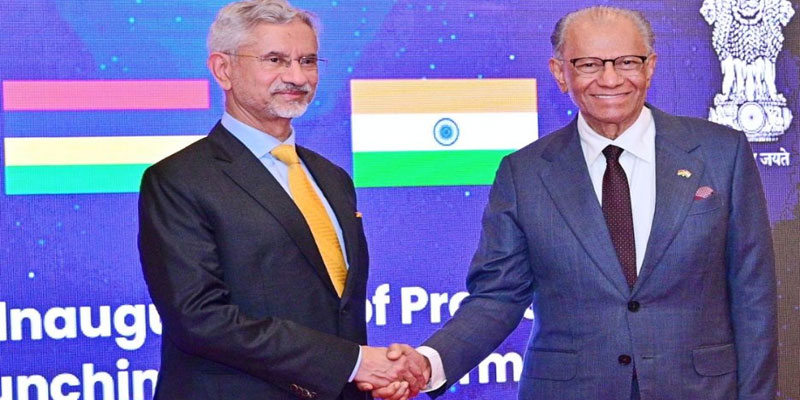
India is considering a government-to-government (G2G) agreement to supply oil and gas to Mauritius, while also reviewing a similar request from Seychelles. The move, confirmed by MEA spokesperson Randhir Jaiswal, reflects New Delhi’s broader effort to support its neighbors amid a deepening global energy crisis.
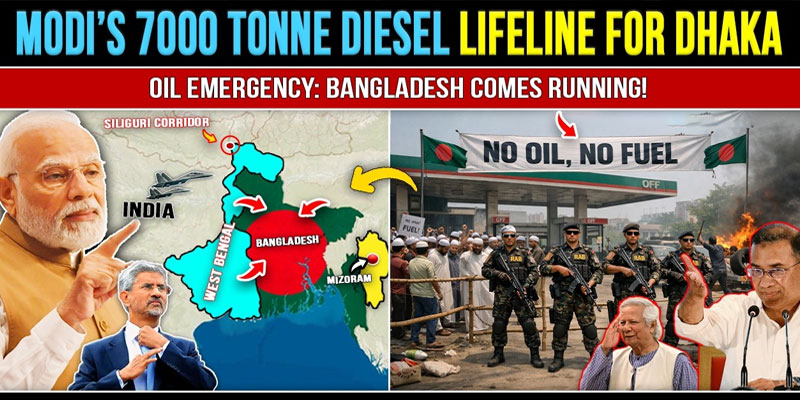
This initiative comes at a time when India has already been supplying fuel to countries like Sri Lanka, Bangladesh, Nepal, and Bhutan, reinforcing its role as a regional stabilizer.
The Trigger: Crisis in the Strait of Hormuz
The urgency behind these decisions lies in the escalating tensions in West Asia. Following U.S. strikes on Iran earlier in 2026, Tehran responded by threatening and partially blocking the Strait of Hormuz—a critical route through which nearly 40% of India’s crude imports pass.
The disruption sent global oil prices soaring by nearly 30%, with shipping traffic dropping sharply. For energy-dependent economies across Asia and the Indian Ocean region, the impact has been immediate and severe. India, heavily reliant on imported crude, has had to act swiftly to secure supplies and prevent domestic disruptions.
India’s ‘Energy Bridge’ Strategy
India’s response has been both defensive and outward-looking. On the domestic front, it has leveraged its strategic petroleum reserves and diversified import sources, including increased procurement from Russia. Internationally, it is building what can be described as an “energy bridge” for neighboring countries.
By supplying fuel through G2G agreements, India ensures that smaller economies—especially island nations like Mauritius and Seychelles—are not left vulnerable to global supply shocks. This approach also aligns with India’s SAGAR (Security and Growth for All in the Region) vision, which emphasizes stability and cooperation in the Indian Ocean Region.
Neighbourhood Policy in Action
These energy initiatives are a practical extension of India’s “Neighbourhood First” policy. Rather than limiting engagement to diplomacy and trade, New Delhi is positioning itself as a first responder in times of crisis.
Recent fuel shipments to Sri Lanka, continued support to Bangladesh, and assistance to Nepal and Bhutan demonstrate a consistent pattern. The outreach to Mauritius and Seychelles further expands this framework into the Indian Ocean, where strategic competition with global powers, particularly China, is intensifying.
Energy diplomacy thus becomes a tool not just for economic cooperation, but also for geopolitical influence—strengthening trust and long-term partnerships.
Balancing Leadership with Risks
While the strategy enhances India’s regional standing, it is not without risks. Drawing on strategic reserves could strain domestic energy security if the crisis prolongs. Additionally, deeper involvement in securing maritime routes—such as participation in multinational efforts to safeguard shipping lanes—could expose India to geopolitical tensions.
However, India has already demonstrated operational capability by escorting vessels through high-risk zones, reinforcing its image as a capable and responsible maritime power.
A Regional Anchor in Uncertain Times
India’s move to supply energy to Mauritius and Seychelles underscores its evolving role as a regional anchor in times of crisis. By combining resource management with proactive diplomacy, it is strengthening both its immediate neighborhood and its broader strategic influence.
If sustained, this approach could redefine India’s position in the Indian Ocean Region—not just as a major economy, but as a dependable partner capable of delivering stability when it matters most.
(With agency inputs)