Strategic Partners at a Crossroads
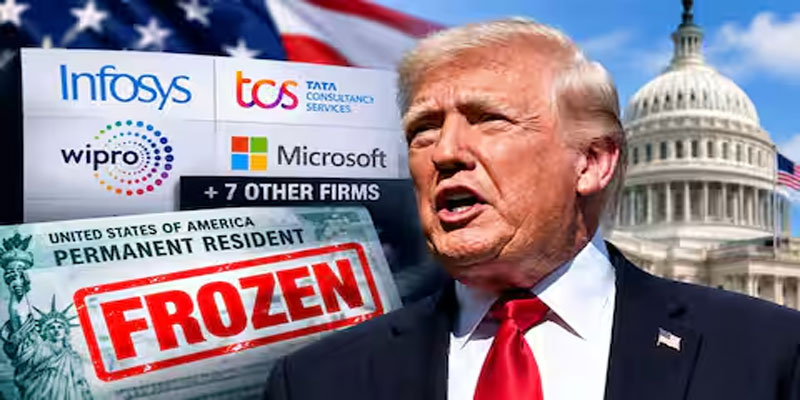
India and the European Union are racing to conclude a free trade agreement (FTA) before the end of this year. After years of stalled negotiations, talks were relaunched in 2022 and have since gathered momentum, driven by shifting global trade realities. For India, the urgency stems from strengthening partnerships amid U.S. tariff hikes and uncertainty over energy ties with Russia. For the EU, President Donald Trump’s tariff push has prompted Brussels to secure new alliances, sealing pacts with Mexico and Mercosur while accelerating discussions with India, Indonesia, and the UAE.
A successful FTA with the world’s fifth-largest economy would mark a major milestone, not only deepening economic ties but also drawing India closer to the West at a time of geopolitical turbulence.
Progress and Achievements
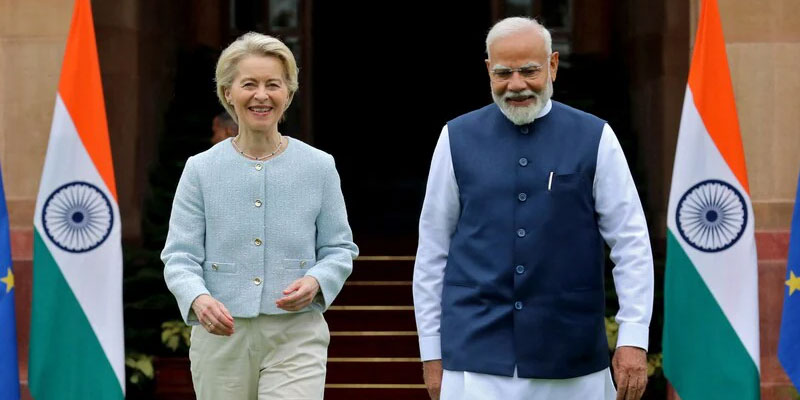
Negotiators have already finalized 11 of the 23 chapters under discussion, covering areas such as customs, digital trade, intellectual property rights, competition policy, subsidies, dispute settlement, and anti-fraud measures. Both sides view this as evidence of real progress, reflecting the political will displayed in recent exchanges between Prime Minister Narendra Modi and European Commission President Ursula von der Leyen.
An Indian government source said talks are “progressing well,” noting both leaders’ pledge to complete the agreement within 2025.
The Roadblocks: Agriculture and Market Access
Despite progress, major sticking points remain. India has flatly rejected EU demands for concessions on agriculture and dairy, citing the need to protect millions of small farmers. The EU, meanwhile, is pressing for wider access to India’s markets for automobiles, alcoholic beverages, and high-value goods.
Disagreements also persist over rules of origin, food safety standards, and labour and environmental obligations. Brussels has flagged India’s expanding quality control orders, which it sees as hidden non-tariff barriers restricting foreign entry. These issues remain among the toughest to resolve.
Russian Oil and Political Sensitivities
Beyond trade, geopolitics casts a long shadow. EU negotiators are wary of India’s continued purchases of discounted Russian oil, arguing that they weaken sanctions on Moscow. While unlikely to dominate the technical talks, the matter could influence the European Parliament’s approval of any final deal.
Similarly contentious is the EU’s carbon border adjustment mechanism (CBAM)—a levy on carbon-intensive imports such as steel and aluminium from 2026. Indian officials call it a disguised protectionist measure, while Brussels insists it is vital to its climate agenda. EU negotiators have signaled some flexibility for small and medium-sized businesses, but no final compromise has yet been found.
Intensifying Engagements
This week’s 13th round of negotiations in New Delhi has been billed as crucial. Senior EU leaders, including Trade Commissioner Maros Sefcovic and Agriculture Commissioner Christophe Hansen, are in the Indian capital for high-level meetings.
In parallel, the EU’s Political and Security Committee—comprising ambassadors of all 27 member states—will hold consultations with Indian officials, defence executives, and think tanks from September 10-14. The coming months promise a flurry of engagements: counter-terrorism talks in Brussels, a visit by the European Parliament’s Trade Committee in October, the Indo-Pacific Ministerial Forum in November, and the next meeting of the EU-India Trade and Technology Council (TTC) later this year.
The EU also plans to release a new strategic vision for India relations on September 17, with formal adoption expected at the annual summit scheduled in New Delhi early next year.
Why This Deal Matters
For India, securing preferential access to one of the world’s largest consumer markets could bolster exports in textiles, leather, chemicals, and digital services. For the EU, it offers diversification away from overdependence on China, aligning with its Indo-Pacific strategy.
At the same time, a deal would carry symbolic weight, demonstrating that New Delhi and Brussels can overcome longstanding differences and work toward common ground in trade, technology, and security.
A Narrow Window for Consensus
The clock is ticking for India and the EU to bridge their divides before the year-end deadline. Substantial progress has been made, yet agriculture, market access, and environmental standards remain formidable obstacles. Political sensitivities around Russian oil and carbon taxes could further complicate parliamentary approvals in Europe.
Still, both sides recognize that the costs of failure are high. For India, this is an opportunity to cement its place in the global trading system as a reliable partner. For the EU, it is a chance to forge a lasting relationship with a rising power in Asia.
The coming weeks will reveal whether pragmatism can overcome protectionism. If negotiators can strike a balance between market openness and domestic sensitivities, the India–EU FTA could emerge as one of the defining trade deals of the decade.
(With agency inputs)