Colombo is witnessing a surge of visitors as Indian and Pakistani cricket supporters arrive in large numbers for a high-profile T20 World Cup encounter. Hotels, airlines and local businesses are reporting record demand as fans converge on the Sri Lankan capital, transforming the sporting spectacle into a short-term tourism boom. The influx underscores how major cricket fixtures—especially involving the subcontinent’s fiercest rivals—can rapidly boost travel flows and foreign-exchange earnings for host nations.
The Magnetism of an India–Pakistan T20 World Cup Match
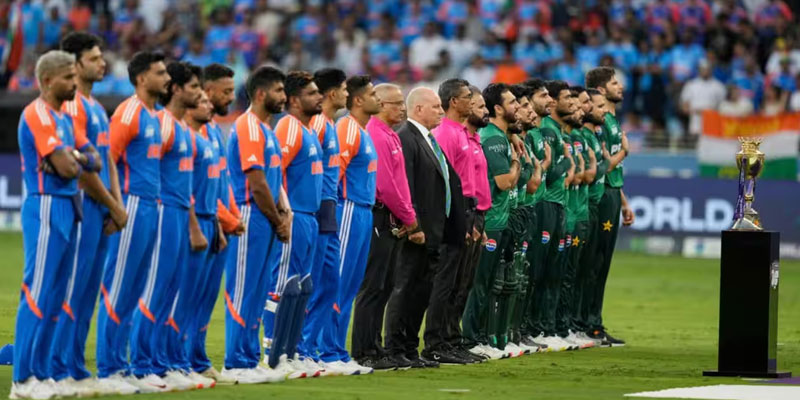
Few sporting contests carry the global pull of an India–Pakistan cricket match. Scheduled for February 15, 2026, at R. Premadasa Stadium, the group-stage clash in the ICC Men's T20 World Cup has generated extraordinary demand. The fixture serves as a rare neutral-venue meeting between the two sides, whose bilateral series remain suspended. For Sri Lanka, co-hosting the tournament offers an opportunity to leverage cricket’s popularity to revive tourism revenues after recent economic challenges.
The match has sold out, with thousands of supporters traveling from India and Pakistan. Airlines have added extra flights, hotels have raised room rates and local transport services are experiencing heavy bookings. Many fans are combining match attendance with sightseeing across Sri Lanka, extending the economic benefits beyond Colombo.
Surge in Demand and Immediate Economic Gains
Travel demand spiked almost instantly after tickets went on sale. Flights from major Indian cities to Colombo have seen steep fare increases, while hotel occupancy in the capital has reached near capacity. Restaurants, ride-hailing services and retail outlets are also reporting higher revenues as visitors spend on dining, transport and souvenirs.
The temporary suspension of Pakistan’s initial hesitation to participate further amplified demand. Diplomatic engagement and assurances from regional cricket authorities ensured that the match would proceed in Colombo, turning it into a focal point for regional sports tourism. The convergence of fans from both countries has generated an atmosphere reminiscent of major global sporting events, with local businesses benefiting from the influx.
Predicted Tourism Impact on Sri Lanka
Tourism analysts estimate that the match and associated travel could generate between $20 million and $35 million in direct and indirect economic activity. Revenue streams include ticket sales, accommodation, flights, dining and local transportation. A large portion of visitors are expected to extend their stay to explore beaches, heritage sites and hill-country attractions, amplifying the overall economic multiplier effect.
Sri Lanka’s tourism sector, a key source of foreign exchange, has been recovering after economic turmoil and natural-disaster setbacks in recent years. High-profile sporting events like the T20 World Cup are seen as catalysts for accelerating recovery, helping the country attract new visitors and reinforce its reputation as a safe and appealing destination. Officials hope the tournament will support a broader target of increasing annual arrivals and boosting foreign-currency reserves.
Broader Economic and Strategic Implications
Beyond immediate revenue, hosting an India–Pakistan match strengthens Sri Lanka’s position as a neutral venue for major cricket fixtures. This enhances its long-term prospects for sports tourism and international events. The spillover effects—higher employment in hospitality, increased transport demand and global media exposure—may extend well beyond the tournament.
However, authorities must manage logistical pressures such as traffic congestion, security arrangements and price inflation to ensure a positive visitor experience. Sustained benefits will depend on converting event-driven travel into repeat tourism.
Cricket as an Economic Catalyst
The India–Pakistan T20 World Cup clash has evolved into more than a sporting rivalry; it has become a significant economic opportunity for Sri Lanka. By attracting thousands of international visitors and stimulating spending across sectors, the match illustrates how sport can drive short-term revenue and long-term tourism growth. If managed effectively, the event could reinforce Sri Lanka’s recovery trajectory while showcasing the enduring power of cricket to unite fans—and boost economies—across the region.
(With agency inputs)