In its first official statement since the shocking car explosion outside Delhi’s iconic Red Fort metro station, the Government of India has declared the incident a “heinous terrorist attack” carried out by anti-national forces. The blast, which ripped through one of the capital’s busiest cultural and historical corridors on Monday evening, left at least 13 dead and dozens injured, sending shockwaves through the nation and beyond. As rescue operations gave way to investigation, the tragedy has reignited debates about urban security, radicalization, and global cooperation in combating terrorism.
The Blast That Shook Delhi
The explosion near the Red Fort metro station struck the heart of India’s heritage and the capital’s daily rhythm. Eyewitnesses described scenes of panic and confusion—bystanders rushing for cover, emergency personnel battling fires, and families desperately seeking missing loved ones. Amid smoke and shattered glass, Delhi’s vulnerability was laid bare.
Preliminary reports indicate the car was rigged with high-grade explosives, strategically placed to cause maximum disruption in a heavily surveilled zone. Investigators believe the attackers may have exploited security lapses and used encrypted communication networks—an alarming indicator of evolving terror tactics in India’s urban centers.
Government Response: “Zero Tolerance” in Action
Following an emergency Union Cabinet meeting chaired by Prime Minister Narendra Modi, the government labeled the blast a “terrorist incident perpetrated by anti-national forces” and reaffirmed its zero-tolerance policy toward terrorism. Home Minister Amit Shah emphasized that India “will not rest until every hand behind this act is brought to justice.”
The investigation, led by Delhi Police in collaboration with the National Investigation Agency (NIA), has already uncovered possible links between the explosion and recent arms seizures in Faridabad. Arrests include individuals from medical and professional backgrounds—an unsettling sign of how radical ideologies are penetrating unlikely circles. Forensic teams are reconstructing the vehicle, reviewing surveillance footage, and analyzing digital communication trails, as Delhi remains on high alert.
A World United: Global Outpouring of Support
The symbolic and human toll of the Red Fort blast drew swift condemnation from across the world. Leaders from the United States, United Kingdom, France, Sri Lanka, and Morocco issued statements of solidarity, calling the attack an assault on democracy itself. Foreign embassies in Delhi released advisories urging vigilance, while several nations offered intelligence and technical assistance.
This international response underscores a shared understanding: urban terrorism is no longer a local problem—it is a global menace. The need for cross-border intelligence sharing, modernized policing, and international coordination has never been clearer.
Marco Rubio’s Endorsement: A Vote of Confidence in India
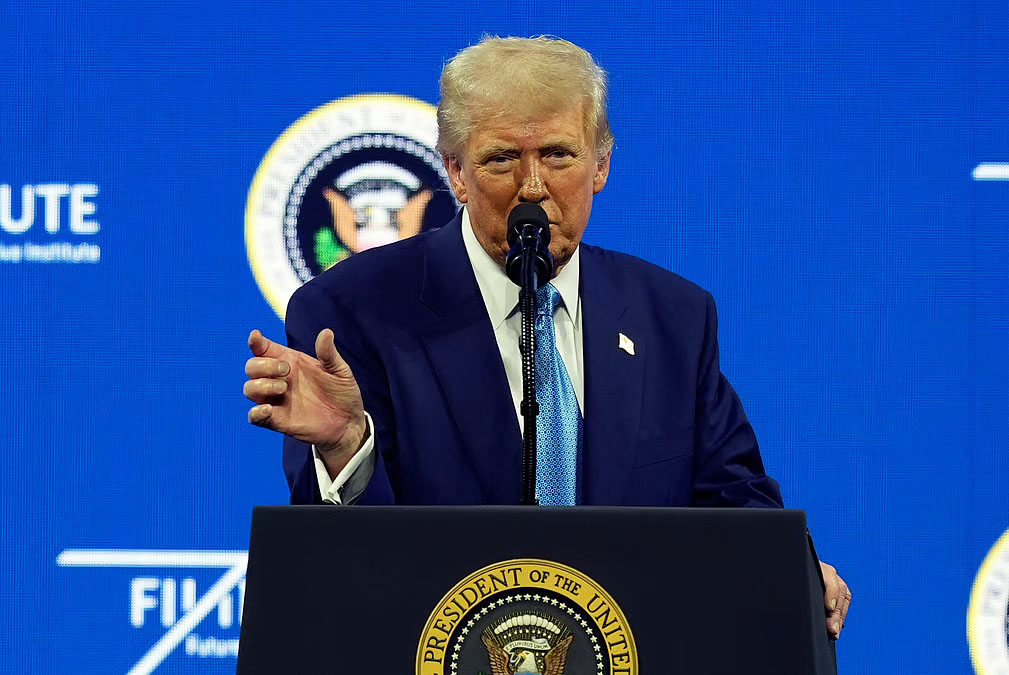
U.S. Senator Marco Rubio was among the first Western leaders to react, describing the Red Fort explosion as “clearly a terror attack.” He commended India’s rapid response and praised the professionalism of its security agencies, noting that India has “shown the world what resilience and competence look like under pressure.” Rubio’s remarks go beyond sympathy—they signal Washington’s continued commitment to working alongside New Delhi in global counterterrorism efforts.
His statement also strengthens India’s diplomatic standing, positioning it as a decisive and transparent actor in the global war on terror, and reinforcing the strategic bond between two of the world’s largest democracies.
Resilience, Reform, and the Road Ahead
The Red Fort explosion is both a tragedy and a turning point. India’s prompt and assertive response has sent a clear message—terrorism will find no refuge within its borders. The global solidarity, exemplified by Rubio’s endorsement and worldwide condemnations, highlights a collective resolve to confront violent extremism wherever it emerges.
As India advances its probe and fortifies urban security systems, the nation stands at a critical juncture—poised not only to deliver justice for the victims but also to set a new global benchmark in counterterrorism. In the face of darkness, Delhi’s determination has become a beacon of resilience—and a reminder that unity remains the world’s strongest defense against terror.
(With agency inputs)