Afghanistan-Pakistan Tensions Escalate
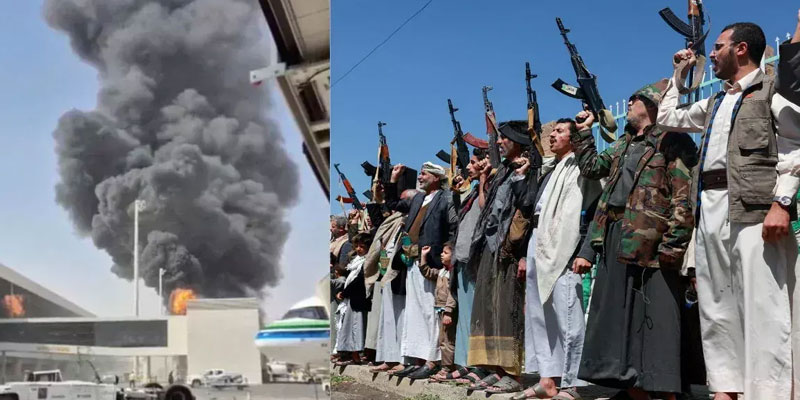
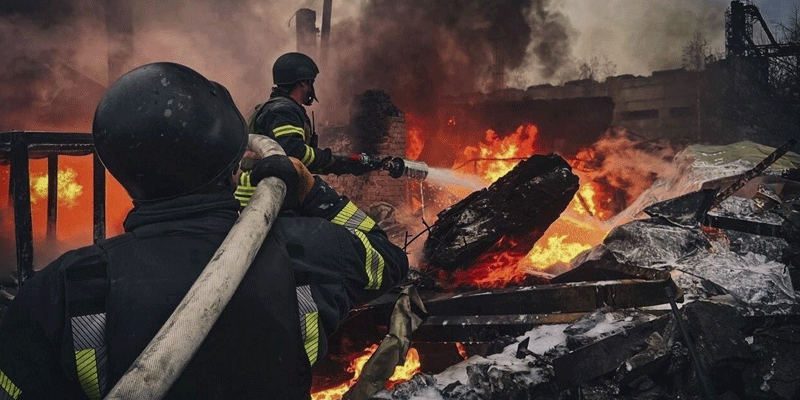
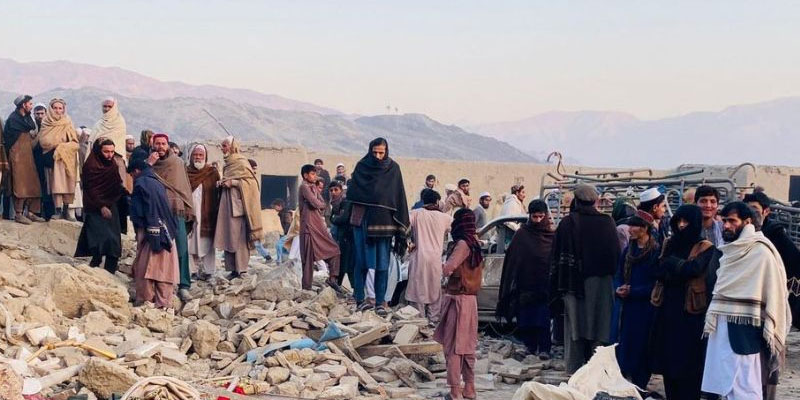
Security tensions between Afghanistan and Pakistan have entered a dangerous new phase after Afghanistan’s Defence Ministry claimed responsibility for overnight airstrikes targeting alleged ISIS-K militant hideouts inside Pakistani territory. The strikes, reportedly carried out in parts of Balochistan, Khyber Pakhtunkhwa and Orakzai, mark one of the most significant cross-border military actions in recent months. As both sides harden their positions, the conflict is increasingly affecting not only regional security but also economic ties, with cross-border trade now approaching a near standstill.
From Border Disputes to Military Escalation
Relations between Kabul and Islamabad have steadily deteriorated over the past year. The latest crisis can be traced to Pakistani airstrikes conducted in eastern Afghanistan in February 2026 against alleged bases of the Tehreek-e-Taliban Pakistan (TTP), a militant group that Islamabad accuses of carrying out attacks on its territory.
Those strikes triggered a sharp response from the Taliban-led government in Afghanistan, which viewed the operation as a violation of its sovereignty. Since then, both countries have exchanged accusations over support for militant groups operating along their shared border.
The situation has become increasingly volatile, with frequent clashes, military build-ups and inflammatory rhetoric raising fears of a broader conflict between the two neighbours.
Afghanistan’s Claimed Airstrike Operation
According to Afghanistan’s Defence Ministry, the latest operation targeted ISIS-K positions and militant infrastructure in several regions of Pakistan. Afghan authorities described the strikes as a “precise response” to threats originating beyond their borders and claimed that all pre-identified targets had been successfully hit.
The ministry also issued a warning that Afghanistan would continue to take action against perceived security threats, signalling a willingness to conduct further cross-border operations if necessary.
While Pakistani authorities have yet to fully endorse Kabul’s version of events, the claim itself reflects the increasingly confrontational nature of bilateral relations.
Escalating Rhetoric and Security Concerns
The military developments have been accompanied by increasingly aggressive statements from senior Taliban officials. Afghan Defence Minister Mullah Mohammad Yaqoob has previously warned that attacks on Afghanistan could provoke retaliation deep inside Pakistan.
Such statements have heightened concerns among regional observers, particularly given the hundreds of casualties reported in cross-border clashes over recent months. The fragile ceasefire announced in late 2025 now appears under severe strain, with little evidence of meaningful de-escalation.
Economic Fallout: Trade Nears Collapse
The worsening security environment has had profound economic consequences. Once valued at around $2 billion annually, Afghanistan-Pakistan trade has been severely disrupted by border closures, security restrictions and recurring confrontations.
Transport operators, traders, farmers and local businesses on both sides have been among the hardest hit. In several areas, commercial activity has slowed dramatically as uncertainty and logistical challenges continue to mount.
Pakistan’s decision to tighten restrictions on cross-border commerce has further deepened the economic strain, reflecting how security disputes are increasingly spilling over into trade relations.
Diplomatic Efforts Struggle to Gain Traction
Several regional powers, including Qatar, Turkey, Saudi Arabia, Iran and China, have explored mediation efforts. However, none has succeeded in producing a breakthrough, and diplomatic initiatives remain stalled.
A Conflict with Regional Consequences
The latest airstrikes underscore how rapidly Afghanistan-Pakistan relations have deteriorated into one of the region’s most serious security challenges. Beyond military exchanges, the conflict is undermining trade, disrupting livelihoods and increasing instability across South Asia. Unless both governments demonstrate a willingness to revive dialogue and address their security concerns through diplomacy, the risk of further escalation will remain high, with consequences extending well beyond their shared border.
(With agency inputs)