A Peace Plan Collides with Israel’s War Calculus
Israeli Prime Minister Benjamin Netanyahu’s rejection of US President Donald Trump’s 15-point Gaza peace framework has exposed a fundamental disagreement between Washington and Jerusalem over how the conflict should end. The proposal reportedly links Hamas’s disarmament to an Israeli military withdrawal, the transfer of Gaza’s administration to an independent Palestinian committee and deployment of an international security force. Hamas had endorsed the framework in late July, giving Washington hope that it could become a basis for de-escalation.
Netanyahu, however, has declared that Israel rejects the document in its present form, insisting that Israeli forces will not leave Gaza until Hamas is genuinely disarmed.
Why Netanyahu Refused the Framework
The central obstacle is security. Israel fears that withdrawing before independently verified disarmament could leave Hamas with underground tunnels, weapons, command networks and other military capabilities. From Jerusalem’s perspective, an agreement without enforceable safeguards could simply create another pause during which Hamas rebuilds.
Trust is equally critical. The two sides fundamentally disagree over what constitutes disarmament and how compliance would be established. Questions remain over who would inspect weapons, how concealed arsenals would be discovered and whether an international security force would actually have the authority to confront Hamas if it resisted. Netanyahu therefore appears unwilling to surrender military leverage in return for guarantees he considers uncertain.
Domestic politics further restrict his room for manoeuvre. Netanyahu’s right-wing coalition has consistently opposed arrangements that could leave Hamas with political influence or create momentum towards Palestinian statehood. His declaration that no Palestinian state will emerge while he remains prime minister places him at odds with wider diplomatic expectations surrounding Gaza’s future.
The Political Price of Saying Yes
Accepting Trump’s proposal could also threaten Netanyahu’s governing coalition. Hard-line partners could withdraw support if they believe Israel is conceding a military withdrawal without Hamas’s complete capitulation. His rejection is therefore not simply a strategic decision; it is also a calculation about political survival.
The decision demonstrates how difficult it is for even Washington to reshape Israel’s fundamental war objectives.
A New Strain in the US-Israel Relationship
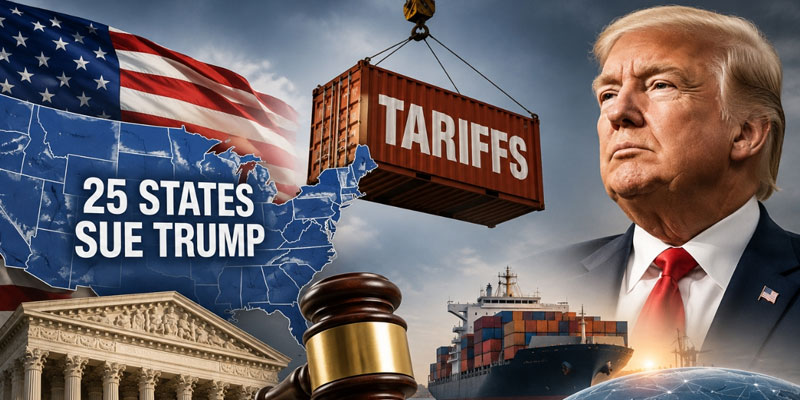
The disagreement is particularly significant because Trump has presented the initiative as a potential diplomatic breakthrough. Netanyahu’s public rejection weakens the perception of a unified American-Israeli strategy and demonstrates that Washington’s influence has limits when Israeli security calculations are involved.
It could also complicate negotiations with Hamas and regional mediators. If Hamas concludes that disarmament will not reliably produce an Israeli withdrawal, it may have little incentive to surrender its remaining bargaining power.
What Comes Next for Gaza?
The immediate future is more likely to involve renewed diplomacy than an outright collapse of the initiative. Washington could seek revised sequencing, stronger verification mechanisms or a phased arrangement linking limited Israeli withdrawals to independently confirmed dismantling of Hamas’s military infrastructure.
Three possibilities stand out: renewed negotiations, a prolonged military stalemate or mounting American, Israeli and regional pressure on Netanyahu to compromise.
The Core Deadlock Remains
Ultimately, Trump’s proposal has exposed rather than resolved Gaza’s deepest dilemma. Israel demands credible security and disarmament before withdrawal; Hamas is unlikely to surrender its leverage without a credible guarantee of Israeli withdrawal. Until an enforceable mechanism bridges that divide, even an ambitious peace plan risks remaining politically compelling—but operationally impossible.
(With agency inputs)