An Unprecedented Meeting Amid Nuclear Tensions and Geopolitical Rivalries
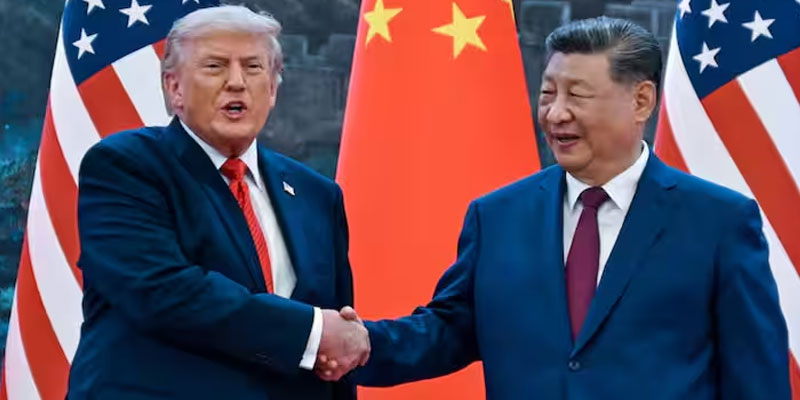
Chinese President Xi Jinping, US President Donald Trump and Russian President Vladimir Putin are expected to hold an unprecedented trilateral meeting in Shenzhen on November 19, on the sidelines of the 33rd Asia-Pacific Economic Cooperation (APEC) Economic Leaders' Meeting. The proposed gathering could mark the first time the leaders of the three major powers meet in a trilateral format, potentially opening a new chapter in global diplomacy. However, the meeting is also generating concerns that major powers could attempt to shape international security arrangements without consulting smaller nations directly affected by their decisions.
APEC Summit Provides the Diplomatic Platform
China is hosting the 33rd APEC Economic Leaders' Meeting on November 18–19, bringing together leaders of the 21-member economic grouping. The proposed trilateral engagement adds a significant geopolitical dimension to an event primarily focused on regional economic cooperation.
The discussions are expected to cover several critical international issues:
· Nuclear arms reduction and the future of global arms control.
· Ongoing conflicts, particularly the Russia–Ukraine war.
· Artificial intelligence and its implications for international security.
· Strategic stability and the evolving global balance of power.
The proposed meeting's agenda and precise format remain important uncertainties.
Nuclear Arms Control Emerges as a Major Concern
One of the most consequential issues is the future of nuclear arms control following the expiry of the New START treaty between Washington and Moscow in February 2026.
The agreement, the last major bilateral nuclear arms control treaty between the two countries, imposed legally binding limits on their strategic nuclear arsenals. Its expiry has removed an important restraint on the world's two largest nuclear powers.
Washington may seek to revive discussions on nuclear reductions, potentially encouraging China's participation. However, Beijing has traditionally resisted trilateral arms-control arrangements, arguing that its nuclear arsenal remains considerably smaller than those of the US and Russia.
Discussions could also explore safeguards governing the use of artificial intelligence in nuclear weapons systems, particularly the role of human decision-making in nuclear command and control.
Three Leaders, Three Different Strategic Agendas
Despite their shared participation, the three leaders have different priorities.
· Donald Trump: Could pursue nuclear disarmament discussions and broader negotiations concerning international conflicts.
· Vladimir Putin: Is likely to seek greater attention to the Ukraine war and Russia's strategic interests.
· Xi Jinping: Will seek to protect China's international standing while avoiding commitments that constrain its nuclear ambitions or diplomatic flexibility.
These differences could make substantive agreements difficult.
The 'Yalta 2.0' Fear and Smaller Nations
The proposed meeting has revived comparisons with the 1945 Yalta Conference, where US President Franklin D. Roosevelt, British Prime Minister Winston Churchill and Soviet leader Joseph Stalin discussed the post-war international order.
Ukraine and Taiwan are particularly sensitive to the possibility of major-power understandings affecting their sovereignty or security without their participation. Ukrainian President Volodymyr Zelenskyy has warned against a new Yalta-style arrangement.
A New Global Order Must Not Exclude Smaller Nations
Ultimately, the meeting's significance will depend on whether it advances credible arms-control negotiations and international stability without creating informal spheres of influence. Cooperation among Washington, Moscow and Beijing could benefit the world, but decisions affecting other nations must respect their sovereignty and participation. The real test will be whether these three powerful leaders can demonstrate responsible global leadership rather than reinforce the perception that international security is determined exclusively by major powers.
(With agency inputs)