Evacuation Alert Amid Rising Tensions
Indian nationals in Iran have been urged to leave immediately as geopolitical tensions intensify. On February 23, 2026, the Embassy of India in Tehran issued an advisory to nearly 9,000 citizens—students, pilgrims, port workers, and professionals—citing an “evolving situation” marked by protests and escalating U.S.–Iran brinkmanship. Evacuation routes via commercial flights, Armenia land crossings, and UAE ferries were recommended, with nationals asked to keep travel documents ready and register with the embassy.
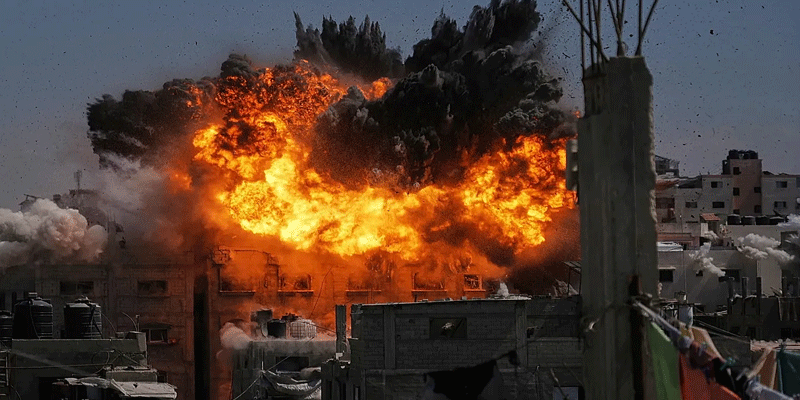
The move comes as diplomatic negotiations between Washington and Tehran reach a volatile inflection point, raising fears of military escalation in the Gulf.
Diplomatic Brinkmanship and Nuclear Red Lines
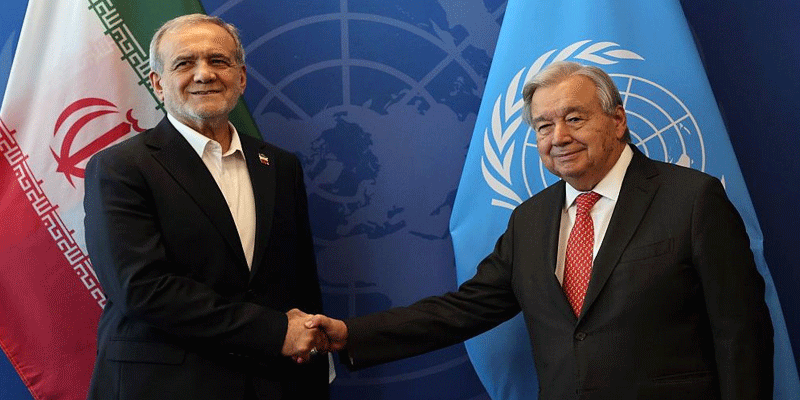
The current crisis centers on renewed negotiations over Iran’s nuclear program. Iranian President Masoud Pezeshkian has described recent talks as yielding “encouraging signals,” with Foreign Minister Abbas Araghchi preparing a counterproposal within 72 hours. Oman is facilitating dialogue in Geneva.
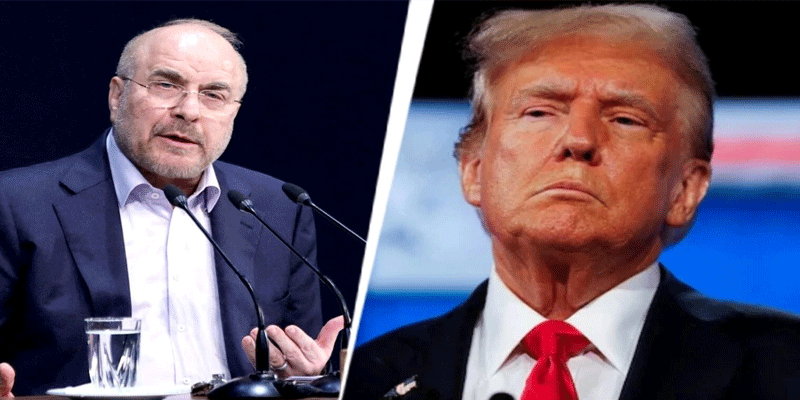
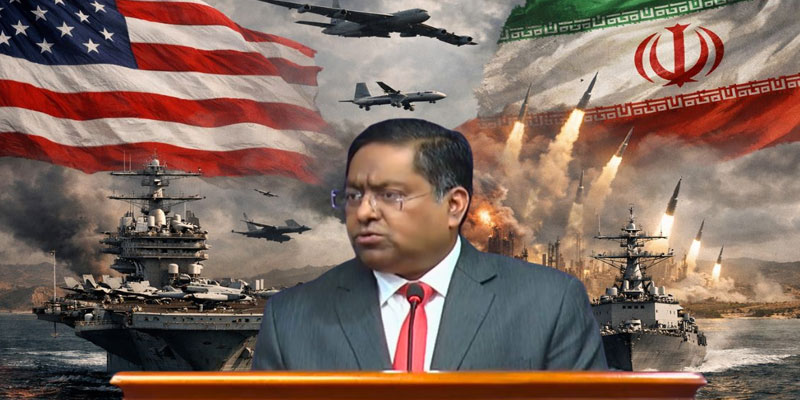
However, U.S. President Donald Trump has reportedly pressed for a “zero enrichment” standard, warning of potential strikes if no agreement emerges within a 10-day window. Tehran, in turn, has warned through the UN of “strong retaliation” against any aggression.
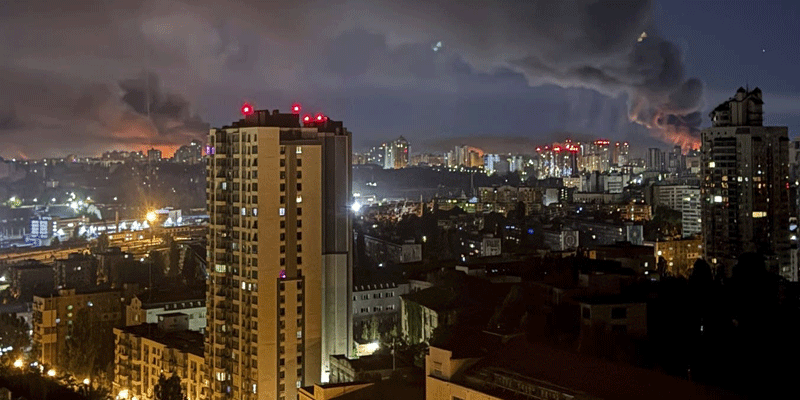
Military signaling has intensified. The USS Gerald R. Ford and USS Abraham Lincoln carrier strike groups have deployed simultaneously to the region—an unusual show of force. Meanwhile, Iran’s Revolutionary Guard has conducted drills near the Strait of Hormuz, briefly disrupting maritime traffic. Israel has accelerated contingency preparations, citing concerns over stalled negotiations.
Flashpoints and Strategic Calculus
The Strait of Hormuz remains the critical chokepoint, handling roughly 20% of global oil flows. Any sustained disruption could push crude prices toward $120 per barrel, reviving global inflation pressures. Iran’s enrichment posture tests U.S. red lines following the collapse of the 2015 nuclear framework, and miscalculation could trigger targeted strikes on facilities such as Natanz or Fordow.
For India, the stakes are immediate. Approximately 10% of its oil imports are linked directly or indirectly to Iran, while Bandar Abbas and Chabahar port operations remain strategically important. India’s calibrated neutrality—maintaining ties with both Washington and Tehran—now faces strain amid Quad dynamics and Gulf instability.
Potential Economic Impacts on India
India’s energy vulnerability amplifies the risks. With 88% crude import dependence and daily imports exceeding 5 million barrels, even a $10 per barrel rise could add ₹50,000 crore to the annual import bill. A full Hormuz disruption pushing oil beyond $120 per barrel could inflate costs by ₹2 lakh crore, widen the current account deficit toward 2.5% of GDP, and pressure the rupee toward ₹90 per dollar.
Inflationary spillover would be significant. Fuel price hikes of ₹10–20 per litre could cascade into food and transport costs, adding 200–300 basis points to retail inflation. The Reserve Bank of India may be compelled to tighten monetary policy, potentially shaving projected GDP growth from 7% to near 6.2%.
Trade disruptions add another layer. Although Iran accounts for less than 0.5% of India’s total trade, projects like Chabahar—key to the International North-South Transport Corridor—could stall amid sanctions. Payment channels may freeze, affecting agricultural exports and infrastructure investments.
India’s strategic petroleum reserves, covering roughly 64 days of consumption, offer a short-term buffer. Diversification toward Russia, Guyana, and Middle Eastern suppliers mitigates exposure but does not eliminate vulnerability to Hormuz volatility.
Balancing Diplomacy and Economic Prudence
India’s evacuation advisory underscores the seriousness of the moment. While diplomatic channels remain open, the convergence of military deployments and nuclear brinkmanship has elevated risks to levels unseen in years.
For New Delhi, the priority is twofold: safeguarding its diaspora and insulating its economy from oil and trade shocks. Strategic reserves, diversified sourcing, and backchannel diplomacy offer resilience—but sustained escalation could test these defenses.
Ultimately, containment through negotiation remains the least costly path. For India and the global economy alike, stability in the Gulf is not merely a geopolitical preference—it is an economic necessity.
(With agency inputs)