A Startling Claim: Nuclear Tests in the Shadows
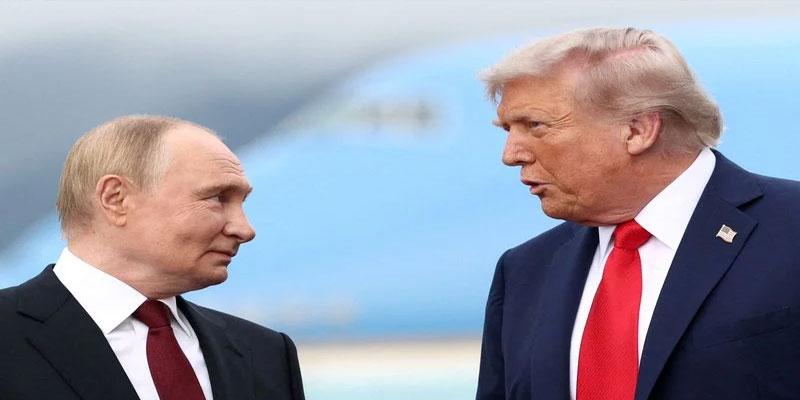
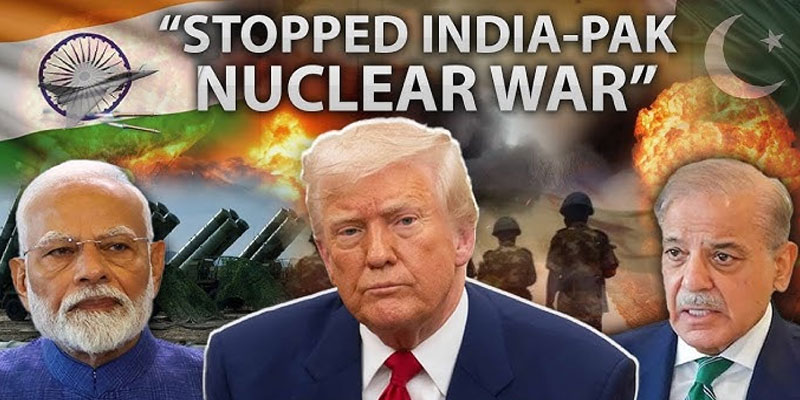
In a provocative statement that has reignited global nuclear anxieties, U.S. President Donald Trump claimed that Pakistan, China, Russia, and North Korea are covertly testing nuclear weapons, defying international norms and treaties.
Speaking during a CBS 60 Minutes interview in late 2025, Trump defended his administration’s decision to resume U.S. nuclear weapons testing after a 33-year moratorium, arguing that rival nations were already conducting underground tests hidden from international detection systems.
He framed the U.S. move as one of “transparency and preparedness,” contrasting it with what he described as the “secretive testing” of America’s adversaries. The president’s comments have since stirred global debate over the integrity of the nuclear non-proliferation regime and the potential onset of a new arms race.
Underground Tremors: Pakistan and China Under the Lens
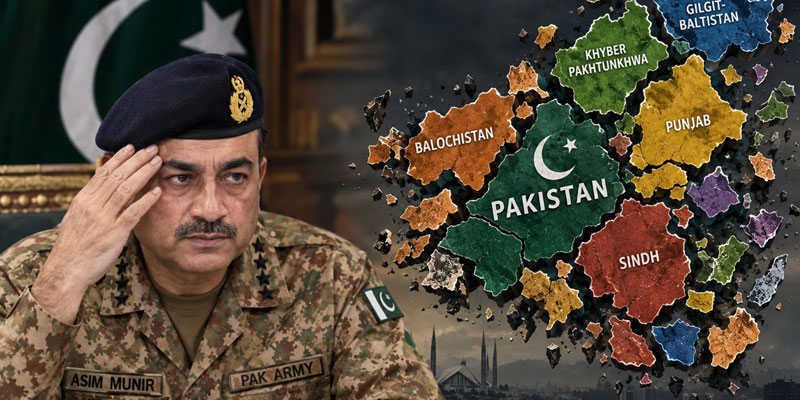
Trump specifically accused Pakistan and China of conducting undisclosed subterranean tests, suggesting that these activities produce seismic vibrations resembling earthquakes—making them difficult to confirm or trace.
These claims, while unverified, align with long-standing U.S. intelligence suspicions of covert nuclear modernization programs among several nuclear-armed states.
For India, the implications are serious. Sharing borders with both China and Pakistan—its traditional rivals and nuclear neighbors—the possibility of hidden nuclear advancements raises alarm over regional stability. Analysts warn that such clandestine testing, if true, could tilt the strategic balance in South Asia, compelling New Delhi to reassess its deterrence posture.
A Shifting Nuclear Landscape: Regional and Global Fallout
Trump’s comments come amid a period of heightened geopolitical friction across South Asia and East Asia.
· China has been expanding its nuclear infrastructure, modernizing its Lop Nor test sites, and developing next-generation strategic missiles.
· Pakistan, meanwhile, continues to refine tactical nuclear weapons, aiming to maintain parity with India amid border and proxy tensions.
· Russia’s withdrawal from the Comprehensive Nuclear-Test-Ban Treaty (CTBT) in 2025 and subsequent reported tests have further eroded global arms control frameworks.
These parallel developments collectively signal a potential unraveling of the post-Cold War nuclear order, as major powers drift toward renewed strategic competition rather than cooperation.
America’s Return to Testing: Strategic Justification or Provocation?
Trump justified his decision to resume U.S. nuclear testing as a matter of national security and technological parity. He argued that the 33-year moratorium had constrained the U.S. while allowing rivals to covertly advance their arsenals. “We live in an open society,” he said. “We talk about our plans, while others act in the shadows. We need to prepare ourselves.”
However, this move has drawn criticism from arms control advocates, who warn that resuming nuclear tests could undermine decades of non-proliferation progress and spark a new arms race involving established and emerging nuclear powers. The technical difficulty in detecting underground tests only deepens mistrust and hampers verification mechanisms that underpin global stability.
India’s Strategic Dilemma: Between Two Nuclear Fronts
For India, Trump’s assertions highlight a dual-front security challenge. Facing China’s strategic expansion in the north and Pakistan’s tactical developments in the west, New Delhi must navigate a precarious balance—strengthening deterrence while avoiding escalation.
Analysts suggest India may need to enhance surveillance systems, modernize its nuclear triad, and pursue diplomatic channels to prevent miscalculations in a rapidly evolving regional nuclear environment.
A Fragile Future for Global Non-Proliferation
President Trump’s allegations have rekindled concerns over the erosion of global nuclear norms and the dangers of renewed competition among major powers. Whether substantiated or not, the claims underscore the fragility of existing non-proliferation frameworks and the limits of transparency in a multipolar world.
For India and the broader Indo-Pacific, the specter of clandestine nuclear testing intensifies the urgency of strategic modernization, diplomacy, and restraint. As mistrust deepens and verification falters, the world stands at a crossroads—between reviving arms control cooperation or descending into a new nuclear age defined by secrecy and suspicion.
(With agency inputs)