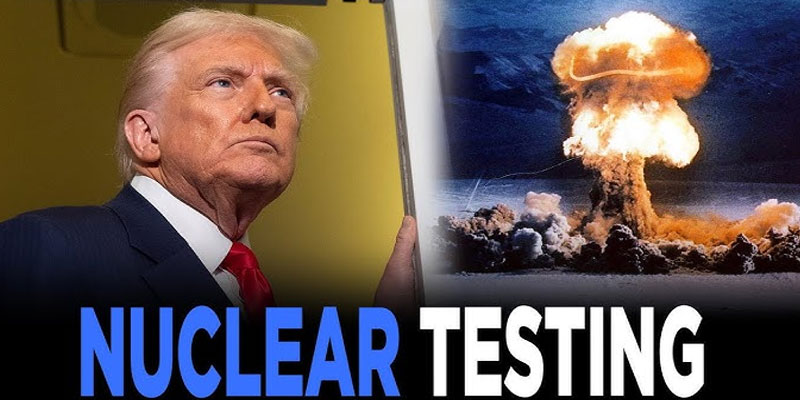
Between 1945 and 1992, the United States conducted 1,054 nuclear tests, the majority in Nevada, before halting them amid rising environmental concerns and reduced Cold War tensions.
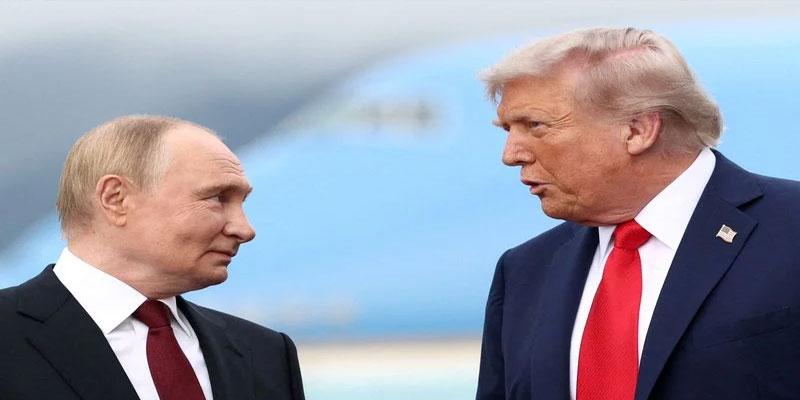
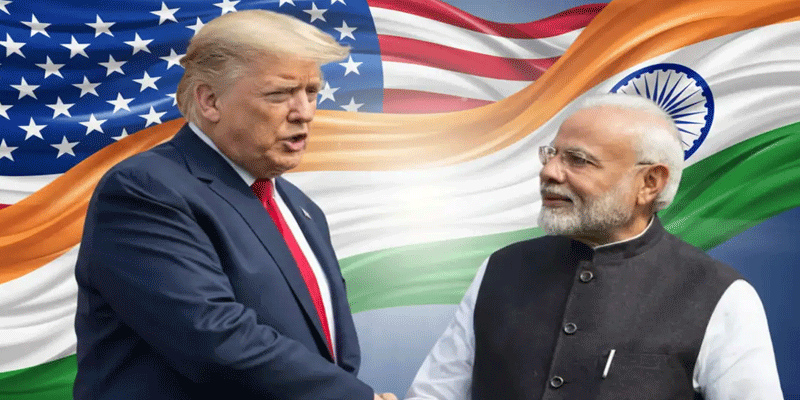
US President Donald Trump on Friday reiterated that the United States will resume nuclear testing, following his announcement earlier in the week directing the Pentagon to restart such tests. Speaking to reporters on Air Force One, Trump gave a guarded response when asked if this would include the traditional underground tests conducted during the Cold War.
"You'll find out very soon. But we're going to do some testing, yeah," Trump said on Air Force One. “Other countries do it. If they’re going to do it, we’re going to do it. I’m not going to say here.”
On Wednesday, Trump instructed the Pentagon to begin nuclear weapons tests to match China and Russia. “The United States has more Nuclear Weapons than any other country,” he wrote in a Truth Social post. “This was accomplished, including a complete update and renovation of existing weapons, during my First Term in office. Because of the tremendous destructive power, I HATED to do it, but had no choice! Russia is second, and China is a distant third, but will be even within 5 years."
The announcement came shortly before his scheduled meeting with Chinese President Xi Jinping in South Korea to discuss trade.
Currently, North Korea is the only country that has conducted full nuclear tests since the 1990s. Russia has tested weapons capable of carrying nuclear warheads but has not detonated nuclear devices. North Korean leader Kim Jong Un has continued missile testing, including those capable of carrying nuclear warheads, as recently as this week.
Why the United States ended nuclear testing
Between 1945 and 1992, the United States carried out 1,054 nuclear tests, most of them in Nevada, before stopping due to increasing environmental concerns and the easing of Cold War tensions.
In the 1950s, above ground nuclear tests heightened hostilities with the Soviet Union. In 1958, President Eisenhower halted testing in the expectation that the Soviet Union would do the same, according to Axios.
When the Soviets resumed testing in 1961, the United States followed. In 1963, the United States, the United Kingdom and the Soviet Union signed the Partial Nuclear Test Ban Treaty, ending testing in the atmosphere, underwater and in outer space. This was influenced by environmental concerns and the aftermath of the Cuban Missile Crisis.
The Threshold Test Ban Treaty of 1974 restricted underground tests to yields below 150 kilotons. In 1992, the United States Congress passed a resolution halting underground tests unless another country resumed them, creating the current moratorium. In 1997, President Clinton signed the Comprehensive Test Ban Treaty, but the Senate declined to ratify it, citing national security concerns.
As of August 2025, 187 states have signed the Comprehensive Test Ban Treaty, and 178 have ratified it.