Global Energy Pressure: US Sanctions and India’s Dilemma
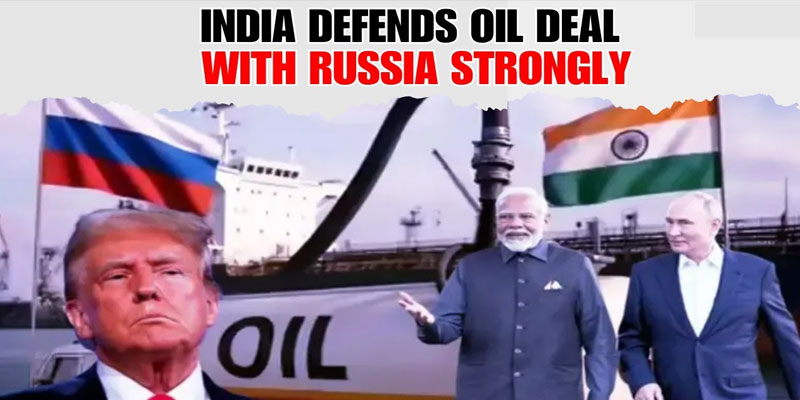
Indian Oil Corporation (IOC) has resumed purchases of Russian crude oil for December delivery, sourced exclusively from non-sanctioned Russian entities. This move comes after fresh US sanctions on Rosneft and Lukoil aimed at curbing Moscow’s funding for its war in Ukraine.
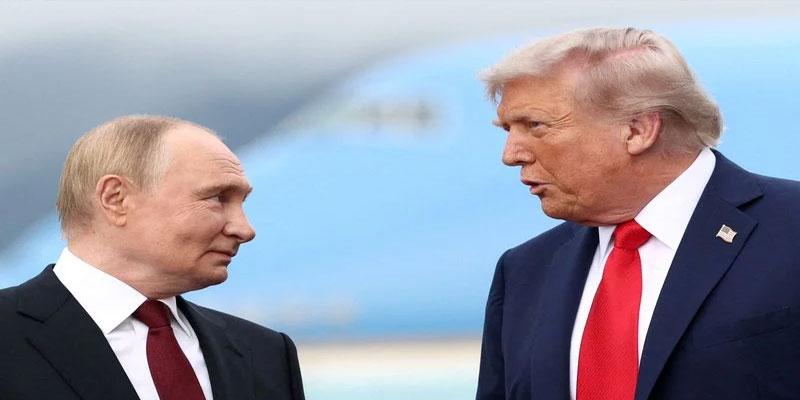
Washington’s sanctions expand its “maximum pressure” campaign, threatening secondary penalties on any foreign entity trading with Russia’s top oil producers. For India, a nation heavily reliant on crude imports, this creates a delicate balancing act between ensuring energy security and managing diplomatic relations with the United States.
India-Russia Oil Trade: Growing Reliance
Before these sanctions, India had emerged as the largest buyer of Russian seaborne crude, importing roughly 1.7 million barrels per day in the first nine months of 2025—accounting for about 40% of Russia’s total exports.
The combination of deep discounts on Russian crude—driven by sanctions and reduced demand from China and Europe—made it highly attractive for Indian refiners, including Reliance Industries, Mangalore Refinery, and HPCL-Mittal Energy. These purchases helped offset rising domestic demand and high Middle Eastern oil prices.
However, initial sanctions forced Indian refiners to pause or cancel purchases from Rosneft and Lukoil to remain compliant with international regulations.
Licensing Strategy and Recent Procurement
IOC navigated this complex landscape by securing licenses to purchase crude from non-sanctioned Russian entities, ensuring compliance with US secondary sanctions.
· Recent Purchases: Five cargoes of approximately 3.5 million barrels of ESPO crude were acquired at Dubai-comparable prices, set to arrive in December at eastern ports.
· Regulatory Compliance: These purchases deliberately excluded cargoes linked to Rosneft or Lukoil subsidiaries.
· Pragmatic Approach: IOC’s head of finance, Anuj Jain, confirmed that the company will continue acquiring Russian crude under sanctioned-compliant arrangements, balancing supply resilience with geopolitical realities.
Strategic and Economic Significance for India
· Energy Security: India imports 85% of its crude oil and is the third-largest global consumer. Russian oil provides a reliable, discounted alternative amid Middle East supply volatility.
· Price Advantage & Refinery Utilization: Discounted Russian crude supports profitable refinery operations, sustaining fuel and petrochemical supply chains critical to the economy.
· Geostrategic Autonomy: India’s calibrated approach underscores strategic independence, maintaining relations with both the US and Russia while safeguarding domestic interests.
· Trade and Diplomacy: Compliance with sanction guidelines also aids India’s broader trade negotiations with the US, potentially easing tariff pressures and fostering bilateral dialogue.
Challenges and Uncertainties
· Secondary Sanctions Risk: The US could expand sanctions to include indirect transactions, increasing compliance complexity.
· Supply Chain Realignment: Indian refiners are exploring alternative crude sources, including US and Middle Eastern imports, alongside boosting domestic production.
· Market Volatility: Escalations in Ukraine or policy shifts in Washington could disrupt access to Russian oil and affect pricing dynamics.
Pragmatic Energy Diplomacy
India’s resumption of Russian crude imports from non-sanctioned entities highlights a strategy of pragmatism in turbulent geopolitics. By balancing energy needs with international pressure, India is ensuring fuel supply continuity and economic stability while maintaining diplomatic flexibility.
In a world of shifting alliances and complex sanctions regimes, this approach underscores New Delhi’s ability to navigate global energy markets strategically, securing both its domestic energy requirements and its foreign policy autonomy.
(With agency inputs)