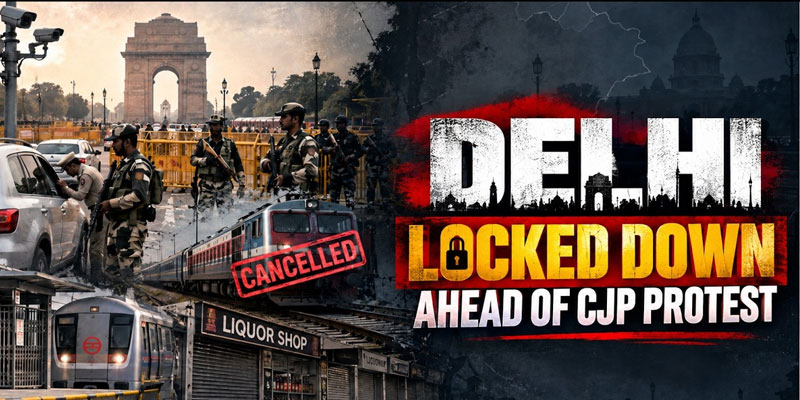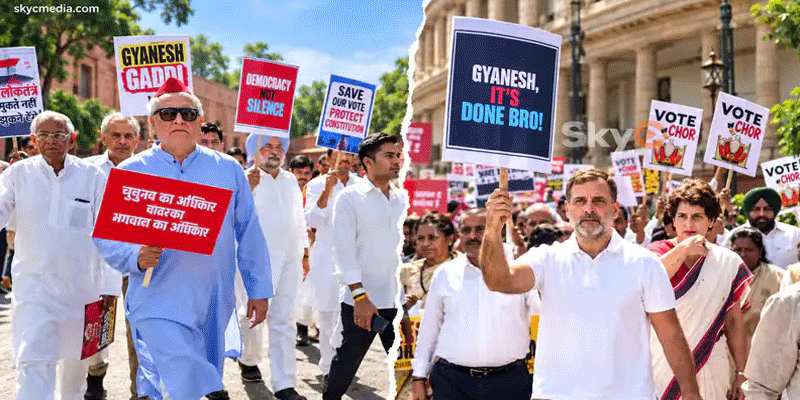
The INDIA opposition bloc has taken its allegations of electoral manipulation directly to President Droupadi Murmu, intensifying its confrontation with the Election Commission of India (ECI). The delegation’s meeting at Rashtrapati Bhavan and submission of a memorandum mark a fresh effort to secure institutional intervention over alleged voter deletions, the conduct of elections and the independence of constitutional bodies. The controversy has further sharpened the political debate over electoral transparency and public confidence in India’s democratic process.
Opposition Takes Its Battle to Rashtrapati Bhavan
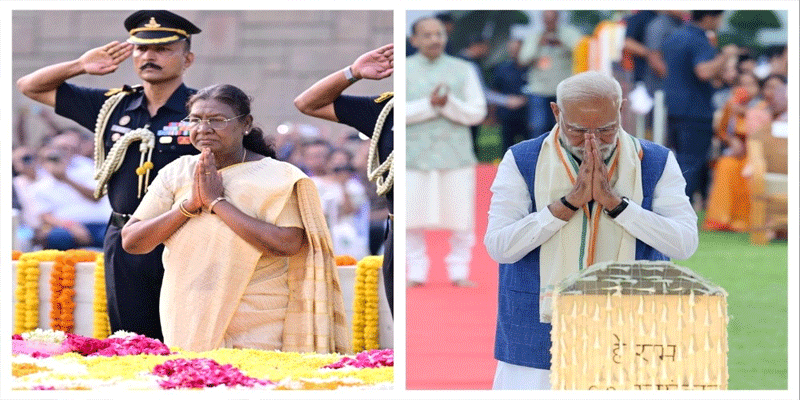
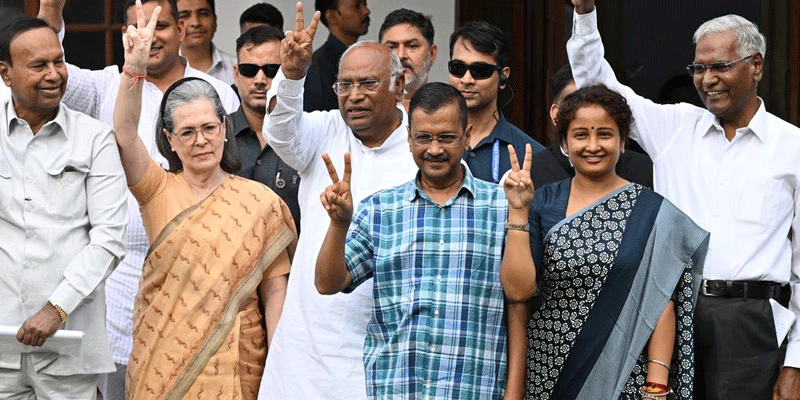
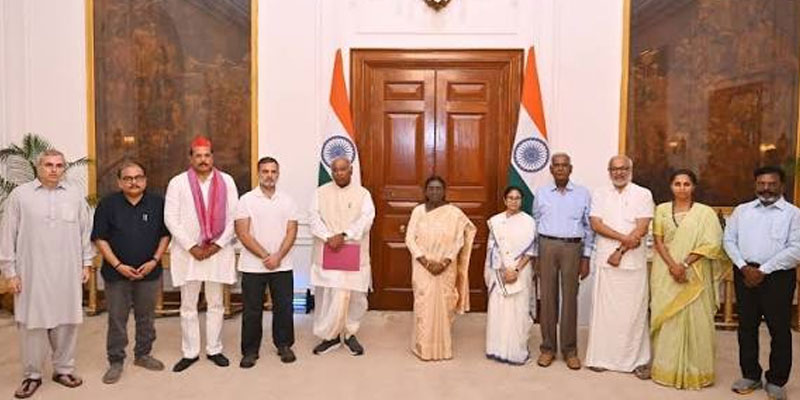
A 10-member INDIA bloc delegation, led by Congress president Mallikarjun Kharge and Leader of the Opposition in the Lok Sabha Rahul Gandhi, met President Murmu on Friday. The delegation included Trinamool Congress chief Mamata Banerjee and representatives of other opposition parties.
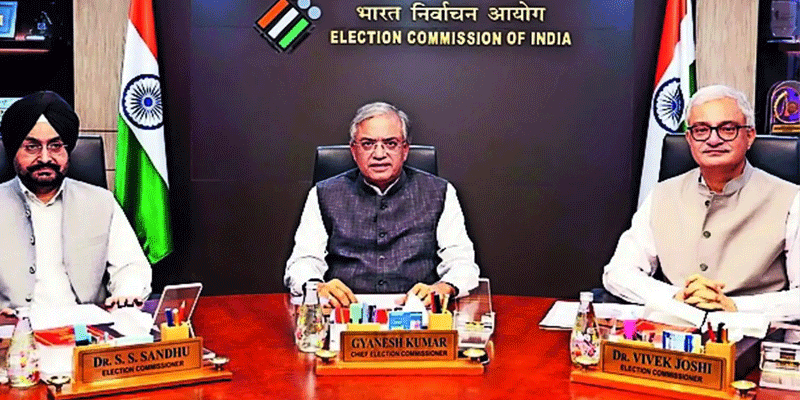
The meeting escalated the opposition’s campaign against Chief Election Commissioner Gyanesh Kumar and the Election Commission’s Special Intensive Revision (SIR) of electoral rolls. Rahul Gandhi has repeatedly used the term “vote chori” to describe alleged irregularities, including voter deletions and concerns about electoral procedures.
The memorandum accuses Prime Minister Narendra Modi, Union Home Minister Amit Shah and the Chief Election Commissioner of conspiring to weaken democratic institutions. These remain political allegations and have not, by themselves, established wrongdoing.
Six Key Demands in the Opposition’s Memorandum
The INDIA bloc outlined a series of demands aimed at changing electoral procedures and securing accountability.
· CEC’s resignation: Immediate resignation of Gyanesh Kumar over alleged electoral irregularities.
· Repeal of immunity provisions: Withdrawal of the 2023 law that the opposition says protects election commissioners from legal accountability.
· Suspension of SIR: Immediate halt to the Special Intensive Revision of electoral rolls.
· Restoration of voters: Reinstatement of 13.30 crore voters whom the opposition alleges were unlawfully deleted.
· Return to paper ballots: Replacement of electronic voting machines (EVMs) with paper ballots in future elections.
· Review of recent elections: Reconsideration of Assembly elections held over the previous two years where the bloc claims conclusive evidence of electoral manipulation exists.
The scale of these demands makes the memorandum more than a protest against one official: it challenges the existing electoral framework and seeks broader institutional changes.
President Seeks Substantive Evidence
Rahul Gandhi said President Murmu listened to the delegation and asked it to submit formal, substantive evidence supporting its allegations of “election chori”. The opposition indicated that it would compile additional data and present its case.
Gandhi expressed surprise at the President’s response, while subsequent reports disputed his characterisation of the exchange. The precise significance of the meeting therefore remains contested.
The bloc has also announced plans to approach the Chief Justice of India with a memorandum, signalling that it intends to pursue the matter through multiple constitutional channels.
Critics Question Evidence Behind Sweeping Demands
The memorandum has intensified debate over electoral accountability, with competing political interpretations of the opposition’s campaign.
· The opposition’s argument: INDIA bloc leaders contend that alleged voter deletions and shortcomings in electoral procedures threaten the right to vote. They argue that transparent processes and stronger safeguards are essential to restoring public trust.
· The government and Election Commission: The central issue remains whether the allegations can be substantiated with verifiable evidence. Claims of unlawful deletions or manipulated results require examination against electoral records, established procedures and applicable law.
· Institutional concerns: Critics argue that demands such as replacing EVMs nationwide or reconsidering multiple Assembly elections require compelling evidence and legally sustainable grounds, rather than political allegations alone.
The controversy also highlights the delicate balance between the Election Commission’s constitutional independence, the President’s role as head of state and the judiciary’s responsibility in adjudicating legal disputes.
Evidence Will Determine the Next Chapter
The INDIA bloc’s meeting with President Murmu has raised the political stakes surrounding electoral-roll revision and allegations of vote manipulation. Yet, a memorandum and political assertions cannot independently establish electoral wrongdoing.
The decisive test will be whether the opposition produces credible, verifiable evidence capable of triggering scrutiny and corrective action through the appropriate institutions. Equally, electoral authorities must ensure that voter-roll revisions are transparent, errors can be challenged effectively and eligible voters are not unfairly excluded.
Ultimately, the credibility of Indian democracy depends not merely on allegations or assurances, but on evidence-based accountability, impartial investigation and the public’s confidence that every eligible citizen’s vote counts.
(With agency inputs)