Operation Allies Welcome: A Humanitarian Bridge for At-Risk Afghans
Operation Allies Welcome (OAW) was launched in August 2021 by the U.S. Department of Homeland Security as the United States withdrew from Afghanistan and the Taliban regained control. Designed as an emergency humanitarian pathway, the program granted temporary two-year parole to tens of thousands of Afghans—interpreters, embassy workers, and individuals whose safety was jeopardized due to their association with U.S. missions. Between 76,000 and 90,000 Afghans were ultimately resettled across the United States.
Before arrival, each individual underwent biometric and biographic screening through multiple federal agencies, including the FBI, DHS, and the Department of Defense. Most evacuees were processed through U.S. military bases before being placed in communities. While OAW provided safety, it did not grant permanent legal status, requiring participants to pursue asylum or special immigrant visas to remain legally in the country.
The Attack Near the White House: What Happened
The terrorist attack near the White House has brought the OAW program under intense scrutiny. On November 26, 2025, two U.S. National Guard members were shot near the Farragut West Metro station in Washington, D.C. The FBI identified the suspect as Rahmanullah Lakanwal, a 29-year-old Afghan national who arrived in the U.S. via Operation Allies Welcome in 2021.
According to investigators, Lakanwal launched a targeted ambush, shooting one Guardsman in the chest and head before being wounded by a third officer who returned fire. He was taken into custody in critical condition. His family in Bellingham, Washington, where he had resettled, expressed disbelief at his alleged involvement.
Federal law enforcement confirmed that Lakanwal’s parole status expired in September 2025, leaving him undocumented at the time of the attack. This revelation has reignited political criticism—particularly from GOP lawmakers—regarding the vetting reliability of the OAW program.
Policy Shockwave: A Nationwide Freeze on Afghan Immigration
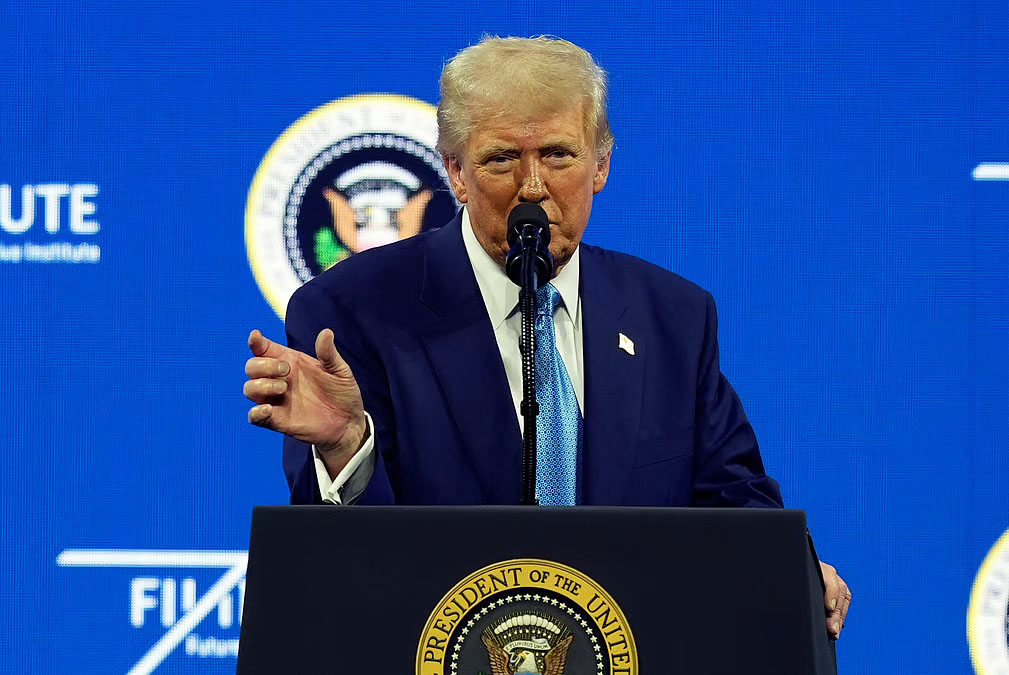
President Donald Trump formally classified the shooting as a terrorist attack and condemned it as a “heinous assault” and an “act of evil.” In an immediate and sweeping response, the U.S. Citizenship and Immigration Services (USCIS) issued an indefinite suspension of all immigration processing for Afghan nationals. This freeze affects visa petitions, asylum applications, and humanitarian pathways pending a comprehensive review of current security screening procedures.
The administration has also authorized heightened National Guard deployment in Washington, D.C., emphasizing a renewed focus on domestic security.
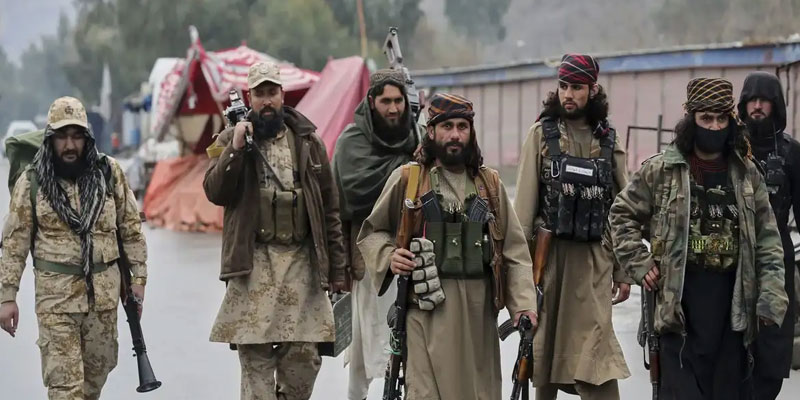
While officials argue that the temporary halt is essential to prevent further security threats, critics warn the move could trap vulnerable Afghans—many still fleeing Taliban persecution—in dangerous circumstances. Humanitarian organizations caution that the blanket suspension risks conflating individual criminal acts with an entire population of asylum seekers who had relied on the U.S. for protection.
Balancing Protection and Responsibility
The attack near the White House has thrust Operation Allies Welcome into a contentious national debate. While the alleged actions of Rahmanullah Lakanwal raise legitimate questions about vetting and monitoring within emergency resettlement programs, the broad suspension of Afghan immigration also highlights the tension between homeland security and humanitarian responsibility.
As investigations continue, the U.S. faces a difficult balancing act: strengthening screening systems without abandoning those who supported American efforts or who now face severe threats in Afghanistan. The path forward will require both vigilance and nuance to ensure national safety while honoring long-standing moral and strategic commitments.
(With agency inputs)