Parliament Moves Toward Confrontation Over Police Action
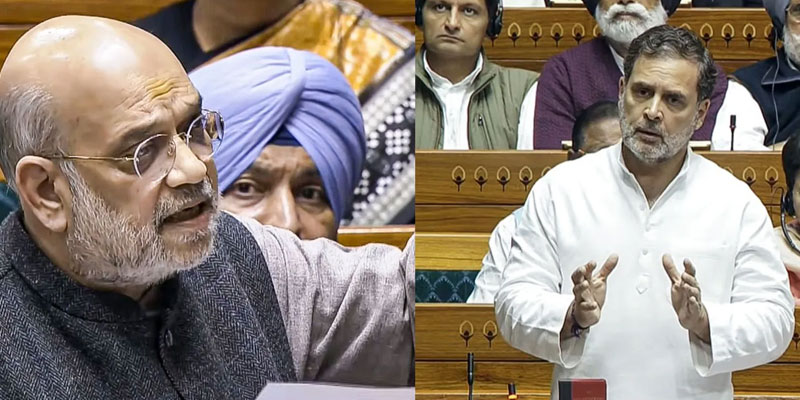
The political standoff over police action against student protesters in Delhi may finally be heading towards a parliamentary reckoning, with Parliamentary Affairs Minister Kiren Rijiju saying the government is ready for a detailed discussion and that Home Minister Amit Shah will respond. Rijiju, however, urged the Opposition to maintain order and hear the government’s explanation rather than disrupt proceedings. The announcement comes after repeated demands for Shah to address the alleged crackdown during the July 20 “Sansad Chalo” march.
Why the July 20 Protest Became Controversial
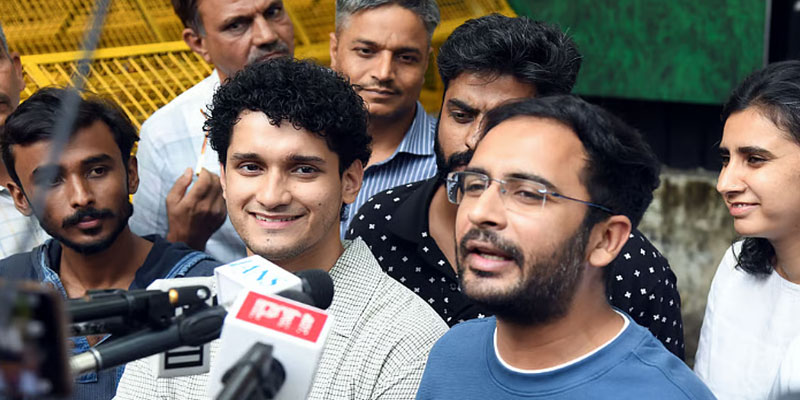
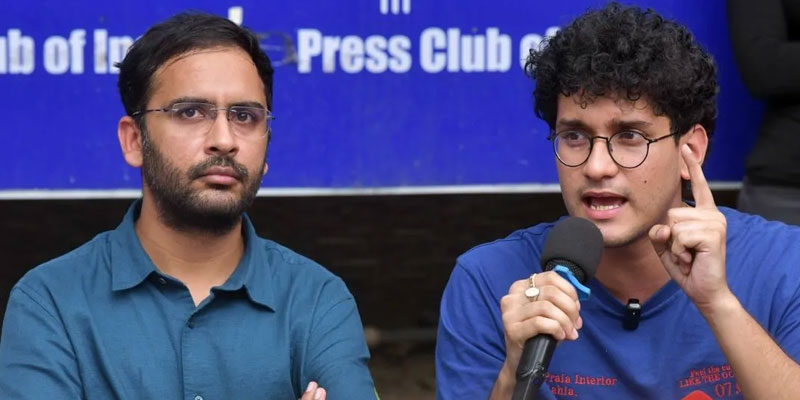
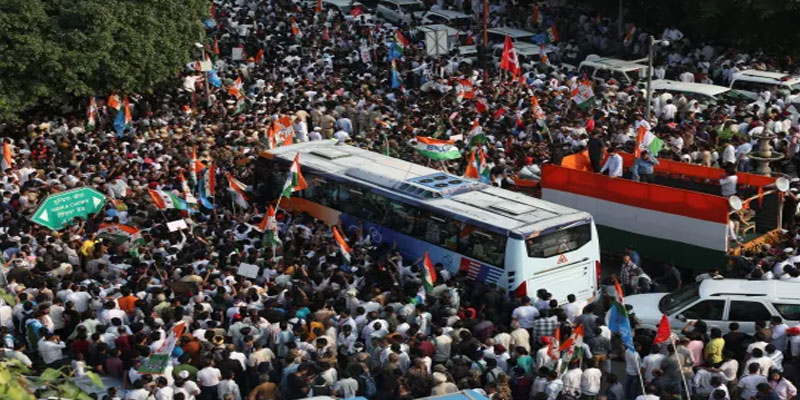
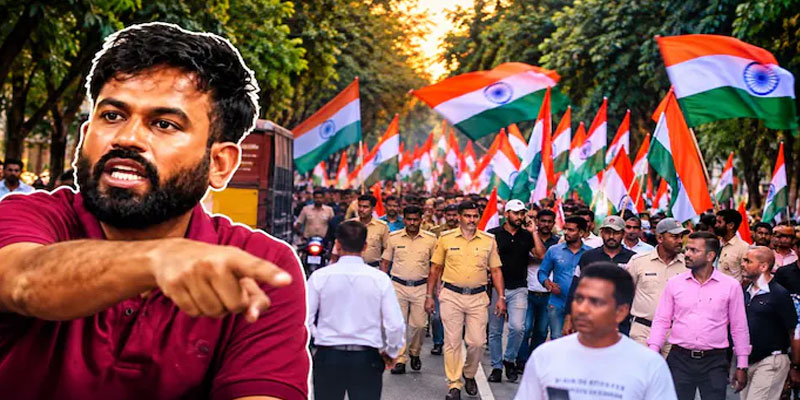
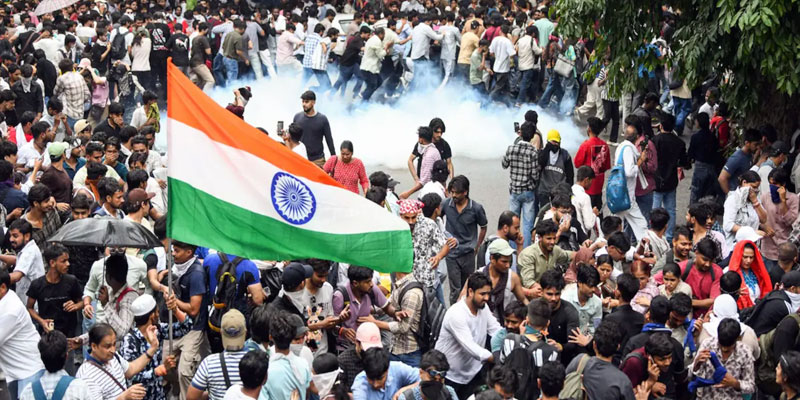
The march, organised amid allegations of examination irregularities, paper leaks and unemployment, brought thousands of students and young job aspirants to Jantar Mantar. Protesters sought accountability and demanded the resignation of Union Education Minister Dharmendra Pradhan before attempting to move towards Parliament.
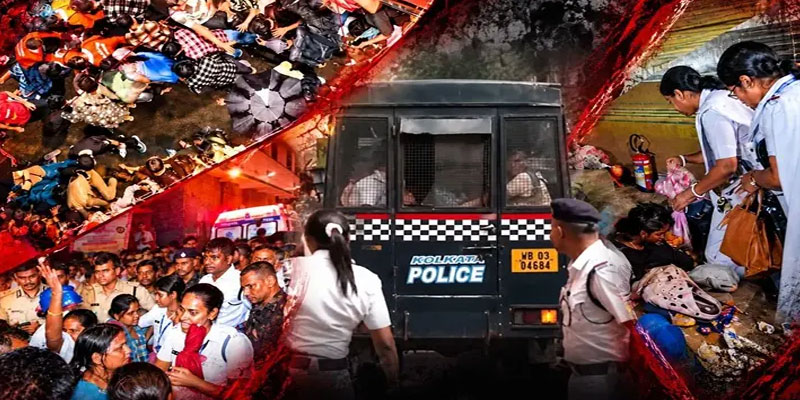
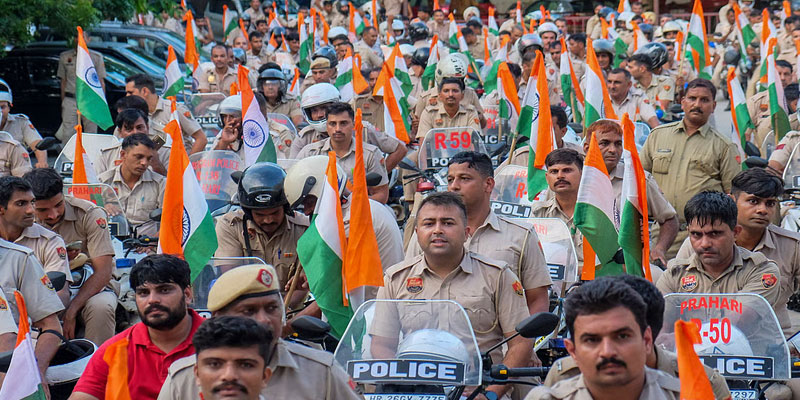
Police halted the procession using barricades, tear gas and batons. Protest organisers and Opposition leaders subsequently alleged excessive force, including the use of pellet guns and nail-studded batons, with reports claiming that more than 100 students were injured. Delhi Police rejected those allegations, maintaining that force was used only after protesters allegedly threw stones and attempted to breach security restrictions.
The controversy deepened following reports based on a police station diary that Rapid Action Force personnel had used anti-riot guns twice on the instructions of a senior Delhi Police officer. Reports also referred to several types of shells and anti-riot rounds. An internal inquiry reportedly found that at least 12 RAF personnel had been issued pellet guns that morning, although the weapons were later withdrawn.
From Crowd Control to Accountability
These conflicting accounts have elevated the dispute beyond routine policing. At stake now are questions about proportionality, command responsibility and the use of potentially dangerous weapons against demonstrators.
Amnesty International described the reported response as potentially unnecessary and excessive, while authorities have maintained that protecting Parliament and maintaining public order justified the intervention.
Why Shah’s Statement Matters
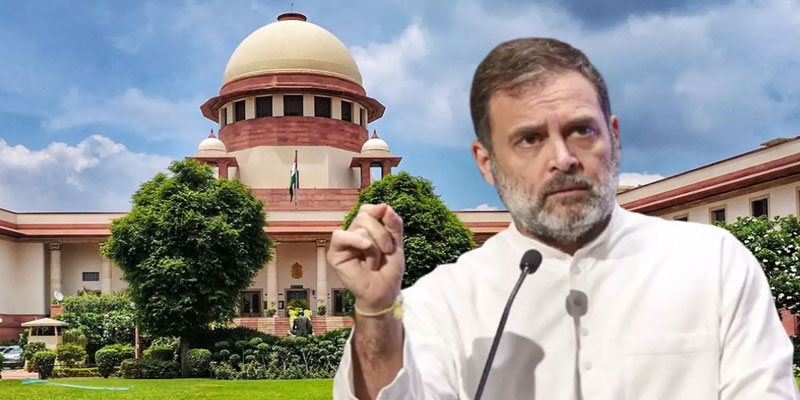
The Opposition argues that the Union Home Ministry bears administrative and political responsibility for Delhi Police and therefore wants Shah to explain the chain of command, authorisation for weapons and subsequent investigations.
Congress leader Priyanka Gandhi Vadra has maintained that the parliamentary deadlock cannot end without a direct response from the Home Minister. CPI(M) MP John Brittas has similarly questioned whether Shah was unaware of the alleged firing or whether responsibility ultimately rests with the ministry.
Opposition parties are seeking police orders, medical records, CCTV footage, details of disciplinary action and compensation for injured protesters. Their continued protests have disrupted parliamentary business, including discussions linked to examination reform and public-examination legislation.
The Next Test Is Transparency, Not Politics
Rijiju’s statement creates an opening for a structured parliamentary debate, but it does not automatically settle the Opposition’s demands. The government is likely to seek assurances against disruptions, while the Opposition will expect Shah to address the specific allegations rather than provide only a broader defence of police action.
The crucial test will therefore be the scope and substance of the Home Minister’s response. A credible parliamentary explanation, backed by an impartial fact-finding process, could restore confidence; a narrowly political defence could deepen the confrontation and turn a protest crackdown into a larger test of civil liberties and executive accountability.
(With agency inputs)