Five Priorities Set Out Under India’s Chairship
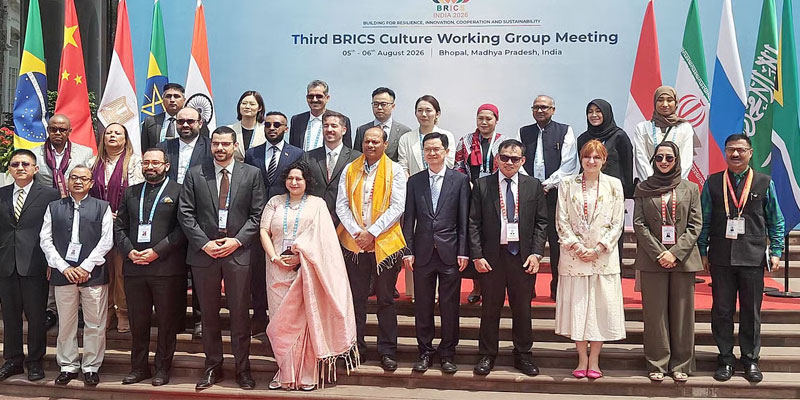
At the 13th BRICS Education Ministers’ Meeting in Bhubaneswar, member nations adopted a five-point declaration for cooperation in foundational learning, skills, research and AI, academic mobility and institutional leadership. Under India’s 2026 chairship theme—“Building for Resilience, Innovation, Cooperation and Sustainability”—the roadmap promotes inclusive, people-centric and humanity-first education.
BRICS: From Economic Forum to Wider Cooperation
BRICS, originally formed by Brazil, Russia, India and China and later expanded, has evolved into a broader platform for cooperation in development, science, technology, health and education. The Bhubaneswar declaration seeks to turn educational cooperation into practical outcomes across the expanded grouping.
Foundational Learning at The Heart of The Roadmap
The first priority is Early Childhood Care and Education (ECCE) and Foundational Literacy and Numeracy (FLN). Members will promote inclusive early education and age-appropriate digital tools to strengthen reading, writing and basic mathematics, recognising foundational skills as crucial for future learning.
Skills Cooperation to Bridge Labour-Market Gaps
The BRICS TVET Cooperation Alliance will drive collaboration in technical and vocational education. A Biennial Progress Report and Compendium of Sustainable Skill Initiatives will document progress. India has also proposed a voluntary International Skill Gap Study to identify gaps between training and labour-market needs.
Research, Start-Ups and Responsible Artificial Intelligence
Members agreed to deepen cooperation among universities, researchers and start-ups to convert research into innovation and entrepreneurship. The declaration also stresses safe, ethical and human-centred AI, addressing concerns over bias, privacy and excessive dependence on technology.
Academic Mobility Through Mutual Recognition
The Mutual Recognition of Qualifications Working Group will advance discussions towards an MoU to ease student and scholar mobility. The BRICS Network University, established in 2015, will continue supporting joint programmes, research and academic exchanges.
Stronger Universities, Leadership and STEM Talent
The roadmap supports continued BRICS Rectors’ Forums, faculty and leadership exchanges, and scholarships with a focus on STEM. Members will also explore a BRICS University Global Ranking and Evaluation System, potentially emphasising research cooperation, sustainability and societal impact.
India Adds Indigenous Knowledge to The Agenda
India has proposed principles for academic cooperation on traditional and indigenous knowledge systems, including their possible inclusion as an additional thematic group under the BRICS Network University. This seeks to connect cultural heritage with contemporary education and innovation.
From Declaration to A New Education Architecture
The roadmap closely aligns with India’s priorities in foundational learning, skills, innovation and responsible technology. Its success, however, will depend on implementation—particularly progress on qualification recognition, the skill-gap study, AI guidelines and BRICS academic mobility.
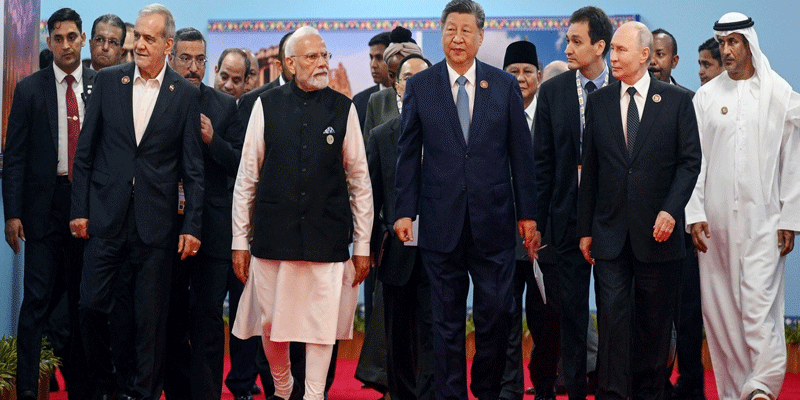
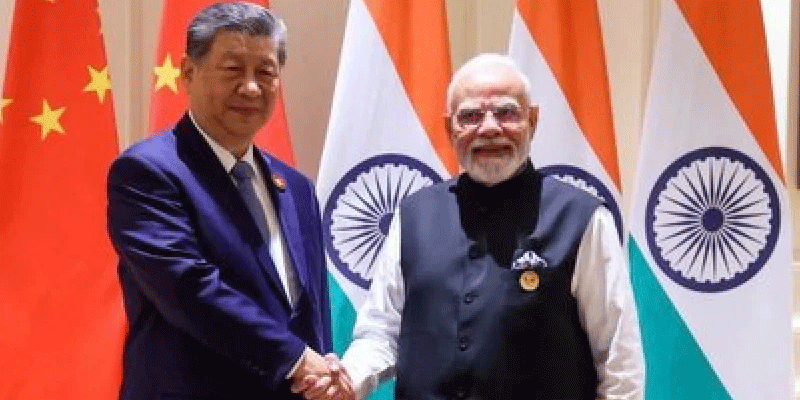
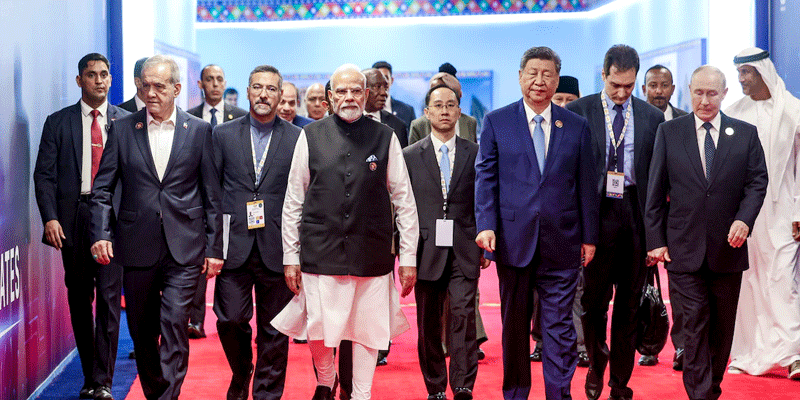
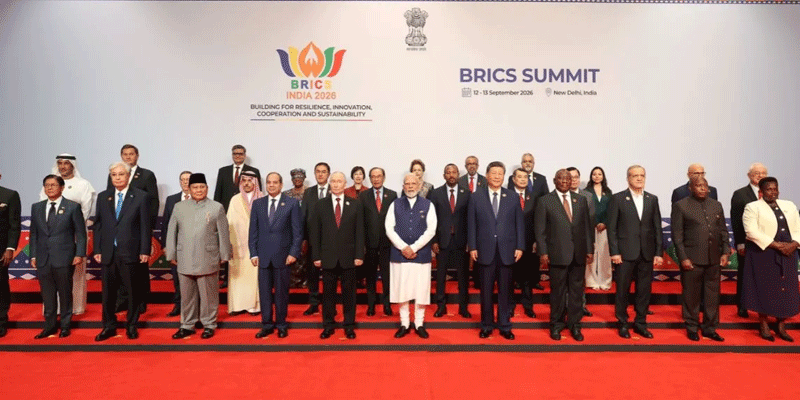
The education agenda will also feed into the 18th BRICS Summit in New Delhi on September 12–13, 2026.
The Bhubaneswar declaration therefore moves BRICS education cooperation from broad commitments towards a five-pillar framework of learning, skills, responsible AI, mobility and institutional capacity, strengthening India’s role in shaping the bloc’s future education architecture.
(With agency inputs)