From Protest to a Larger Trust Deficit
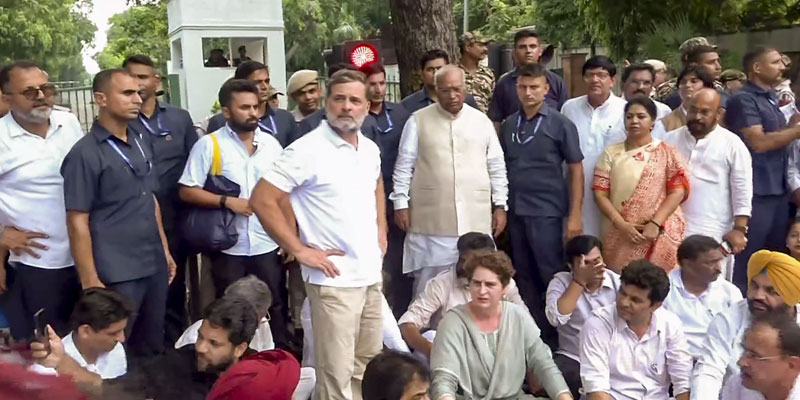
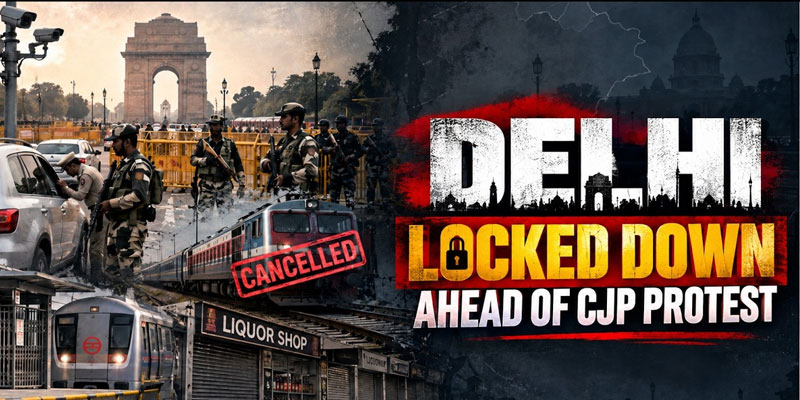
The Cockroach Janta Party (CJP) has announced a peaceful march from India Gate to the New Delhi Police Headquarters on September 5, accusing the Centre of failing to honour commitments that led to the withdrawal of its earlier student agitation. The march, to be led by families of deceased NEET aspirants and people alleging police excesses, seeks to revive a dispute that has increasingly moved beyond examination irregularities to the broader question of whether government assurances to young citizens translate into measurable action.
How CJP’s Protest Became an Accountability Issue
CJP emerged as the political face of a youth mobilisation centred on alleged NEET-UG irregularities, examination reforms and grievances over police action against demonstrators. Its 36-day agitation, which began at Jantar Mantar and expanded beyond Delhi, was called off on July 25 after the organisation said assurances were given on several outstanding issues.
The September 5 march reflects CJP's contention that those assurances have not been adequately implemented. Its principal concerns include the withdrawal of FIRs against eligible protesters, relief for affected families and accountability for alleged police brutality during the July 20 “Sansad Chalo” mobilisation. The symbolism is important: bringing bereaved families and alleged victims to the forefront turns the protest from an organisational campaign into an appeal centred on accountability and institutional trust.
The FIR Dispute Has Entered a Legal Phase
The FIR question has become particularly significant because the Supreme Court has already clarified the legal position. On August 3, the Court said Delhi and other state governments were at liberty to close or withdraw cases against student protesters, in accordance with law, while clarifying that the protection did not extend to cases involving grave or heinous offences.
This is crucial because the Court did not order a blanket cancellation of every FIR. Governments must distinguish between cases arising from participation in peaceful protests and allegations involving serious criminal conduct. That leaves implementation largely dependent on executive action, precisely where CJP says commitments have stalled.
The Supreme Court has also taken the allegations of police excesses seriously. On August 20, it constituted a five-member High-Powered Enquiry Committee headed by former Supreme Court judge R. Subhash Reddy to examine alleged excessive force, surveillance and the proportionality of police action during the protests.
The September 5 Test for the State
The proposed march is therefore becoming a test of state credibility rather than merely protest mobilisation. Delhi Police has already begun preparations, including assessment of the expected crowd and possible additional deployment, although reports said CJP had not yet sought formal permission as of August 26.
A credible government response should combine lawful protest management with transparent grievance resolution. That means publishing the status of protest-related FIRs, establishing clear criteria for cases eligible for closure, providing timelines for compensation where applicable, and ensuring independent scrutiny of allegations of police excess.
Credibility Requires Delivery, Not Assurances
The significance of September 5 will ultimately depend less on the size of the crowd than on whether the confrontation produces verifiable outcomes. Governments inevitably make commitments during periods of intense public pressure, but democratic credibility is strengthened when those commitments are documented, time-bound and fulfilled.
For CJP, the march is an opportunity to demonstrate that its campaign can move from anger to institutional accountability. For the government, it is an opportunity to show that youth grievances can be addressed through transparent processes rather than prolonged negotiation. The central lesson is simple: once public trust is promised a response, credibility depends on delivery—not another assurance.
(With agency inputs)