Bombay High Court Orders Removal of Fake Gadkari Videos
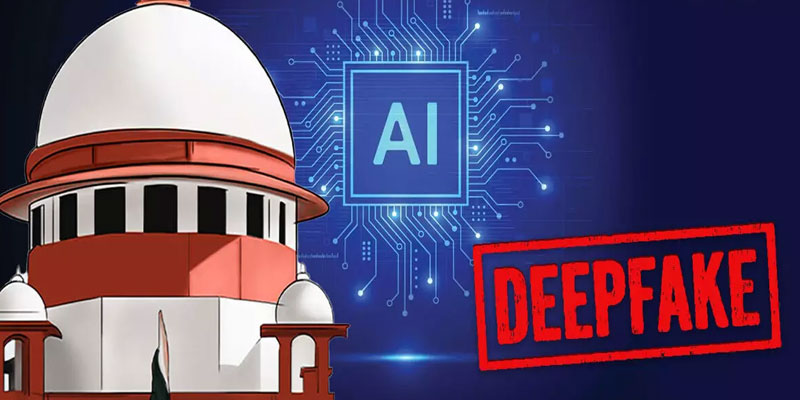
In a significant ruling against the misuse of artificial intelligence and digital misinformation, the Bombay High Court has directed the removal of fake and manipulated videos falsely linking Union Road Transport and Highways Minister Nitin Gadkari and his family to the controversy surrounding the E20 ethanol-blended petrol programme. Describing the content as "per se defamatory," the court ordered digital platforms, including Meta and Google, to take down the videos and ensure that any future uploads or recirculation of the same material are also removed. The order marks one of the strongest judicial interventions in India against AI-generated political misinformation and reinforces the principle that technological innovation cannot become a shield for digital defamation.
The Background: From Policy Debate to Digital Manipulation
The case emerged after a series of posts, reels and AI-generated deepfake videos circulated widely on social media, falsely suggesting that Gadkari and his family had personal interests linked to the government's E20 fuel initiative. His legal team approached the High Court, arguing that the content was fabricated, abusive and intentionally manipulated to mislead the public.
Importantly, the petition did not seek to curb public discussion or criticism of the E20 policy. Instead, it focused on distinguishing legitimate democratic debate from deliberately altered content designed to damage an individual's reputation. This distinction became central to the court's reasoning, reaffirming that while policy criticism is protected under the right to free speech, fabricated and deceptive content intended to misinform falls within the ambit of defamation.
A Landmark View on Platform Responsibility
One of the most significant aspects of the ruling concerns the responsibility of digital intermediaries. The High Court held that once platforms are notified about clearly defamatory content, they are expected to act promptly by removing it. It further clarified that if disputes arise over whether particular content falls into a legal grey area, the parties may seek judicial clarification instead of leaving platforms to make complex legal determinations independently.
During the proceedings, Meta reportedly argued that some of the content represented fair criticism of government policy. However, the court rejected attempts to equate manipulated deepfakes with legitimate political expression, observing that digitally altered material created to deceive viewers cannot claim the same constitutional protection as genuine public discourse.
Latest Ruling Strengthens India's Response to AI Misinformation
The judgment arrives at a time when generative AI has dramatically increased the production of convincing fake videos, synthetic audio and manipulated images capable of influencing public opinion within hours. The court's direction requiring not only the removal of existing content but also future instances of its recirculation reflect a more proactive judicial approach to combating online misinformation.
The ruling also sends a broader signal to social media companies that they cannot remain passive once harmful and demonstrably false content has been brought to their attention. As AI-generated misinformation becomes increasingly sophisticated, courts are likely to expect quicker compliance and greater accountability from digital platforms.
A Defining Moment for Digital Accountability
The Bombay High Court's order extends far beyond the immediate Gadkari-E20 controversy. It establishes an important legal benchmark for balancing freedom of expression with protection against malicious digital manipulation. By clearly separating policy criticism from AI-generated defamation, the judiciary has reinforced the constitutional space for democratic debate while drawing a firm line against deliberate misinformation.
As artificial intelligence reshapes the information landscape, legal institutions will play an increasingly critical role in preserving public trust. This judgment underscores that while technology continues to evolve rapidly, the principles of truth, accountability and individual reputation remain fundamental pillars of a democratic society.
(With agency inputs)