Naqvi Warns Discontented Youth Could Overturn Pakistan
Pakistan Interior Minister Mohsin Naqvi has issued an unusually stark warning about the country's growing youth frustration, saying that if young Pakistanis unite, they could “overturn everything.” Speaking at the Pakistan Economic Summit in Islamabad, Naqvi compared the potential mobilisation with India's recent Cockroach Janta Party (CJP)-linked youth protests, which became a major political movement and contributed to the resignation of India's Education Minister. His remarks come amid his admission that Pakistan's governance system has failed to address mounting economic and political challenges.
CJP Protests Become a Warning Across Border
The reference to India's CJP movement is significant. What began as youth anger over unemployment and governance-related grievances developed into sustained protests, demonstrating how digitally connected young people can rapidly transform frustration into political pressure.
Naqvi's remarks suggest that Pakistan's political establishment is closely watching this experience. His metaphor of “cockroaches” referred to young people whose grievances, if ignored, could eventually become a force capable of disrupting established political structures.
He also argued that Pakistan's existing system has effectively failed after decades of unresolved problems and that short-term “firefighting” cannot substitute for fundamental reform.
Why Naqvi Fears a Youth-Led Political Shock
Pakistan faces persistent economic pressures, unemployment and growing demands for greater political accountability. For Naqvi, the central danger appears to be not simply individual dissatisfaction but the possibility of collective mobilisation.
His warning carries particular significance because young people constitute a major part of Pakistan's population. If economic frustration combines with social-media activism and dissatisfaction with governance, a movement could potentially spread faster than conventional political organisations can contain.
Rather than dismissing the possibility, Naqvi appeared to urge policymakers to address the underlying grievances before they become unmanageable.
Calling For New Administrative Units and Devolution
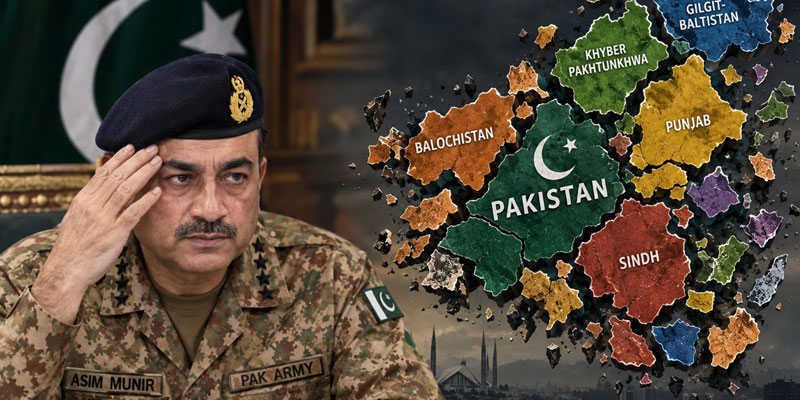
Naqvi's response went beyond warning. He called for structural changes to Pakistan's governance system, including the creation of additional administrative units or provinces and greater devolution of authority to lower levels of government. He argued that the existing administrative structure is outdated and incapable of effectively addressing contemporary challenges.
He also stressed the need for political parties to reach consensus on major constitutional and governance questions rather than continuing with short-term solutions.
Most importantly, Naqvi highlighted what he sees as the strongest demand from Pakistan's youth: employment based on merit rather than financial assistance. His argument suggests that young Pakistanis increasingly want opportunities, dignity and fair access to jobs rather than welfare measures alone.
Security Power Alone Cannot Deliver Stability
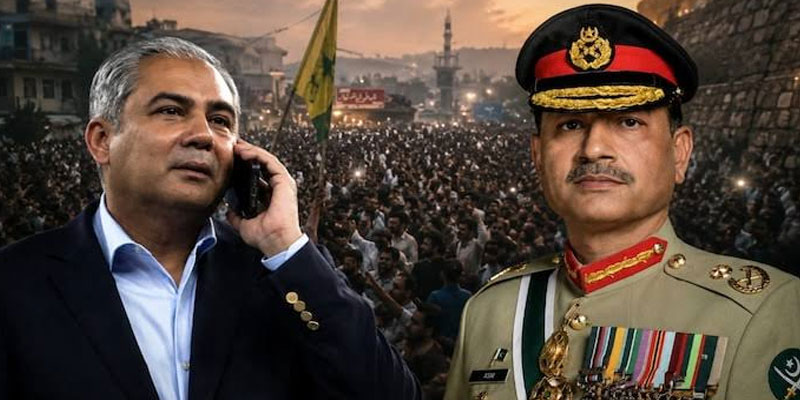
Naqvi also indicated that security measures alone cannot provide lasting stability. His comments effectively placed the emphasis on political cooperation, institutional reform and better governance rather than relying exclusively on the country's powerful security establishment.
That observation is particularly notable given the expanded political influence attributed to Pakistan's military leadership. It suggests an acknowledgement from within the government that coercive or security-centric approaches cannot permanently resolve economic and political grievances.
A Warning Pakistan’s Establishment Cannot Ignore
Naqvi's “cockroaches” remark may have been controversial, but its underlying message is difficult to overlook: an ignored generation can eventually become an organised political force. His call for administrative restructuring, devolution and merit-based employment indicates recognition that Pakistan's stability depends increasingly on addressing the aspirations of its young population. The reference to India's CJP movement therefore serves as both a political comparison and a caution. If economic hardship, unemployment and institutional distrust continue unchecked, even deeply entrenched political systems can face pressure from an increasingly connected and determined generation.
(With agency inputs)