Zepto Warehouse Sealed Over Serious Hygiene Lapses
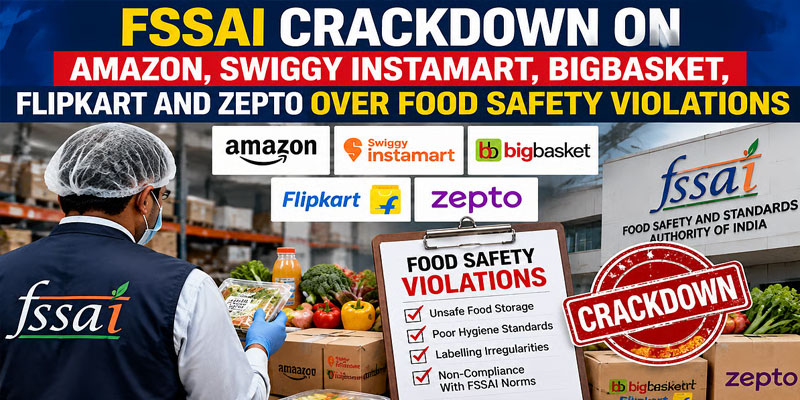
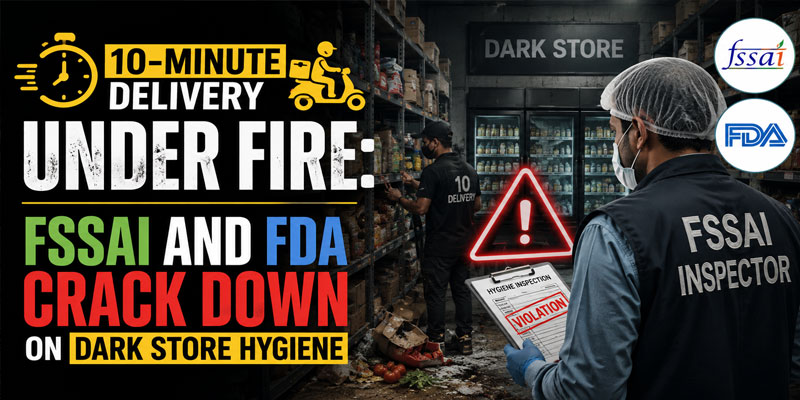
Food safety authorities have intensified inspections of quick-commerce infrastructure in Bengaluru, sealing an unhygienic dark-store warehouse linked to Zepto. The action highlights a significant regulatory shift: warehouses powering rapid grocery deliveries are increasingly being treated as critical food-handling facilities, rather than merely logistics centres. The crackdown comes amid wider inspections across Karnataka targeting restaurants, cloud kitchens, canteens, hotels and food-storage facilities.
What Officials Found at The Zepto Facility
On August 11, 2026, Karnataka’s Food Safety and Drug Administration conducted a special inspection at a Zepto warehouse in Hoskote taluk of Bengaluru Rural district, operated in partnership with logistics company Nippon Express. The inspection examined food quality, safety, storage, labelling and handling practices under the Food Safety and Standards Act, 2006, and applicable FSSAI regulations.
Officials reportedly described the premises as “extremely unhygienic.” They found organic waste, discarded wrappers and bottles, accumulated dirt and empty cardboard boxes within the storage area. Inspectors also flagged improper storage and food-handling practices, along with alleged labelling violations, including non-compliant and misbranded products.
Given the conditions, authorities sealed the warehouse with immediate effect, issued a notice and recommended registration of a case against those responsible.
Bengaluru’s Wider Food Safety Crackdown
The Zepto action is part of a broader enforcement drive. Food safety teams have inspected state-run Indira Canteens, hotels, restaurants and food manufacturers, uncovering violations ranging from pest infestation to expired or improperly stored food. In some cases, establishments were sealed and food articles were seized.
The enforcement approach is significant because regulators are expanding their attention beyond conventional restaurants and shops. Karnataka authorities have indicated that warehouses, large food businesses and other less-visible parts of the supply chain will also face systematic inspections.
Similar concerns have emerged elsewhere. In Mumbai, inspections of quick-commerce infrastructure have reportedly uncovered pest infestation and storage violations, demonstrating that regulatory scrutiny of app-based grocery operations is becoming a wider national trend.
Why Dark Stores Matter to Food Safety
Quick-commerce has transformed urban shopping through dark stores and micro-fulfilment centres strategically located close to consumers. These facilities can handle enormous quantities of packaged goods, fresh produce and other perishables, often operating away from public view.
That makes their hygiene standards particularly important. A contaminated or poorly managed warehouse can potentially affect products delivered to hundreds or thousands of households. Labelling and storage failures can also compromise consumers’ ability to make informed choices.
The Bengaluru action therefore establishes an important principle: speed of delivery cannot create a regulatory blind spot.
Fast Commerce Needs Safe Foundations
The sealing of the Zepto warehouse is more than an isolated enforcement action. It signals that India’s food-safety architecture is adapting to a rapidly changing retail economy. Quick-commerce companies and their logistics partners now face greater responsibility for every stage between warehouse and doorstep.
For consumers, stronger inspections offer reassurance. For platforms, the message is unmistakable: convenience may be delivered in minutes, but food safety cannot be compromised for speed.
(With agency inputs)