Jaishankar’s Outreach Signals India’s De-escalation Push
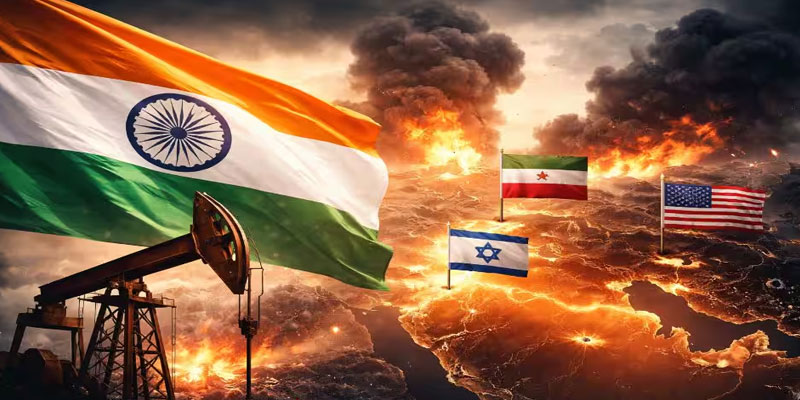
India has reiterated its support for ongoing efforts to halt the escalating Iran-US conflict, following high-level talks between External Affairs Minister S. Jaishankar and Iranian Foreign Minister Abbas Araghchi. The conversation comes at a time of heightened tensions in West Asia, with India positioning itself firmly in favor of dialogue and de-escalation. New Delhi’s message is clear: sustained diplomacy, not confrontation, is the only viable path forward in an increasingly volatile region.
Multi-Channel Diplomacy in a Fractured Region
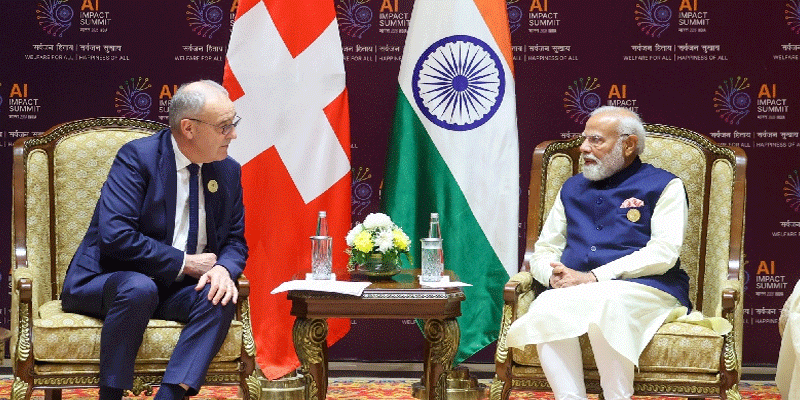
India’s diplomatic engagement extends beyond Iran. Jaishankar has also held discussions with Abdullah bin Zayed Al Nahyan and Sheikh Mohammed bin Abdulrahman Al Thani, reflecting a multi-stakeholder approach to crisis management. These interactions highlight India’s deep strategic and economic ties with Gulf nations, particularly in the context of energy security.
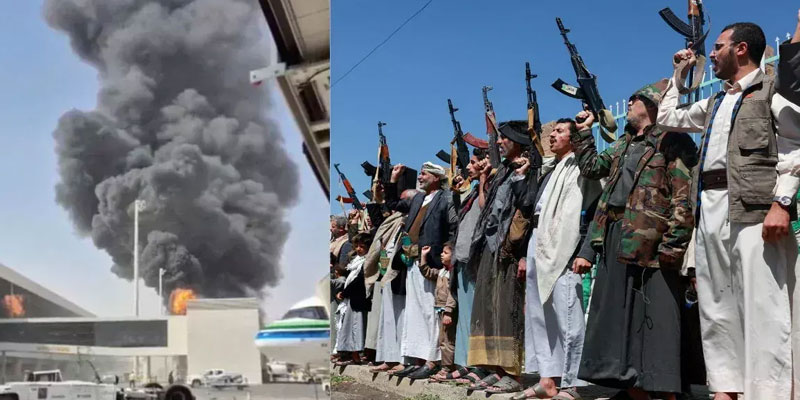
During the talks, Iran emphasized the responsibility of the global community to resist violations of international law, indirectly referencing recent US-Israeli strikes. India, while avoiding direct alignment, supported peace initiatives and underscored the importance of dialogue, including mechanisms facilitated by the United Nations. Discussions also touched upon disruptions in the Strait of Hormuz, a critical artery for India’s oil imports.
Economic Resilience Amid Global Uncertainty
Speaking at the Indian Institute of Management Raipur, Jaishankar highlighted India’s ability to navigate global crises through strategies such as diversification and risk hedging. Despite ongoing conflicts in West Asia and Eastern Europe, he expressed confidence in India’s economic trajectory, positioning it among the world’s top five economies.
However, the ongoing conflict poses real economic risks. Rising oil prices, increased logistics costs, and supply chain disruptions—already flagged by industry sectors like automobiles—could strain India’s growth momentum. With nearly 85% of its crude oil imported, any instability in West Asia directly impacts inflation and fiscal stability.
Balancing Geopolitics and National Interests
India’s diplomatic stance reflects a careful balancing act. While engaging with Iran and acknowledging its concerns, New Delhi continues to maintain strong ties with US allies in the Gulf. This approach aligns with India’s evolving strategy of “multi-alignment,” allowing it to safeguard its interests without being drawn into geopolitical rivalries.
Investments in strategic projects such as the Chabahar Port further underscore India’s long-term regional vision, offering an alternative trade route that bypasses Pakistan. At the same time, Gulf remittances—exceeding $100 billion annually—remain vital to India’s economy, reinforcing the need for stability in the region.
Diplomacy as India’s Strategic Anchor
India’s proactive diplomatic outreach reflects both necessity and strategy. As tensions in West Asia threaten to disrupt global energy flows and economic stability, New Delhi’s emphasis on dialogue positions it as a potential bridge between competing powers. While uncertainties persist, India’s balanced engagement and focus on de-escalation highlight its intent to safeguard national interests while contributing to regional peace. In a world marked by shifting alliances and rising conflicts, diplomacy remains India’s most effective tool for navigating turbulence.
(With agency inputs)