An Image That Spoke Volumes
The recently concluded Shanghai Cooperation Organisation (SCO) summit in Tianjin offered more than formal speeches and ceremonial gatherings. A striking photograph of Prime Minister Narendra Modi, Chinese President Xi Jinping, Russian President Vladimir Putin, and North Korea’s Kim Jong Un smiling together has become emblematic of an evolving geopolitical moment. To many in the West, the tableau suggested not merely a regional forum but the contours of a new global balance—one increasingly centered in Asia and less beholden to U.S. dominance.
Western Reactions: A Chill in Washington
The Western press and commentators seized on the symbolism of the image. CNN analyst Van Jones described it as a moment that should “send a chill down the spine of every American.” He argued that the gathering highlighted a world where the United States, once flanked by allies and commanding influence, now finds itself isolated against a bloc of rising powers.
The Washington Post went further, dubbing the quartet of Russia, China, Iran, and North Korea an “axis of upheaval,” hinting at a coordinated front challenging American interests. The New York Times emphasized the calculated warmth between Xi and Putin, portraying them as the faces of an “alternative world order,” while also noting Modi’s presence as a subtle signal to Washington that India has options beyond its growing ties with the U.S.
Modi’s Calculated Presence
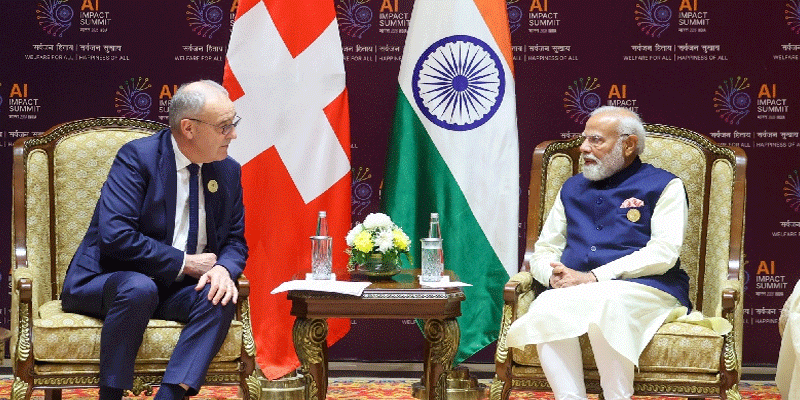
India’s role at the SCO carries special weight. Images of Modi laughing and clasping Putin’s hand, engaging animatedly with Xi, and walking shoulder to shoulder with both leaders reflected an ease of interaction. Despite unresolved tensions on the India–China border, Modi’s participation underscored New Delhi’s pragmatic approach. By standing alongside Xi and Putin, he conveyed that India values multiple alignments and will not allow any single partnership—whether with Washington or Moscow—to define its foreign policy.
For India, participation in the SCO also serves to amplify its voice in regional and global governance while maintaining autonomy in a multipolar setting. The message to the West was clear: tariffs, trade disputes, or diplomatic pressures will not confine India’s strategic choices.
Xi’s Call for a Multipolar Future
During the summit, Xi urged nations to reject “Cold War thinking,” warning against rival blocs and coercive politics. He advocated for a United Nations–centered order with multiple power centers, calling for fairness and balance in global governance. His remarks dovetailed with the imagery of unity projected alongside Putin, Modi, and Kim Jong Un, reinforcing the idea of Asia as a nucleus of the future international system.
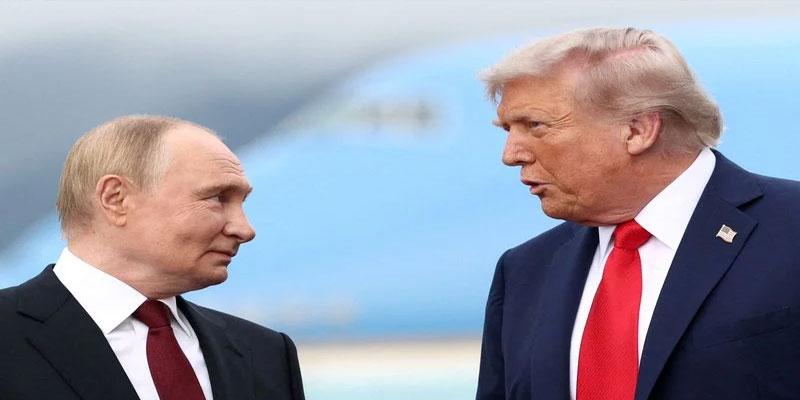
The summit’s timing, coinciding with Beijing’s parade marking 80 years since Japan’s World War II surrender, amplified the symbolism. As advanced weaponry rolled past Tiananmen Square, Xi, Putin, and Kim stood together, projecting solidarity and strength. Putin and Xi, caught on a hot mic discussing futuristic medical possibilities such as organ transplants and life expectancy, further humanized their bond amid the spectacle.
The U.S. Response and Its Unease
President Donald Trump, in a sardonic message on Truth Social, extended “warm regards” to Xi, Putin, and Kim while accusing them of conspiring against the United States. His post reflected both irritation and recognition of the summit’s symbolic weight. Western media, meanwhile, framed the SCO’s growing influence as a direct challenge to U.S. leadership and a harbinger of a fragmented, multipolar order.
The Road Ahead in a Multipolar World
The Tianjin summit underscored how global power dynamics are being redrawn. Modi’s presence alongside Xi and Putin highlighted India’s strategic balancing act; Xi and Putin’s camaraderie displayed the strength of their shared vision; and Kim’s inclusion signaled that even pariah states find validation in this evolving coalition.
For the West, the image of these leaders together was unsettling, but for much of Asia it represented agency, choice, and the assertion of regional leadership. Whether this moment evolves into a durable “new world order” remains to be seen. Yet one truth is evident: the days of unilateral dominance are fading, and the SCO summit showed that the center of gravity in global politics is steadily shifting eastward.
(With agency inputs)