A Catastrophe Spilling Across Himalayan Borders
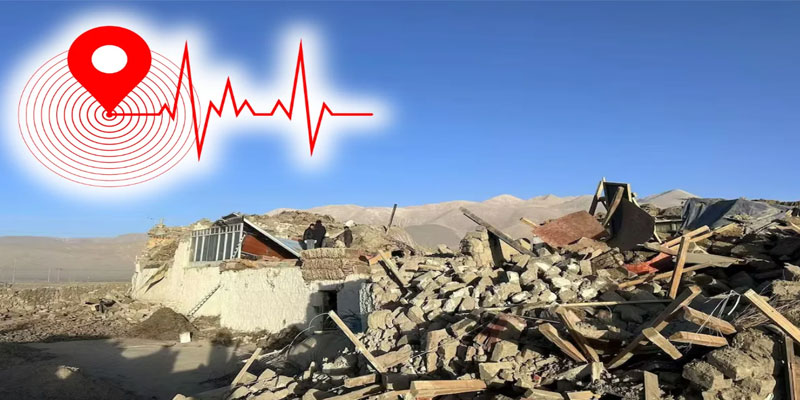
Nepal’s flash-flood catastrophe has become a transboundary rescue emergency, with 616 bodies reportedly recovered in Nepal since the August 26 disaster, while seven additional deaths have been reported in Tibet. Nearly 2,500 people remain unaccounted for across the Nepal-China frontier, transforming a devastating natural disaster into a major humanitarian challenge and a test of regional disaster coordination.
India has responded by sending an 11-member specialist team, including doctors, paramedics and tunnel-rescue experts, along with another tranche of relief supplies. The assistance reflects the increasingly international character of a crisis that has struck remote mountain communities, infrastructure projects and foreign nationals alike.
A Glacier-Triggered Disaster, Not Ordinary Monsoon Flooding
The immediate disaster was triggered by a sudden collapse of glacier and rock near the Nepal-China border. The resulting ice-and-debris avalanche entered the Lhende Khola and surged into the Bhote Koshi river system, carrying enormous quantities of water, mud, boulders and trees downstream.
Settlements, roads, bridges, markets and hydropower facilities in Rasuwa and neighbouring districts were overwhelmed. Unlike conventional monsoon flooding, such glacier-related events can occur with limited warning. Potential blockage lakes, sudden lake drainage and further instability on the Tibetan side have also raised fears of additional flooding.
A Rising Death Toll and Difficult Rescue
The human toll remains fluid because rescuers are still reaching isolated areas and identifying victims. Earlier official figures had already listed hundreds of recovered bodies and hundreds of foreign nationals among the missing, including 167 Indians and 100 Chinese citizens.
The geography is making rescue exceptionally difficult. Damaged roads and bridges are restricting access for excavators, ambulances and relief supplies, while unstable slopes and continuing adverse weather create additional risks for rescuers. The disaster has also severely affected hydropower infrastructure, with 14 projects in Rasuwa and Nuwakot reportedly impacted and workers trapped or missing in tunnels and project sites.
Nepal Opens the Door to International Expertise
Kathmandu initially indicated that its own security agencies could manage the search operation. But the growing number of missing people and the specialised nature of the rescue effort changed the equation.
Nepal has now approved limited specialist assistance from India, China, Australia and South Korea, covering tunnel rescue, forensic identification and DNA testing. India’s 11-member contingent brings medical and technical expertise, while New Delhi has also offered National Disaster Response Force support.
Nepal has additionally sought assistance from India and China to construct 42 Bailey bridges, recognising that restoring physical connectivity is essential not only for rescue but also for the recovery of isolated communities.
Himalayan Warming Makes the Risk Bigger
The disaster exposes a wider Himalayan vulnerability where rapidly changing ice conditions intersect with fragile geology, dense settlements, river valleys and expanding infrastructure. Scientists have warned that warming temperatures, glacier retreat and thawing permafrost can destabilise mountain slopes and increase the possibility of landslides, glacial lake outbursts and sudden floods.
The danger therefore extends well beyond one catastrophic event. Nepal, India and China share interconnected mountain and river systems, meaning an environmental shock upstream can quickly become a humanitarian emergency downstream.
The Himalayas Demand a Shared Safety Net
The immediate priority is clear: find survivors, recover victims, restore access and prevent another flood. But the deeper lesson is that disaster preparedness in the Himalayas can no longer remain primarily national.
The region needs stronger cross-border glacier and river monitoring, real-time warning systems, resilient infrastructure standards and pre-agreed mechanisms for rapidly deploying international rescue teams. Nepal’s tragedy demonstrates that Himalayan disasters do not respect political boundaries. The most effective response, therefore, is not merely faster rescue after catastrophe—but collective preparedness before the next warning becomes a disaster.
(With agency inputs)