Midterm Disaster Exposes Deepening Republican Fault Lines
There is growing turmoil within the Republican Party following its astonishing defeat in the 2026 US midterm elections. Senior Republican figures, including Vice President JD Vance, Florida Governor Ron DeSantis and Senator Ted Cruz, are reportedly distancing themselves from Donald Trump, with the prolonged Iran war emerging as a major source of political disagreement. Meanwhile, speculation surrounding Secretary of State Marco Rubio's possible resignation to pursue his 2028 presidential ambitions has added another dimension to the unfolding political drama.
Midterm Defeat: A Major Blow to Trump's Presidency
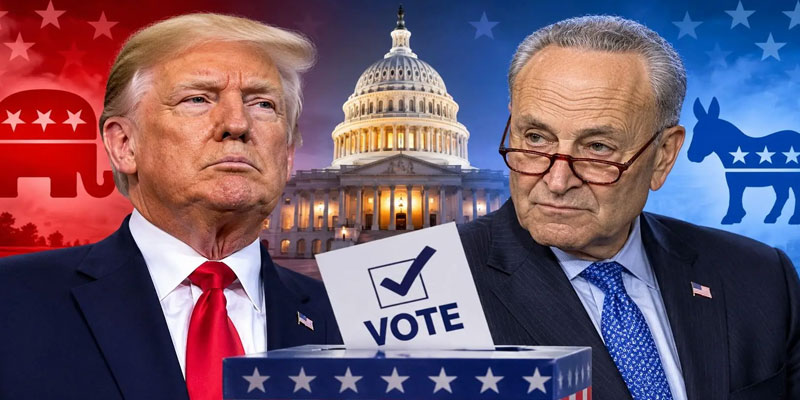
The 2026 midterm elections have delivered a significant political setback to Trump, with Democrats winning control of both the House of Representatives and the Senate. The results represent a serious rejection of Republican leadership and have exposed vulnerabilities in Trump's political strategy.
Republicans suffered losses even in traditionally conservative constituencies. Early election analysis indicated widespread Democratic gains, while estimates suggested the Democrats enjoyed an approximately 13-point advantage in the national congressional popular vote.
Several issues contributed to voter dissatisfaction:
· Iran war: The prolonged military conflict and its economic consequences became major electoral liabilities.
· Inflation and fuel prices: Rising living costs weakened public confidence in the administration.
· Governance concerns: Allegations of corruption and dissatisfaction with government priorities further damaged Republican support.
Trump defended the Iran military campaign as necessary but acknowledged that its economic consequences had hurt his party.
Vance, DeSantis and Cruz: Signs of a Republican Rebellion
The most significant development is the growing willingness of prominent Republicans to question Trump's political and foreign-policy decisions.
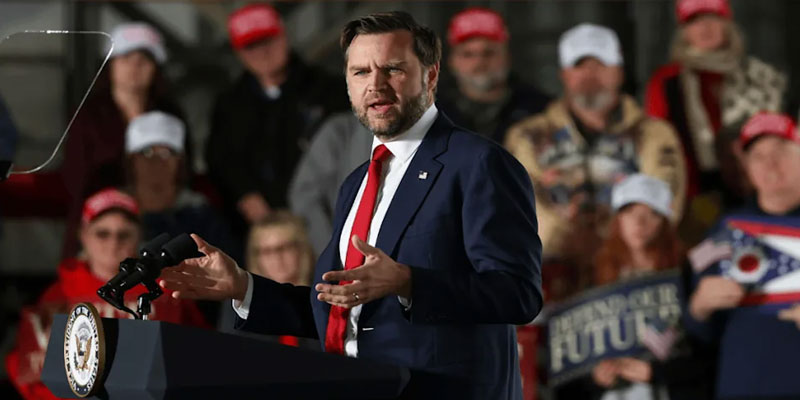
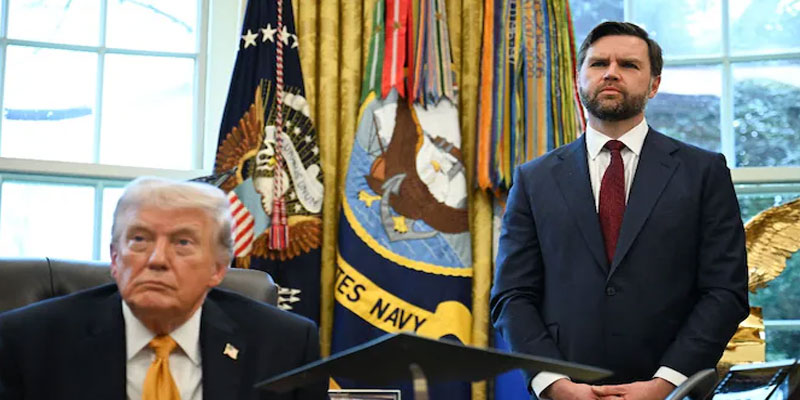
Vice President JD Vance has emerged as an important voice in the post-election debate. Blaming the Iran conflict for the electoral disaster, he reportedly stated that the war was the reason Republicans lost. His position is particularly significant given speculation about his potential presidential ambitions in 2028.
Senator Ted Cruz described the outcome as a "Watergate-level repudiation", arguing that the Iran war had continued for too long and needed to end.
Ron DeSantis has also reportedly joined the group distancing itself from Trump's leadership.
However, this does not yet represent a formal rebellion or an organised attempt to remove Trump. Rather, potential successors appear to be positioning themselves for the Republican Party's next political phase while retaining support among Trump's voters.
Marco Rubio's 2028 Ambitions Add to Speculation
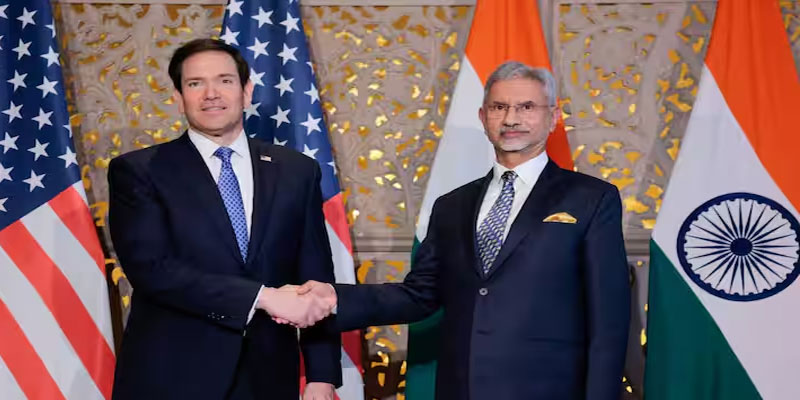
Secretary of State Marco Rubio has become another focus of political speculation. Reports suggest he could consider leaving the administration to prepare for a possible 2028 presidential campaign.
However, Rubio has publicly rejected reports of an imminent resignation, describing claims about launching his presidential campaign as baseless. He has maintained that serving through Trump's presidential term has always been his plan.
Nevertheless, his reluctance to discuss his 2028 ambitions has kept speculation alive. Widely viewed as a potential Republican presidential contender, Rubio has previously indicated that he would support Vance if the Vice President entered the race.
The Road to 2028: What Lies Ahead?
The Republican Party now faces an important strategic choice: continue with Trump's confrontational political approach or embrace a more pragmatic leadership model.
The emerging possibilities include:
· Vance attempting to establish an independent political identity.
· DeSantis and Cruz seeking greater influence over the party's future direction.
· Rubio weighing his cabinet responsibilities against long-term presidential ambitions.
· Trump attempting to restore Republican unity and retain control over the party.
Trump's Biggest Challenge May Come from Within
The midterm defeat has not ended Trump's influence over the Republican Party, but it has exposed the political costs of his decisions. The Iran war has become a convenient focal point for dissatisfied Republicans seeking to distance themselves from an unpopular policy without rejecting Trumpism altogether. The coming months could therefore determine whether the party remains firmly aligned with Trump or gradually transitions towards a new generation of leadership. With 2028 approaching, the real battle may not simply be between Republicans and Democrats, but over who gets to define the future of the Republican Party.
(With agency inputs)