A devastating building collapse near Saket Metro Station in South Delhi has once again exposed the dangers of unauthorized construction and weak enforcement of safety regulations. The multi-storey commercial structure in Saidulajab crumbled into a massive heap of rubble on Saturday evening, triggering panic and a large-scale rescue operation involving multiple emergency agencies.
The incident occurred around 7:45 p.m. on Western Marg within the Mehrauli area. W
itnesses described hearing a loud explosion-like sound before the entire structure gave way, engulfing the locality in a thick cloud of dust. The collapse was so severe that the building was reduced to a flattened mound of concrete and twisted metal within seconds.
The property reportedly housed a medical coaching institute, corporate offices, and cafes. The disaster became even more tragic when the falling debris crashed onto an adjacent tin-shed canteen where dozens of students were having dinner. Many of those present were medical graduates preparing for postgraduate entrance examinations.
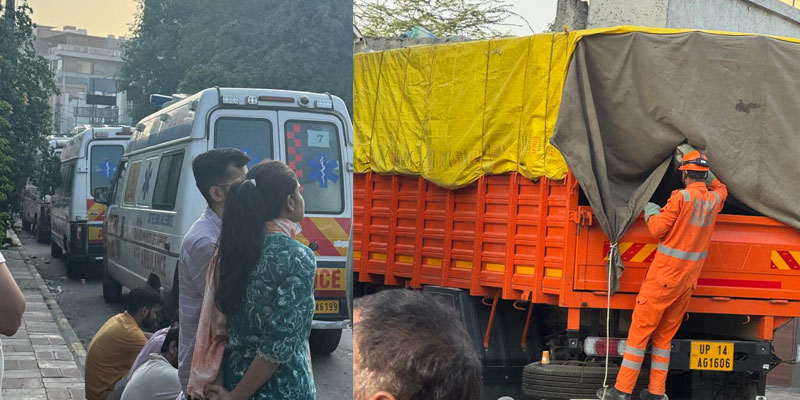
Rescue operations began immediately after the collapse. Teams from the National Disaster Response Force (NDRF), Delhi Fire Services (DFS), Delhi Police, District Disaster Management Authority (DDMA), and ambulance services rushed to the site. Local residents played a crucial role by rescuing several victims before official teams arrived.
Authorities confirmed that at least a dozen people were pulled from the debris, including individuals with critical injuries. Search teams deployed specialized equipment such as victim-location cameras, hydraulic cutters, drilling machines, sniffer dogs, and heavy excavators to locate survivors trapped beneath the rubble.
The human impact of the tragedy has been profound. Families gathered outside hospitals, including AIIMS, anxiously searching for missing relatives. Among the injured was a young medical graduate who suffered fractures while dining with fellow students when the structure collapsed.
Preliminary investigations suggest that severe structural negligence may have contributed to the disaster. Sources indicate that unauthorized construction was underway to add additional floors to the building while modifications were simultaneously being carried out in the basement.
Experts believe that excavation and structural alterations may have weakened the load-bearing pillars, compromising the building’s stability. Such violations can significantly increase stress on the structure and create conditions for catastrophic failure.
Police have initiated a criminal investigation into the ownership of the property, construction approvals, and possible violations of municipal regulations. Authorities are expected to examine whether building norms were ignored and whether negligence directly led to the collapse.
Beyond the immediate tragedy, the incident raises broader questions about urban planning, illegal construction, and regulatory oversight in rapidly expanding cities. As rescue operations continue, the Saket collapse stands as a grim reminder that safety standards cannot be compromised when human lives are at stake.