Bishkek Summit Comes at A Crucial Moment
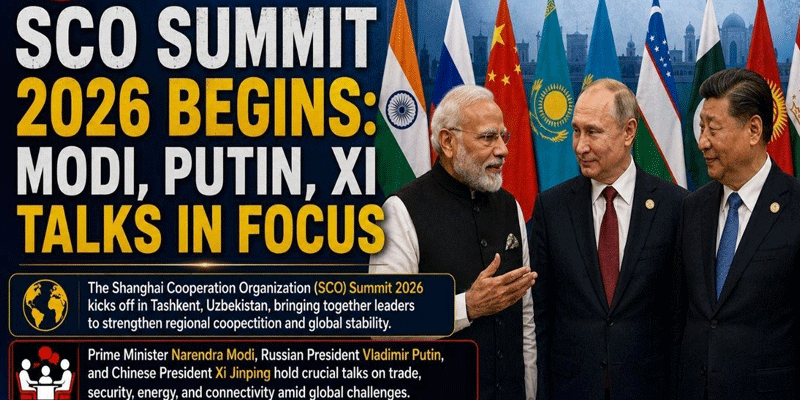
Prime Minister Narendra Modi’s visit to Bishkek for the 26th Shanghai Cooperation Organisation (SCO) summit comes as India navigates an increasingly turbulent geopolitical landscape. Held on August 31 and September 1, the summit brings together leaders of China, Russia, Iran, Pakistan and Central Asia amid conflicts in West Asia and Ukraine, energy insecurity and intensifying great-power rivalry. Modi arrived in Kyrgyzstan on August 30 and is expected to hold key bilateral meetings on the sidelines.
Why The SCO Matters to India
India became a full SCO member in 2017 and has increasingly used the forum to engage with Eurasia on its own terms. The grouping now comprises 10 full members—Belarus, China, India, Iran, Kazakhstan, Kyrgyzstan, Pakistan, Russia, Tajikistan and Uzbekistan.
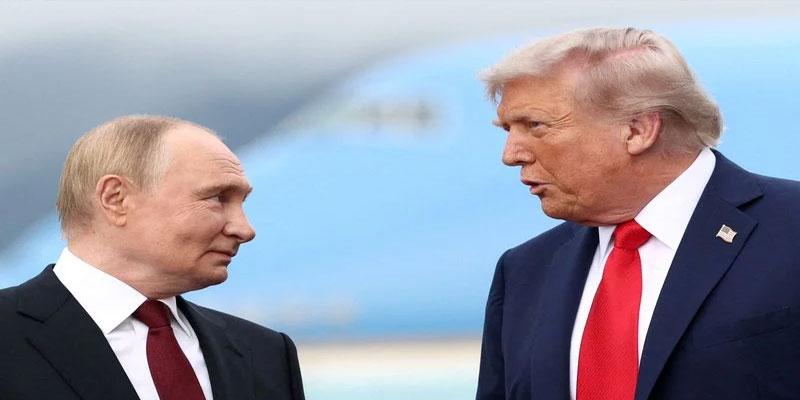
For New Delhi, the SCO provides a rare diplomatic platform where it can simultaneously engage Russian President Vladimir Putin, Chinese President Xi Jinping, Iranian President Masoud Pezeshkian and Central Asian leaders. This supports India’s larger strategy of maintaining strategic autonomy while expanding its influence across Eurasia.
Why Bishkek Matters to India
The summit’s importance for India rests on three interconnected priorities: security, connectivity and opportunity.
Security is particularly significant because counterterrorism, extremism and separatism remain central SCO concerns. India is expected to reiterate its position that terrorism cannot be divided into “good” and “bad” categories—a message carrying particular weight in an organisation that includes both India and Pakistan. Instability in Afghanistan and the spread of radical networks also make regional security cooperation increasingly important.
Connectivity is equally strategic. India wants stronger access to Central Asian markets, minerals, energy resources and emerging supply chains, but geography makes direct overland connectivity difficult. Cooperation with Iran and Central Asian states can therefore help New Delhi develop alternative trade corridors and strengthen energy security. Disruptions around West Asian shipping routes have made diversified connectivity even more valuable.
Bishkek Also Sets the Stage For BRICS
The SCO summit carries another importance: it comes shortly before India hosts the BRICS summit in New Delhi on September 12–13. Putin and Xi are expected to attend, making Bishkek an important diplomatic rehearsal for India’s larger role as BRICS host.
The challenge will be building consensus among countries with sharply different positions on the Ukraine and West Asia conflicts. The failure of an earlier BRICS foreign ministers’ meeting to reach agreement on the West Asia war illustrates how difficult consensus-building can become.
Modi’s Bilaterals Could Shape the Message
A Modi-Putin meeting is expected to focus on energy, defence cooperation and the economic impact of sanctions and the Ukraine conflict. Any interaction with Xi will be closely watched for signals on border stability and the broader India-China relationship.
These engagements could help New Delhi identify areas of convergence before the BRICS summit while protecting its strategic interests.
From Bishkek to New Delhi, India’s Diplomatic Test
The SCO cannot function as a conventional security alliance. India-Pakistan hostility, China-Russia dynamics and divergent approaches towards Afghanistan, Iran and connectivity limit collective action.
Yet that limitation makes Bishkek valuable. India can use the SCO not to eliminate geopolitical differences, but to manage them while advancing its own priorities. If Modi can combine security concerns, Central Asian connectivity and strategic autonomy in Bishkek, the summit could provide the diplomatic foundation for India to approach New Delhi’s BRICS gathering as a credible consensus-builder in an increasingly fragmented world.
(With agency inputs)