A Warning of Escalation, Not Imminent Nuclear Use
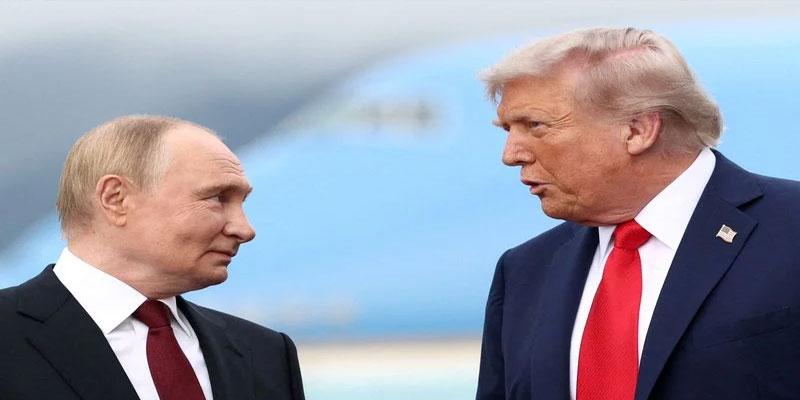
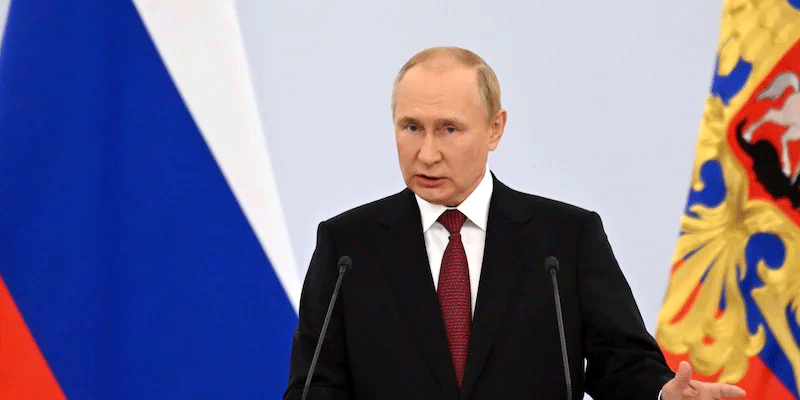
Reports that Russian President Vladimir Putin could consider tactical nuclear weapons as a last resort in Ukraine have renewed fears that the war could enter a far more dangerous phase. However, such reports do not establish that Moscow is preparing an imminent nuclear strike. Russia retains substantial conventional military options, while the political and strategic costs of crossing the nuclear threshold could be enormous.
What the Latest Reports Indicate
Bloomberg, citing people close to the Kremlin, reported that some Russian officials increasingly believe the conflict may require greater escalation if negotiations fail. According to the report, Moscow is currently considering intensified conventional ballistic-missile attacks against Kyiv and critical Ukrainian infrastructure, with tactical nuclear weapons discussed only as an extreme fallback.
The information should be treated cautiously because it comes from anonymous sources rather than a formal Kremlin announcement. Russia has repeatedly used nuclear rhetoric since its full-scale invasion of Ukraine in February 2022, making deterrence and psychological pressure an important part of its broader strategy.
Tactical nuclear weapons: Why They Matter
Tactical, or non-strategic, nuclear weapons are generally designed for battlefield or regional targets rather than long-range attacks on major cities. Their yields can be lower than strategic weapons, but their consequences would still be catastrophic.
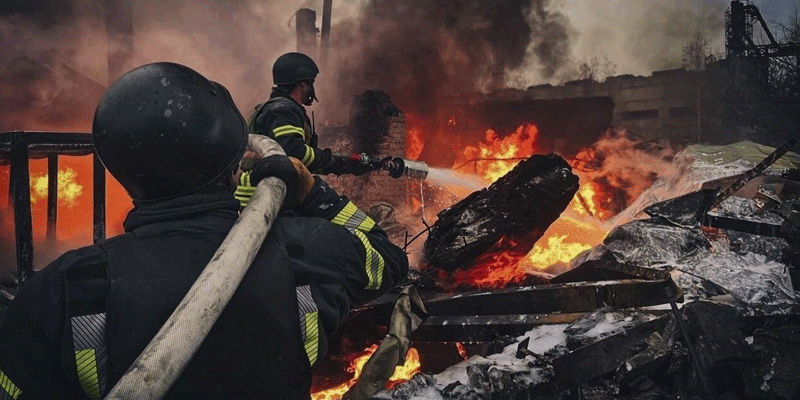
A nuclear explosion could cause mass casualties, radiation exposure, environmental contamination and large-scale displacement. In Ukraine’s dispersed battlefield, its military effectiveness is also uncertain. Destroying a particular military concentration would not necessarily deliver territorial victory or force Kyiv to capitulate.
Tactical Nuclear Threat: Why Putin’s ‘Last Resort’ Would Be a Strategic Gamble
Russia’s revised nuclear doctrine, approved by Putin in November 2024, broadened the circumstances under which Moscow says nuclear weapons could be used, including situations involving a conventional attack judged to create a critical threat to Russian or Belarusian sovereignty and territorial integrity.
The NATO and Global Escalation Risk
Ukraine’s attacks on Russian military and energy infrastructure, combined with expanding Western weapons and intelligence support, have intensified Moscow’s rhetoric about confrontation with NATO. But Russia has simultaneously argued that its conventional forces are advancing and that it has no immediate need for further escalation.
This contradiction reinforces the possibility that nuclear signalling is intended partly to deter Western involvement and influence political calculations rather than announce imminent use. A nuclear strike could instead strengthen Ukrainian resistance, accelerate Western military assistance and raise the possibility of direct confrontation with NATO.
China and India Add Pressure for Restraint
China’s position could be particularly consequential because Beijing remains Russia’s most important strategic and economic partner. Reports that China has conveyed opposition to even considering a tactical nuclear detonation highlight the diplomatic price Moscow could face.
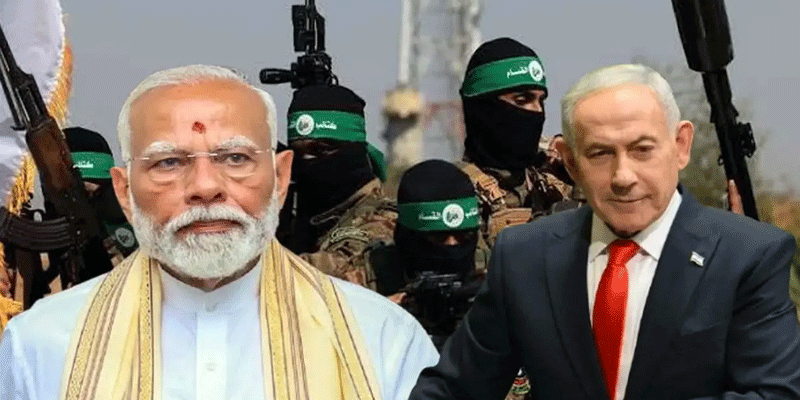
India has likewise consistently advocated dialogue and restraint. Prime Minister Narendra Modi’s earlier message to Putin that “this is not an era of war” reflects New Delhi’s broader position against escalation.
Nuclear Restraint Remains the Critical Red Line
A tactical nuclear strike would not necessarily deliver Russia decisive military gains, but it could fundamentally transform the conflict. It would shatter the nuclear taboo maintained since 1945, deepen Russia’s isolation and create unpredictable escalation risks.
For Putin, therefore, nuclear weapons may remain most powerful as a threat that never needs to be used. The greatest danger is not simply the possibility of a nuclear strike, but the gradual normalisation of nuclear escalation as a tool of conventional warfare. Maintaining diplomatic channels, strategic restraint and credible deterrence remains essential to ensuring that the Ukraine conflict does not cross that historic red line.
(With agency inputs)