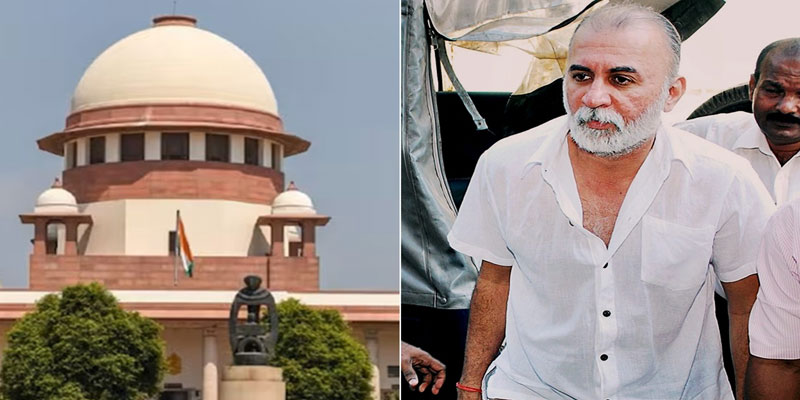
Diwali Relief Denied as Tejpal's Legal Battle Continues
In a setback to former Tehelka editor Tarun Tejpal, the Supreme Court has refused to grant him interim bail for the Diwali period and declined to suspend his 10-year prison sentence in a 2013 rape case. The decision means Tejpal will remain in custody while his appeal against conviction is pending. The order marks another setback in his prolonged legal battle, although the Supreme Court has not yet delivered its final verdict on the merits of his appeal.
The 2013 Goa Sexual Assault Case
Following the complaint, Goa Police registered a case and subsequently arrested him. The allegations triggered widespread debate about workplace safety, professional power and accountability within India's media industry.
The High Court convicted him of rape and related offences and awarded him 10 years of rigorous imprisonment.
Tejpal challenged the conviction and sentence before the Supreme Court on August 20, alleging political vendetta and arguing that the High Court had failed to properly appreciate the evidence. Meanwhile, the Goa government sought enhancement of his sentence to life imprisonment, maintaining that the punishment was inadequate.
Supreme Court Rejects Interim Bail and Sentence Suspension
A bench comprising Justices M.M. Sundresh and Prasanna B. Varale rejected Tejpal's request for temporary release during Diwali and declined to suspend his sentence.
Senior advocate Kapil Sibal, appearing for Tejpal, sought interim relief, arguing that his client should be allowed to spend the festival with his family while the appeal remained pending.
However, the court was not persuaded that the circumstances justified suspending the punishment. Reports indicate that the judges examined the available evidence, including emails and messages, before declining relief.
What Happened Before the Latest Order?
The Supreme Court's latest decision follows a series of developments:
· August 20, 2026: Tejpal approached the Supreme Court challenging his conviction and sentence.
· August 25: The court rejected his request for exemption from surrender and directed him to surrender within three weeks.
· September 14: Tejpal surrendered and entered custody.
· Subsequently: The Supreme Court issued notice to the Goa government on his appeal and scheduled further proceedings.
· November 6: The court refused interim Diwali bail and declined to suspend his sentence.
What Happens Next in the Legal Battle?
The most important development now will be the Supreme Court's examination of the substantive appeal. The judges will consider:
· Whether the High Court correctly evaluated the evidence.
· Whether the reversal of the sessions court's acquittal was legally justified.
· Whether procedural safeguards and principles of criminal justice were followed.
· Whether the conviction and 10-year sentence should be upheld, modified or overturned.
The Goa government's separate demand for enhancement of the sentence to life imprisonment also remains significant.
Accountability and Due Process Must Prevail
The refusal of interim bail reinforces that the pendency of an appeal does not automatically entitle a convicted person to release. At the same time, it does not constitute the final judicial determination of Tejpal's challenge to his conviction. The Supreme Court must now examine the evidence, the High Court's reasoning and the competing legal arguments. The case carries significance beyond an individual journalist's fate, particularly for workplace accountability and the credibility of institutions. Ultimately, the final verdict will have to balance the rights of the convicted individual with the principles of justice, legal scrutiny and accountability in sexual-offence cases.
(With agency inputs)