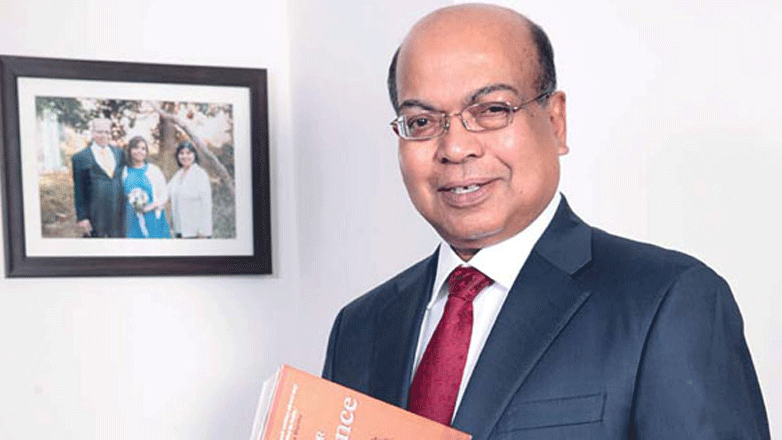
The Trinamool Congress (TMC) appears to be confronting one of the most serious internal crises in its history, with expelled MLA Ritabrata Banerjee claiming the support of 59 legislators from the party’s 80-member Assembly contingent. The dramatic development has sparked speculation about a possible split within the party founded and led by Mamata Banerjee, barely months after its defeat in the 2026 West Bengal Assembly election. If the claims hold, the rebellion could reshape the state's opposition politics and pose a direct challenge to Mamata Banerjee’s authority.
A Party Under Pressure: The Background
The crisis comes against the backdrop of the BJP’s sweeping victory in the 2026 Assembly elections, which pushed the TMC into the opposition for the first time in over a decade. The electoral setback triggered introspection within the party, with several leaders reportedly questioning both the campaign strategy and the leadership’s decisions.
Tensions escalated further as dissatisfaction among legislators and functionaries grew over the party’s post-election direction. What initially appeared to be isolated discontent has now evolved into a full-blown leadership challenge.
What Triggered the Rebellion?
The immediate flashpoint was the expulsion of Ritabrata Banerjee and fellow MLA Sandipan Saha on May 31, 2026, over alleged anti-party activities. The two leaders had publicly questioned documents submitted to the Assembly concerning the appointment of the Leader of the Opposition and the designation of the chief whip.
Both claimed that their signatures had been forged on the documents and denied authorising the submissions. The allegations cast a shadow over the process through which senior TMC leader Sobhandeb Chattopadhyay was recognised as the official Leader of the Opposition.
The expulsions, rather than containing the controversy, appear to have intensified the revolt.
The Numbers Behind the Challenge
At the heart of the political battle is the question of legislative strength. Banerjee has claimed that 59 MLAs support his faction. In an 80-member legislative group, this comfortably exceeds the two-thirds mark of 54 MLAs that is often considered crucial in disputes involving legislative parties.
The rebels have also highlighted the poor attendance at a recent meeting convened by Mamata Banerjee at her Kalighat residence. According to rebel leaders, only 19 legislators attended, while 61 stayed away. They argue that this reflects the erosion of confidence in the current leadership and demonstrates where the majority of the legislative wing stands.
The faction is now reportedly preparing to approach the Speaker, claiming to represent the “real Trinamool Congress” and seeking recognition for Ritabrata Banerjee as the Leader of the Opposition.
Ritabrata Banerjee: An Unconventional Challenger
Ritabrata Banerjee’s political career has traversed multiple ideological and organisational spaces. He began in the CPI(M)’s student wing, the Students’ Federation of India (SFI), eventually becoming its All-India General Secretary. He entered the Rajya Sabha in 2014 but was expelled from the CPI(M) in 2017 amid internal disputes.
Joining the TMC in 2018, he steadily rose within the organisation, serving in key positions before winning the Uluberia Purba Assembly seat in 2026. His emergence as the face of the rebellion marks a remarkable turn in Bengal politics.
Echoes of Maharashtra and an Uncertain Future
The unfolding developments have drawn comparisons with Maharashtra’s 2022 Shiv Sena split, when a rebel faction successfully challenged the party leadership and later secured institutional recognition. Similar questions now loom over the TMC, including who controls the legislative party, who can claim to be the legitimate opposition, and whether the party’s iconic “Twin Flower” symbol could become part of a future dispute.
A Defining Moment for the TMC
The rebellion led by Ritabrata Banerjee has exposed deep fractures within the Trinamool Congress at a time when the party is already grappling with the consequences of electoral defeat. Whether the claims of majority support withstand institutional scrutiny remains to be seen. However, the episode has already raised fundamental questions about leadership, internal democracy and the future direction of Bengal’s principal opposition force. The Speaker’s response, the rebels’ next move and Mamata Banerjee’s ability to regain control could determine whether this remains a temporary revolt or evolves into a historic political realignment in West Bengal.
(With agency inputs)