The United States has approved a proposed $2.1 billion sale of 500 Patriot PAC-3 Missile Segment Enhancement (MSE) interceptors to Ukraine, marking a significant boost to Kyiv’s long-term air-defence requirements. However, the announcement comes with an important caveat: the weapons may take years to arrive. Ukrainian President Volodymyr Zelenskyy welcomed the decision but urged Washington to accelerate deliveries, warning that delayed supplies cannot address the country’s immediate security crisis.
Ukraine’s Growing Air-Defence Challenge
Russia has intensified missile and drone attacks against Ukrainian cities, energy facilities and critical infrastructure. With winter approaching, protecting power networks and civilian populations has become increasingly urgent.
Patriot systems are among Ukraine’s most important defensive assets because their PAC-3 interceptors can engage advanced ballistic missiles. However, supplies remain inadequate. Zelenskyy has said Ukraine received an average of only 12 US Patriot interceptors per month this year, while Russian forces were launching approximately 150 ballistic missiles monthly. This imbalance illustrates the scale of Kyiv’s air-defence challenge.
What the US Has Approved
The US State Department has cleared the possible foreign military sale of:
· 500 PAC-3 MSE interceptors: Advanced missiles designed to strengthen Ukraine’s ability to intercept ballistic threats.
· Related equipment: Supporting components and equipment required for the proposed package.
· Estimated value: $2.1 billion.
Importantly, this approval is not a completed sale. It authorises the next stage of contract negotiations, and no confirmed delivery schedule has been announced.
Who Is Paying and Why It Matters
The financing arrangement is politically significant. Canada, Germany and Norway are contributing through a US programme, supplemented by an European Union loan. Consequently, the proposed purchase will not be directly financed by American taxpayers.
The arrangement demonstrates greater European and Canadian responsibility for Ukraine’s defence while allowing Washington to facilitate the supply of sophisticated American weapons without bearing the entire financial burden.
Zelenskyy's Urgent Demand: Deliver the Missiles Now
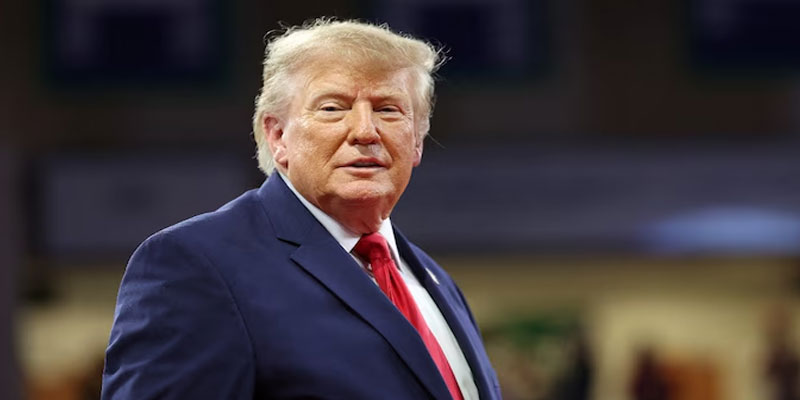
Zelenskyy thanked US President Donald Trump for the approval but expressed concern over the reported delivery timeline. The order reportedly involves newly manufactured interceptors rather than missiles drawn from existing American stockpiles.
Some reports suggest deliveries may not begin until several years into the 2030s. That prospect is deeply concerning for Kyiv, which needs additional interceptors before further Russian attacks damage its cities and energy infrastructure. NATO's top military commander, meanwhile, has maintained that allied-funded weapons deliveries are continuing without delays.
The Bigger Picture: Approval Is Not Immediate Protection
The proposed 500 interceptors represent a substantial long-term commitment, but they cannot resolve Ukraine’s immediate shortage. Limited production capacity, global demand and competing military requirements constrain supplies.
The Real Test Lies in Delivery, Not Approval
The decision strengthens Ukraine’s future defensive capabilities and reinforces international burden-sharing. However, its strategic value will ultimately depend on how quickly the missiles reach Ukrainian forces. For Kyiv, a multi-year promise offers limited protection against attacks taking place today. The immediate challenge is to accelerate production and bridge the gap through available allied stockpiles before another winter exposes Ukraine’s vulnerable air-defence network.
(With agency inputs)