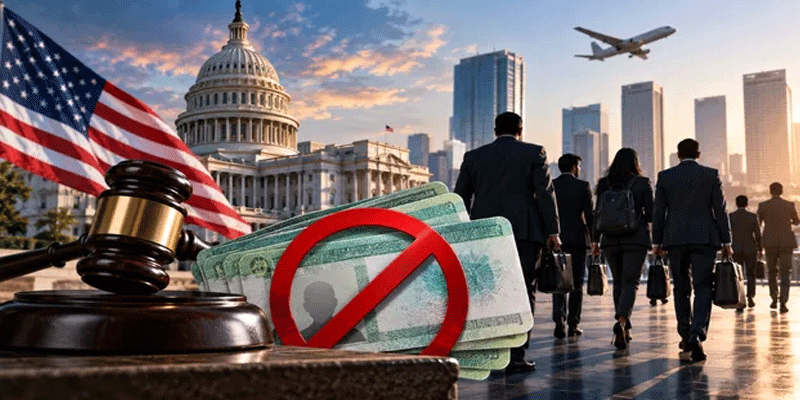
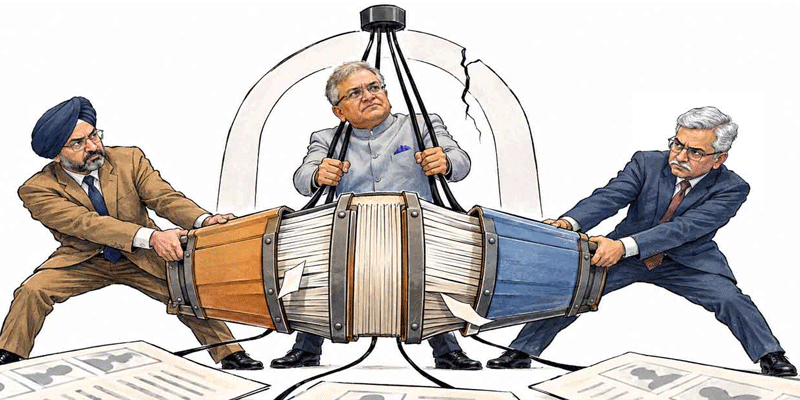
The U.S. government has now been shut down for nearly a full month due to a partisan impasse over extending health insurance subsidies, with 60% of Americans supporting the Democrats’ stance to hold out for the subsidies, according to Reuters/Ipsos polling. Despite public concern about the shutdown—the second-longest in U.S. history—many Americans have yet to feel its full effects.
The shutdown has furloughed approximately 900,000 federal employees, with another 2 million working without pay. Although essential services like Medicare and TSA continue, agencies such as the CDC and NIH have partially or fully suspended operations. Nearly half of Americans worry about disruptions in government payments to retirees and students as the impasse drags on.
Businesses are increasingly affected. Food and beverage companies face the risk of payment delays to consumers relying on government subsidies like SNAP. Regulated industries—from alcoholic beverages to pharmaceuticals—are experiencing delays in approvals and innovations due to staffing shortages. Moreover, as the holiday season approaches, reduced income for millions of federal workers and contractors is expected to dampen consumer spending, impacting the broader economy.
Economic forecasts suggest the shutdown may reduce GDP growth by around 0.1 to 0.2 percentage points weekly, mainly by curbing consumer spending and federal productivity. The government’s inability to resolve the standoff despite multiple Senate attempts prolongs uncertainty, fueling economic risks. Military personnel and law enforcement continue working, but concerns grow over missed paychecks if the shutdown persists past mid-November.
The shutdown highlights the real-world implications of political gridlock on Americans’ livelihoods and the fragile health of the U.S. economy amid critical government funding debates.