A Familiar Voice in a Familiar Arena
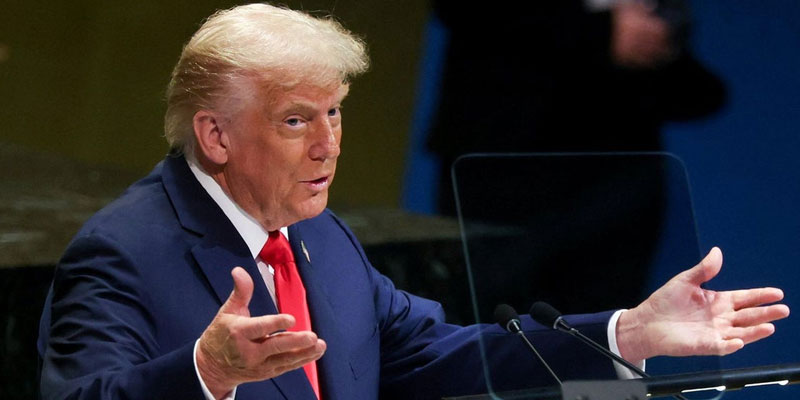
In his much-anticipated return to the United Nations General Assembly, U.S. President Donald Trump delivered a blistering 56-minute address that echoed the combative style of his first term. With world leaders gathered in New York, Trump unleashed criticism against the UN itself, Western allies, and adversaries alike. His rhetoric targeted immigration, climate policies, the Russia-Ukraine war, and the Middle East conflict—presented with the same confrontational flair that has long defined his global diplomacy. While his remarks drew polite applause at their conclusion, the content underscored the stark divide between Trump’s worldview and the prevailing international consensus.
A Scathing View of the UN’s Role
Trump wasted no time disparaging the United Nations, dismissing it as ineffective and out of touch. “What is the purpose of the United Nations?” he asked rhetorically, before accusing the institution of producing “empty words” that fail to resolve conflicts. He even punctuated his disdain with anecdotes about a malfunctioning teleprompter and escalator, using them as metaphors for what he saw as systemic dysfunction. To him, the UN is not a guardian of peace but a facilitator of chaos, particularly through migration policies he claimed endanger Western societies.
Immigration: The Core of Trump’s Rebuke
Migration remained the centrepiece of Trump’s message. He framed global movements of people as an “assault” on Western countries, warning leaders that their nations were “going to hell” if they failed to act. Citing his own administration’s restrictive immigration measures as a template, he urged others to follow suit. Critics, however, quickly noted that many migrants are fleeing conflict and poverty, seeking stability rather than undermining it. Trump nonetheless portrayed immigration as a direct threat to cultural identity and national security, casting himself as a leader who had already proven “really good at this stuff.”
Climate Change: Dismissing Global Consensus
Equally sharp was Trump’s rejection of climate science. Labeling the fight against global warming “the greatest con job ever perpetrated on the world,” he derided efforts to shift away from fossil fuels. His remarks came only days after meeting Britain’s King Charles, a prominent advocate of environmental protection—a contrast that underscored his defiance of mainstream positions. Trump warned that what he called “suicidal energy policies” would be the downfall of Europe, insisting instead on a return to oil, coal, and gas. Scientists worldwide maintain that climate change is human-driven and already accelerating extreme weather, but Trump’s dismissal reinforced his skepticism toward multilateral action.
Ukraine War and Economic Leverage
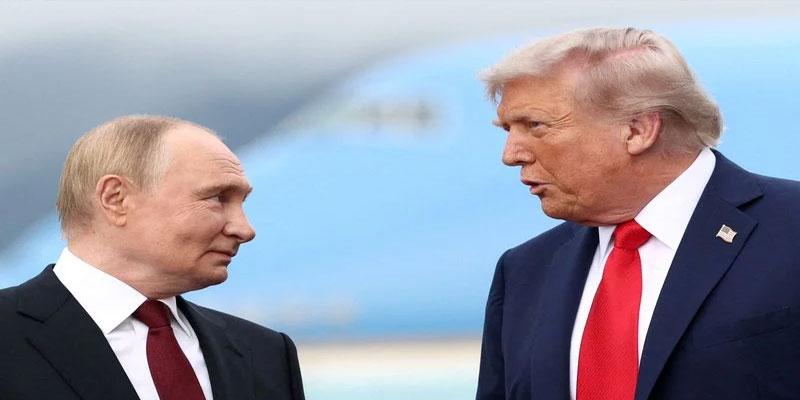
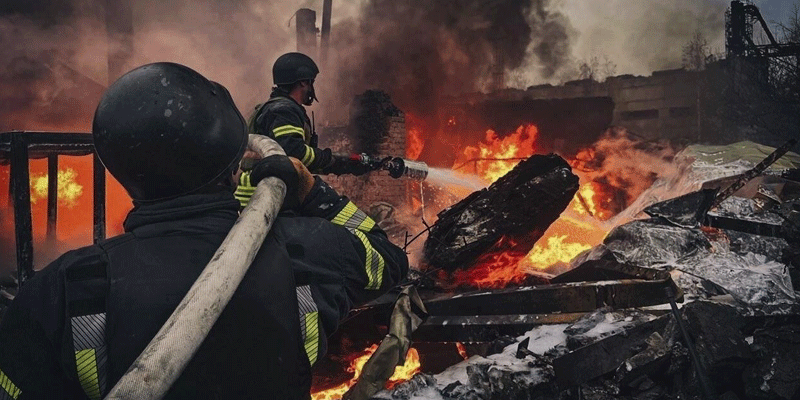
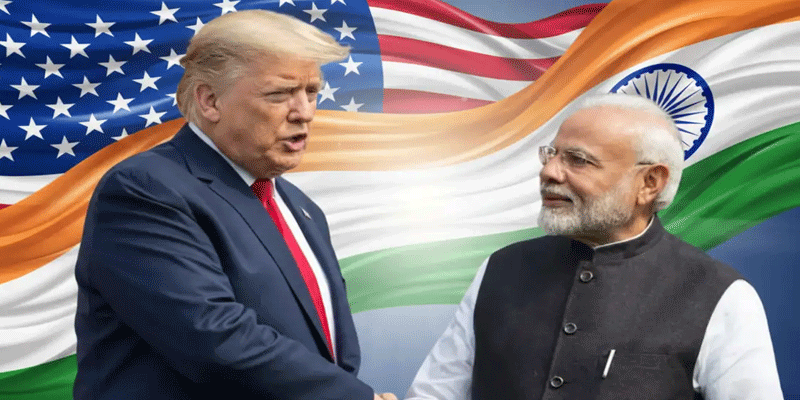
Turning to the conflict in Eastern Europe, Trump criticized NATO allies for continuing to buy Russian oil, arguing they were “funding the war against themselves.” He threatened a new round of tariffs against Moscow if peace negotiations faltered, but insisted such measures would only succeed if Europe mirrored Washington’s policies. This hardline stance extended beyond Russia; Trump floated sanctions on countries like India and China that continue commerce with Moscow. His comments represented both a rebuke of European caution and a test of whether U.S. allies would align with his more confrontational approach.
Israel-Palestine: Rejection of a Two-State Push
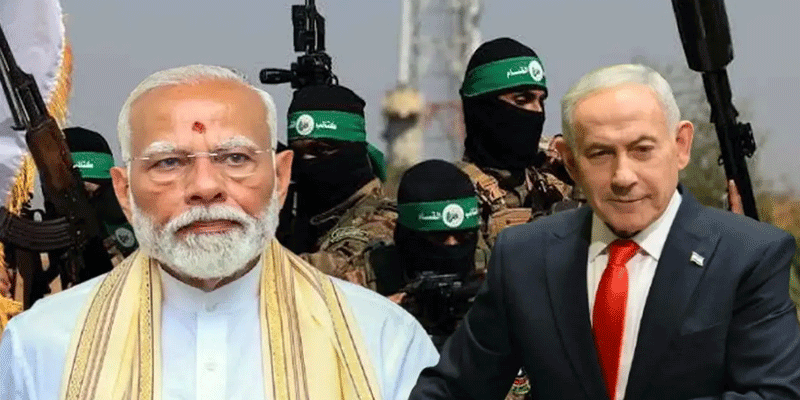
On the Middle East, Trump dismissed growing international support for a Palestinian state. He argued such recognition would unfairly reward Hamas, especially after its recent attacks, and reiterated calls for the release of hostages. Stressing urgency, he demanded immediate negotiations to end the Gaza conflict but stopped short of offering a new framework. Later in the day, he was scheduled to meet Gulf leaders to discuss Gaza’s future, but his refusal to back Palestinian statehood highlighted his alignment with Israel’s hardened stance.
Personal Flourishes and Political Undertones
True to form, Trump peppered his speech with exaggerations and personal grievances. He falsely claimed that London’s mayor seeks to impose Islamic law and prematurely declared victory over inflation in the United States. These flourishes, coupled with anecdotes about broken UN infrastructure, reflected his penchant for mixing policy with showmanship. For Trump, the UN stage was not just a diplomatic forum but a theater to reassert his global relevance and strengthen his image as a disruptor.
The Echoes of an Old Battle
Trump’s return to the UN podium reaffirmed the confrontational worldview that marked his earlier presidency. He challenged international cooperation on climate change, derided migration frameworks, mocked allies over Ukraine, and cast doubt on peace initiatives in the Middle East. While his speech drew limited applause, it resonated with a familiar base that views global institutions as hostile to national sovereignty. Yet the challenge remains: fiery words alone do not resolve wars, stabilize economies, or address climate crises. For all his defiance, Trump left unanswered the pressing question of whether his vision offers solutions—or simply sharpens divisions that the United Nations, however imperfectly, was created to bridge.
(With agency inputs)