A Pivot in U.S. Tech and Hiring Strategy
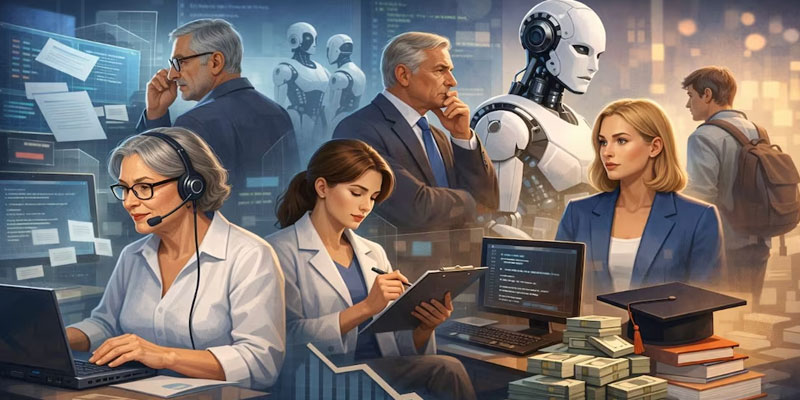
At a high-profile AI Summit in Washington, U.S. President Donald Trump issued a sweeping directive that could reshape the global tech landscape. In a speech laced with nationalist overtones and promises of technological supremacy, Trump urged major American tech companies—such as Google and Microsoft—to stop outsourcing jobs to countries like India and focus instead on hiring domestically. Backed by a trio of new executive orders, this policy marks a bold attempt to fuse patriotism with artificial intelligence strategy, signaling a new era where technological advancement is expected to serve America’s political and economic agenda above all else.
Ending Globalist Hiring: A Call to Prioritize Americans
Donald Trump did not mince words. In front of industry leaders, he condemned what he termed the “globalist mindset” of Silicon Valley, accusing tech giants of exploiting American freedoms while investing abroad. His critique was sharp and directed: U.S. companies, he argued, have built factories in China, outsourced tech jobs to India, and shifted profits to tax havens like Ireland—all while allegedly censoring and ignoring American citizens at home.
“Under President Trump, those days are over,” he declared, urging companies to realign their operations with national interests. “We need US technology companies to be all in for America. We want you to put America first.”
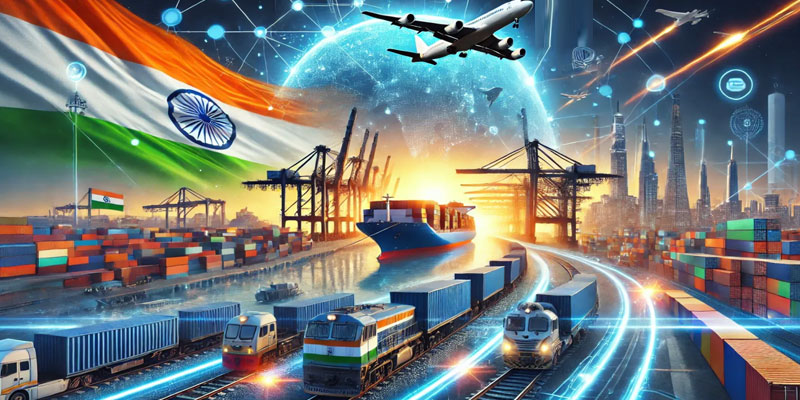
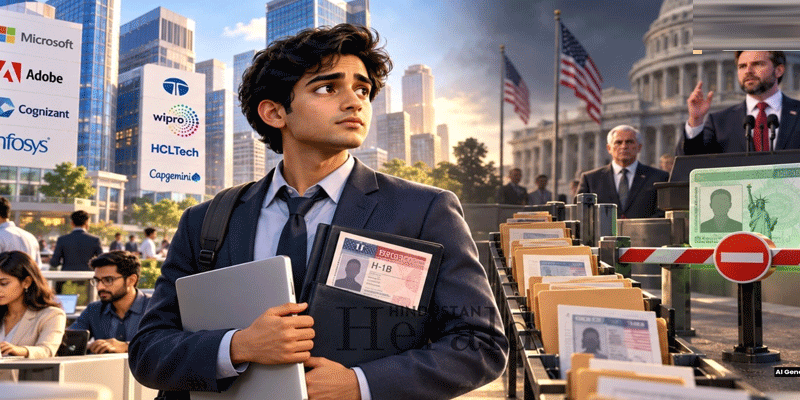
This message sent shockwaves through the Indian IT sector, which has long been a talent hub for global tech firms. If Trump enforces these ideas, the impact on Indian outsourcing firms and tech professionals could be significant.
AI With an Agenda: The Three Executive Orders
Trump’s vision for a tech-centered America was not limited to rhetoric. He unveiled three executive orders designed to turbocharge American AI development while reining in ideological influence.
"Winning the Race": Accelerating U.S. AI Leadership
The first order outlines a national strategy to speed up AI infrastructure development. By easing permitting processes and reducing bureaucratic red tape, the administration hopes to fast-track the construction of data centers and other AI-related facilities. Trump’s message was clear: America must lead, and it must do so with urgency.
Banning "Woke AI" in Government Projects
The second order targets ideological neutrality in AI systems, particularly those developed with federal funds. Trump criticized previous administrations for promoting what he called “woke” agendas, arguing that these policies slowed technological progress. “We are getting rid of woke,” he said. AI models used by government agencies must now be politically neutral and accurate, free from perceived ideological bias.
Promoting AI Exports and Full-Stack Development
The final order focuses on enhancing the global competitiveness of American-made AI tools. The aim is to boost exports and support every stage of AI development—from hardware to software—within the United States. In Trump’s words, “It’s not artificial, it’s genius,” a nod to his belief that AI should reflect American innovation and ingenuity.
Industry Reactions: Applause with a Hint of Caution
Trump’s announcements were met with praise from many corners of the American tech industry. Companies like Palantir, a long-time government partner, hailed the new plan as visionary. “AI is the birthright of the country that harnessed the atom and put a man on the moon,” read a statement from the company. NetChoice, an influential trade group representing firms like Meta, Google, and Amazon, applauded the focus on reducing regulatory burdens and encouraging U.S.-led innovation.
Patrick Hedger, Director of Policy at NetChoice, framed the initiative as a launchpad for a "Golden Age of American innovation," emphasizing energy expansion, global AI adoption, and limited government interference as critical components.
However, experts urged caution, particularly regarding the mandate to create ideologically neutral AI. While removing political bias from AI tools may sound ideal, executing such a mandate could prove technically and ethically complex. Bias in AI often stems from underlying data and social context, and neutralizing it without affecting accuracy or fairness presents a formidable challenge.
Geopolitical Fallout: Implications for India and Beyond
Trump’s America-first doctrine casts a shadow over India’s IT services sector, a key partner in the global tech ecosystem. Indian tech professionals, long considered vital to Silicon Valley’s success, may face tougher immigration hurdles and declining offshore opportunities if these policies are revived. With the U.S. looking to retain more tech talent domestically, outsourcing could be viewed as a threat rather than a solution.
At the same time, Trump's emphasis on exporting American AI creates tension internationally. By using terms like “dominance,” the U.S. risks alienating partners who may be wary of aligning too closely with a nation pushing for unilateral control over a global resource.
The Return of Tech Nationalism
Trump’s AI policy rollout marks a decisive turn toward tech nationalism, blending job protectionism with aspirations for global AI supremacy. By pressuring companies to hire Americans and stripping federal AI projects of ideological leanings, Trump is redrawing the boundaries between innovation, politics, and patriotism.
Whether this strategy delivers the promised outcomes remains to be seen. But one thing is certain: should these policies take hold, the tech world—and the global talent pool that fuels it—may never look the same again.
(With agency inputs)