FSSAI Redefines High-Caffeine Drinks, Shakes Up Beverage Industry
Major Beverage Giants Ordered to Drop ‘Energy Drink’ Label
In a significant regulatory move, India's food safety regulator has directed leading beverage companies, including PepsiCo, Red Bull, Monster, Reliance Consumer Products and Hell Energy, to remove the term "energy drink" from the packaging and promotion of their high-caffeine beverages. The Food Safety and Standards Authority of India (FSSAI) has reportedly provided companies with a 90-day compliance window, signalling a major shift in how these products can be marketed in the country. The decision does not prohibit the sale of such beverages but seeks to redefine the language used to promote them, prioritising consumer protection and accurate product representation over marketing claims.
Why FSSAI Has Taken This Step
The regulator's action stems from the fact that India's food safety regulations do not formally recognise "energy drink" as a separate food category. Despite this, several manufacturers have marketed their products using terms that imply enhanced energy, alertness and improved performance.
FSSAI has maintained that promotional claims such as "vitalises body and mind" or "boosts energy levels" can be misleading when associated with food products, particularly those containing high levels of caffeine and sugar. Instead of focusing solely on individual advertisements, the regulator has concluded that the very use of the phrase "energy drink" may create a misleading impression about the health and functional benefits of these beverages.
A Regulatory Shift with Major Commercial Implications
The decision has significant commercial implications for one of India's fastest-growing beverage segments. Industry estimates suggest that the country's high-caffeine beverage market could reach US$1.6 billion by 2028, making branding and consumer recognition critical competitive advantages.
For globally recognised brands such as Red Bull and Monster, the term "energy drink" is not merely a product description but the foundation of their global brand identity. If companies are compelled to remove this terminology from packaging and advertising, they may need to reposition their products around measurable characteristics such as caffeine content, flavour, refreshment or functional ingredients instead of lifestyle-oriented energy claims.
Industry Faces Branding and Compliance Challenge
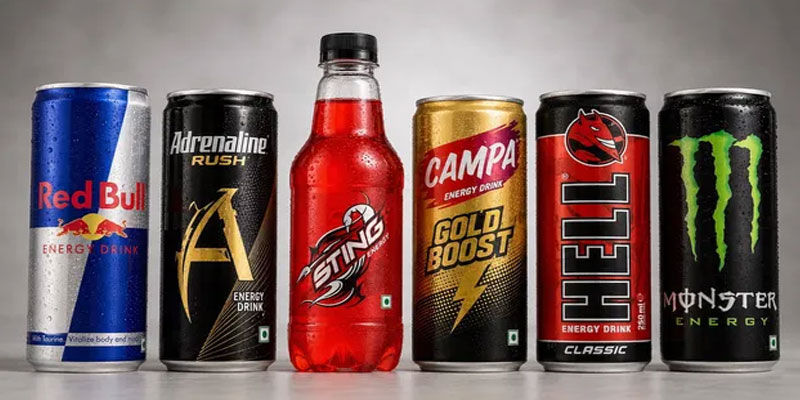
The order covers several leading products, including Red Bull Energy Drink, PepsiCo's Adrenaline Rush, Sting, Reliance Consumer Products' Campa Energy Drink, Hell Energy and Monster Energy.
According to reports, some manufacturers have sought additional time to comply, arguing that removing the category name could confuse consumers and weaken years of established brand equity. However, regulators have reportedly maintained their position. Enforcement has already begun in certain jurisdictions, with local authorities seizing non-compliant products while e-commerce platforms have been instructed to discontinue promoting these beverages under the "energy drink" category.
Latest Developments: Transition Underway
The latest reports indicate that FSSAI issued notices earlier this month before granting companies a 90-day compliance period to modify labels and marketing material. While the regulator has clarified that companies remain free to challenge the decision through legal channels, there is currently no indication of any policy reversal.
The industry's immediate challenge is deciding whether to simply rename products or undertake a broader overhaul of branding, packaging and consumer messaging to align with the revised regulatory framework.
Transparency Over Marketing: A New Industry Standard
FSSAI's latest directive represents more than a labelling change—it reflects a broader regulatory philosophy that places consumer awareness and truthful marketing at the centre of food regulation. Rather than banning high-caffeine beverages, India is redefining how they are presented to consumers by ensuring that promotional language does not imply unverified health or performance benefits. As companies adapt to the new compliance regime, the beverage industry may witness a fundamental shift from aspiration-driven branding to transparency, regulatory compliance and informed consumer choice, setting a new benchmark for responsible food marketing in India.
(With agency inputs)