Nationwide Shutdown Call Ahead of Labour Protests
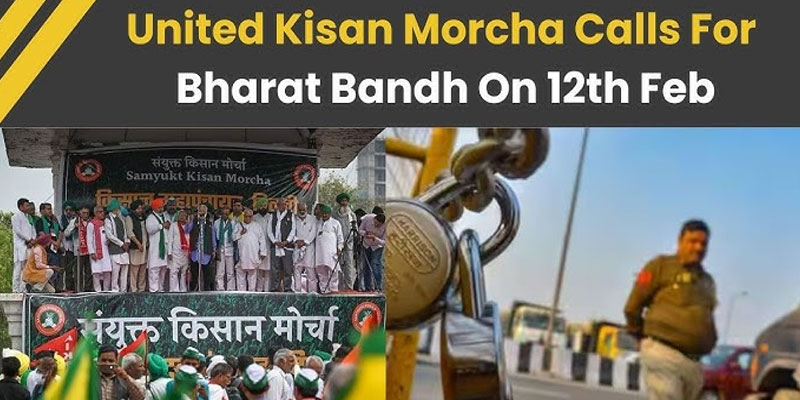
India is preparing for a nationwide shutdown tomorrow as major trade unions and farmer groups mobilise for a Bharat Bandh, with organisers claiming participation from more than 30 crore workers. The strike is expected to disrupt banking, transport, and public services across several states, reflecting growing tensions over labour reforms and broader economic policies. Authorities anticipate varying levels of impact, with some regions likely to see extensive demonstrations and road blockades.
A Convergence of Labour and Political Discontent
The planned shutdown comes amid rising discontent among trade unions over the government’s labour reforms, which aim to modernise employment regulations but are viewed by critics as weakening worker protections. With support from farmer organisations and other civil society groups, the protest represents one of the largest coordinated industrial actions in recent years. It also signals an attempt by unions to reassert their influence in a rapidly changing economic landscape marked by privatisation, contractual employment, and digitalisation.
The Four Labour Codes at the Centre of the Protest
The central demand of the strike revolves around four labour codes introduced to consolidate nearly 30 existing labour laws into a streamlined framework. Supporters say the reforms simplify compliance and encourage investment, while unions argue they dilute long-standing protections.
· Code on Wages: This legislation seeks to standardise minimum wages and ensure timely payment across sectors. Critics contend that its provisions may allow greater flexibility for employers in structuring wages, potentially weakening existing safeguards for workers in the informal sector.
· Industrial Relations Code: This code raises the threshold for layoffs and closures requiring government approval and formalises fixed-term employment. Trade unions argue that these changes make it easier for companies to hire and dismiss workers, while also imposing stricter conditions on strikes and union activities.
· Code on Social Security: Designed to extend benefits to gig and platform workers, the code proposes broader coverage under provident fund and insurance schemes. However, unions claim that certain eligibility requirements and implementation uncertainties could leave many workers outside the safety net.
· Occupational Safety, Health and Working Conditions Code: This framework merges regulations on workplace safety, working hours, and welfare measures. Critics say higher thresholds for regulatory oversight and expanded working-hour flexibility may weaken enforcement in smaller establishments.
Potential Impact and Wider Implications
The Bharat Bandh is expected to affect public sector banking, transport networks, and government offices in several states. Essential services such as healthcare and emergency utilities are likely to remain operational. The scale of participation claimed by organisers suggests significant disruption, though the actual impact will vary regionally.
Economists note that prolonged industrial action could affect productivity and financial transactions, but they also point out that digital banking and private-sector operations may cushion the blow. Politically, the strike may intensify debates over labour reforms and influence future negotiations between unions and the government.
A Test of Reform and Representation
The nationwide protest underscores the tension between economic reform and worker protection in India’s evolving labour market. While the government maintains that the new codes are necessary for growth and job creation, unions view them as a rollback of hard-won rights. The Bharat Bandh will serve as a measure of labour mobilisation strength and public sentiment. Ultimately, the challenge for policymakers lies in balancing competitiveness with social safeguards, ensuring that reforms are both economically viable and socially acceptable.
(With agency inputs)