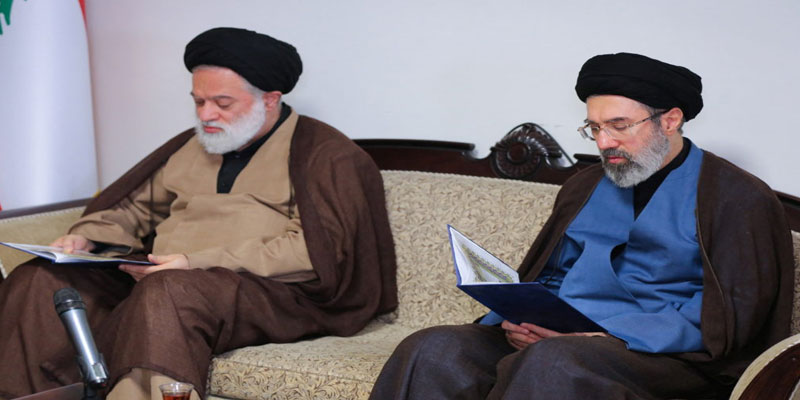
Reports emerging from Iranian opposition circles claim that even in his final directives, Iran’s long-time Supreme Leader Ali Khamenei opposed the idea of his son Mojtaba Khamenei succeeding him. According to sources such as opposition figure Khosro Isfahani, the elder Khamenei explicitly warned against dynastic succession in his will, arguing that Mojtaba lacked both political experience and an independent power base.
Despite that directive, Mojtaba has now reportedly emerged as Iran’s new Supreme Leader—an outcome critics say reflects not clerical consensus but the growing dominance of the Islamic Revolutionary Guard Corps (IRGC).
A Succession Marked by Controversy
Under Iran’s constitution, the Supreme Leader is selected by the Assembly of Experts, an 88-member body of clerics. However, insiders claim Mojtaba failed to secure a clear majority vote during the process.
Reports suggest that pressure from the IRGC forced several members to boycott or fall in line, effectively railroading the decision. Senior Iranian sources told international media that the Guards viewed Mojtaba as a pliable figure who could serve their strategic agenda more readily than a more independent cleric.
This alleged intervention marks a major shift in Iran’s political structure. Traditionally, clerical legitimacy has been central to leadership selection in the Islamic Republic. In this case, critics argue, military influence appears to have overridden religious consensus.
Why the IRGC Backed Mojtaba
The IRGC is widely regarded as Iran’s most powerful institution, combining military strength with vast economic and political influence. For the Guards, Mojtaba represented a leader closely tied to their networks but lacking the independent authority his father built over decades.
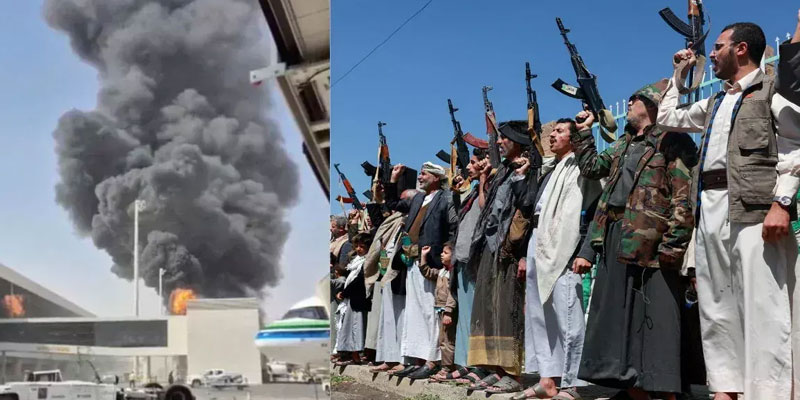
Unlike Ali Khamenei, who often balanced ideological hardliners with pragmatic diplomacy during years of sanctions, Mojtaba has largely operated behind the scenes. Analysts say this makes him more likely to endorse aggressive strategies favored by IRGC factions, including support for proxy groups in Yemen, Lebanon, and Syria.
The result could be a more confrontational Iranian foreign policy. Tensions with the United States and Israel may intensify, especially amid speculation that the elder Khamenei’s death followed U.S.–Israeli military strikes.
Domestic Implications: Tighter Control at Home
At home, Mojtaba’s leadership could mean harsher repression. Critics point to his alleged involvement in suppressing the 2022 anti-government protests, suggesting a continuation—or escalation—of surveillance, arrests, and executions targeting dissent.
The IRGC’s strengthened role also signals a deeper transformation within Iran’s system: a shift from clerical governance toward what some analysts describe as a praetorian state dominated by military elites.
Public Reaction: Support, Skepticism and Anger
Public reactions within Iran appear sharply divided.
State-organized rallies in cities such as Tehran, Qom, and Mashhad featured pro-regime supporters waving flags and praising Mojtaba as the rightful heir to his father’s revolutionary legacy. Iranian state television broadcast chants of loyalty and testimonials describing him as the “most deserving” leader.
Yet outside official narratives, skepticism and hostility are widespread. Some residents told international media that the leadership change would bring no reforms. One Tehran resident said the country would continue down “the same route—perhaps even worse.”
More openly hostile reactions have also surfaced. Videos circulating online captured citizens shouting “Death to Mojtaba,” reflecting anger at what many see as an imposed, hereditary succession.
Iranian activists, including Sheyda Rahbari, warned that Mojtaba could pose an even greater threat to civil freedoms than his father.
A Turning Point for the Islamic Republic
Mojtaba Khamenei’s ascent represents more than a leadership change—it signals a profound shift in Iran’s political balance. The alleged side-lining of clerical authority in favor of IRGC influence suggests that the Islamic Republic may be entering a new phase dominated by military power rather than religious consensus.
In the short term, this transition could produce a more assertive and ideologically rigid Iran at home and abroad. But in the long run, defying even the late Supreme Leader’s reported wishes risks deepening internal divisions and eroding the regime’s legitimacy—pressures that could shape Iran’s stability for years to come.
(With agency inputs)