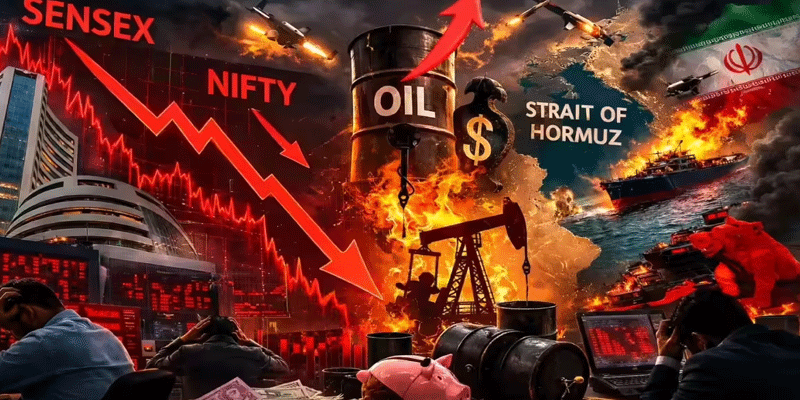
Indian equity markets plunged sharply on March 9, 2026, after escalating conflict in West Asia triggered a surge in global crude prices and rattled investor sentiment worldwide. The benchmark BSE Sensex crashed 2,344.63 points (2.97%) to close at 76,574.27, after hitting an intraday low of 76,573.01. The Nifty 50 tumbled 703.15 points (2.88%) to 23,747.30, slipping well below the 23,800 mark. The sell-off reflected growing fears that geopolitical tensions could disrupt global oil supplies and destabilize emerging markets like India that rely heavily on imported crude.
West Asia War Triggers Global Oil Shock
The immediate trigger for the market rout was the rapid escalation in hostilities involving the United States, Iran, and Israel. Reports of airstrikes near Tehran and mounting tensions around the Strait of Hormuz — a strategic corridor through which nearly 20% of global crude shipments pass — sparked concerns about supply disruptions.
Oil markets reacted swiftly. Brent crude surged toward $83 per barrel, marking an 18% jump over recent sessions. For India, which imports more than 80–85% of its crude oil needs, the spike represents a major external shock. The market turbulence also builds on earlier volatility; during the March 2–4 trading sessions, the Sensex had already shed over 2,000 points cumulatively amid rising geopolitical risks.
Sectoral Bloodbath and Market Panic
The shock rippled across Dalal Street, triggering broad-based selling. Banking, infrastructure, automobile, and aviation stocks led the decline, as these sectors are particularly sensitive to higher fuel costs and inflationary pressures.
Higher oil prices increase transportation and manufacturing costs, compress corporate margins, and weaken consumer demand. Market breadth reflected the panic: 48 Nifty stocks declined while only two advanced. The fear gauge, India VIX, surged 23% to 21.6, indicating a sharp spike in volatility and investor anxiety.
The sell-off was not limited to India. Asian markets such as Japan’s Nikkei and South Korea’s Kospi also fell as investors fled riskier assets. Safe-haven demand surged, pushing gold prices to around $5,200 per ounce.
Inflation and Economic Risks for India
Rising oil prices pose a significant macroeconomic challenge for India. A 10% increase in global crude prices can directly raise the Wholesale Price Index (WPI) by 0.7–1%, with indirect effects pushing the overall impact close to 1% through higher transport and manufacturing costs.
On the consumer side, inflation pressures intensify quickly. Oil products account for about 6.8% of the Consumer Price Index (CPI) basket, meaning every $10 per barrel rise in crude can increase CPI inflation by roughly 30–40 basis points. With Brent already hovering in the $83–85 range, inflation risks could push CPI closer to 5–6%, potentially forcing the Reserve Bank of India (RBI) to tighten monetary policy.
Current Account and Growth Pressures
The oil shock also threatens India’s external balance. A permanent 10% rise in crude prices could inflate the country’s oil import bill by about $18 billion annually, or roughly 0.5% of GDP. Similarly, a $10 per barrel increase may widen the current account deficit (CAD) by $14–15 billion, equivalent to 36 basis points of GDP.
Such pressure typically weakens the rupee — already hovering near ₹92 per US dollar — and fuels imported inflation. At the same time, rising energy costs dampen economic activity. Economists estimate that every $10 per barrel sustained increase could shave 0.25–0.27 percentage points off India’s GDP growth, potentially lowering FY27 growth toward 6% from a 7% baseline if prices spike sharply.
Fiscal pressures may also mount as the government balances fuel subsidies, inflation management, and infrastructure spending.
Volatility Until Oil Stabilizes
Despite the grim outlook, some buffers remain. India’s ample foreign exchange reserves, strategic petroleum reserves, and policy tools provide short-term protection against external shocks. Over the long term, ethanol blending, renewable energy expansion, and diversification of energy imports could reduce vulnerability to oil price swings.
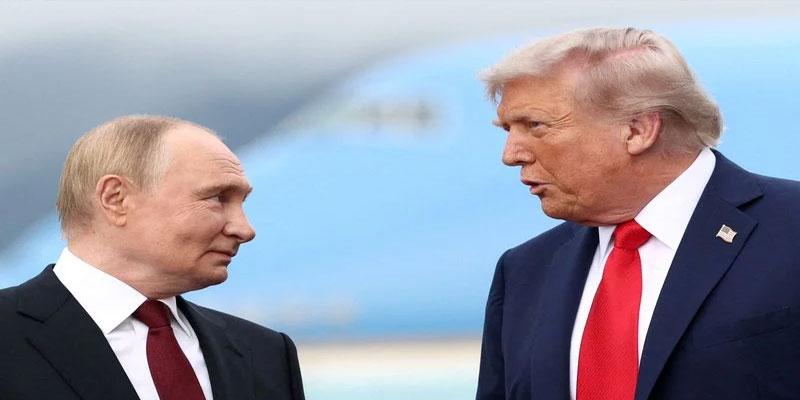
For now, however, markets remain hostage to geopolitics. Until tensions ease and oil stabilize below the $80-mark, volatility is likely to persist. Investors will closely watch diplomatic signals — particularly from Washington under President Donald Trump — for any signs of de-escalation.
In the immediate term, oil-sensitive sectors may remain under pressure, while energy exploration companies could see marginal gains. But the broader message from markets is clear: in an interconnected global economy, geopolitical shocks can swiftly translate into financial turbulence — and India, as a major oil importer, sits squarely in the crosscurrents.
(With agency inputs)