A Swift Exit in Sight
US President Donald Trump has indicated that American military operations against Iran could conclude within “two to three weeks,” suggesting a rapid wind-down of what has been framed as a decisive campaign. The remarks point to a strategic shift: from prolonged engagement to a swift declaration of success under Operation Epic Fury, even in the absence of a formal agreement with Tehran.
Timeline Without a Deal
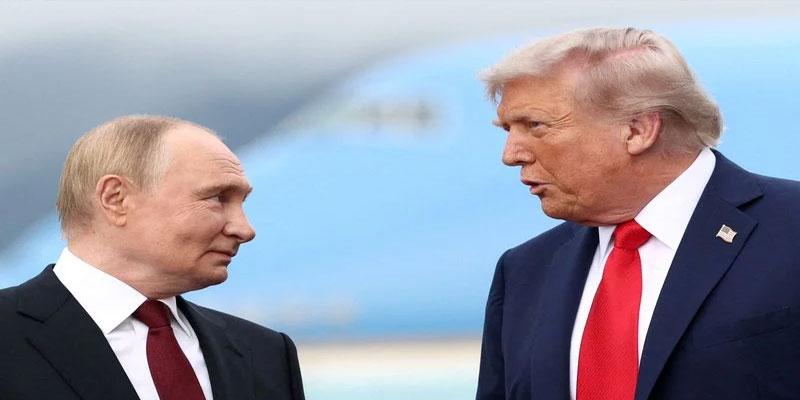
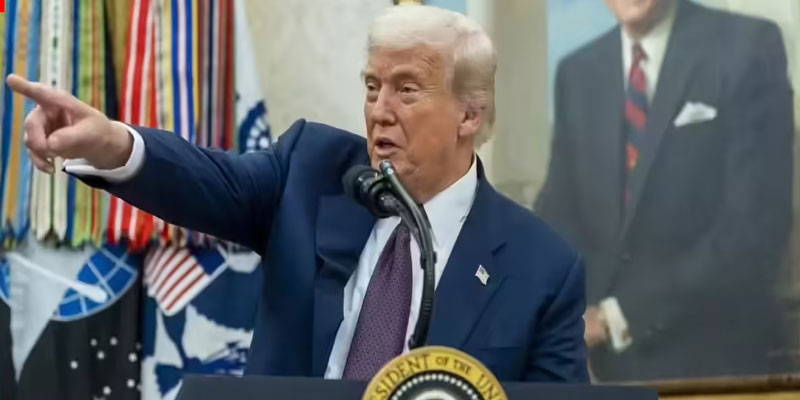
Speaking from the White House, Trump emphasized that the US had largely achieved its military objectives and would “be leaving very soon.” Notably, he decoupled the withdrawal timeline from any binding deal with Iran, marking a departure from earlier positions that linked the end of operations to dismantling Tehran’s nuclear capabilities. Instead, the focus now appears to be on inflicting sufficient damage—crippling Iran’s military infrastructure and delaying its nuclear ambitions—before exiting unilaterally.
Hormuz Tensions and Strategic Retrenchment
Even as Washington signals withdrawal, tensions in the Strait of Hormuz have escalated. Iran’s actions—effectively halting tanker traffic through warnings and attacks—have disrupted one of the world’s most critical energy chokepoints. Yet Trump has made it clear that the US will not indefinitely safeguard the passage, urging allied nations to “go get your own oil.”
This stance underscores a broader recalibration of US commitments: a move away from being the default guarantor of global energy security toward a more transactional approach. For energy-importing nations, particularly in Asia and Europe, this signals the need to reassess both supply chains and security dependencies.
Diverging Allies, Emerging Risks
The US push for a quick exit contrast sharply with the position of Benjamin Netanyahu, who has vowed to continue operations against Iran’s military and proxy networks. For Israel, the conflict is not a short campaign but an ongoing effort to neutralize long-term threats. This divergence reveals cracks within the coalition, with Washington seeking closure while its key ally prepares for sustained confrontation.
From Tehran’s perspective, the situation may reinforce a strategy of endurance. Surviving intense strikes while avoiding capitulation allows Iran to project resilience, potentially emboldening it to test limits once US forces withdraw—whether through proxy engagements or incremental nuclear advances.
Strategic and Economic Implications
Trump’s compressed timeline does not equate to immediate stability. Even if US operations cease, the risks surrounding the Strait of Hormuz and broader regional tensions are likely to persist. For countries like India, heavily dependent on Gulf energy flows, the implications are significant: prolonged supply disruptions, elevated shipping costs, and continued market volatility.
At a strategic level, the US appears focused on avoiding a prolonged entanglement rather than shaping a stable post-conflict order. This reflects a broader shift in global power dynamics, where military interventions are increasingly calibrated for speed and cost rather than long-term regional restructuring.
Conclusion: A Fast War, A Fragile Aftermath
Trump’s “two-to-three-week” horizon encapsulates a defining tension: the desire for a quick, decisive military outcome versus the reality of enduring geopolitical complexities. While the US may achieve a rapid operational exit, the underlying conflicts—regional rivalries, energy vulnerabilities, and unresolved strategic ambitions—will outlast the timeline. The likely result is not closure, but a fragile and uncertain equilibrium, where the consequences of a short war unfold over a much longer horizon.
(With agency inputs)