A Long Conflict Ahead, and a Test for India
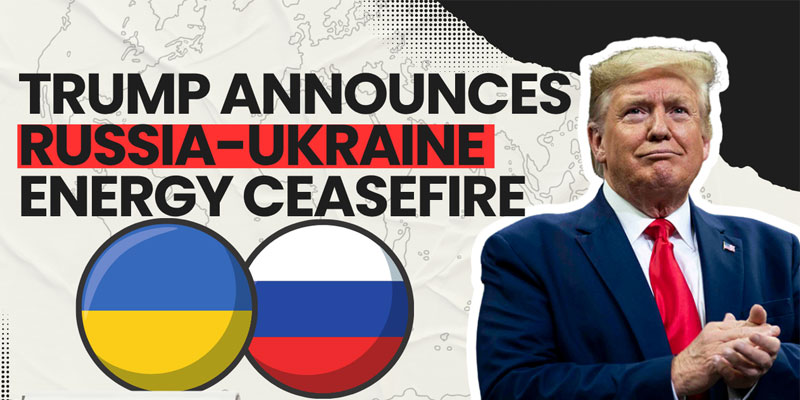
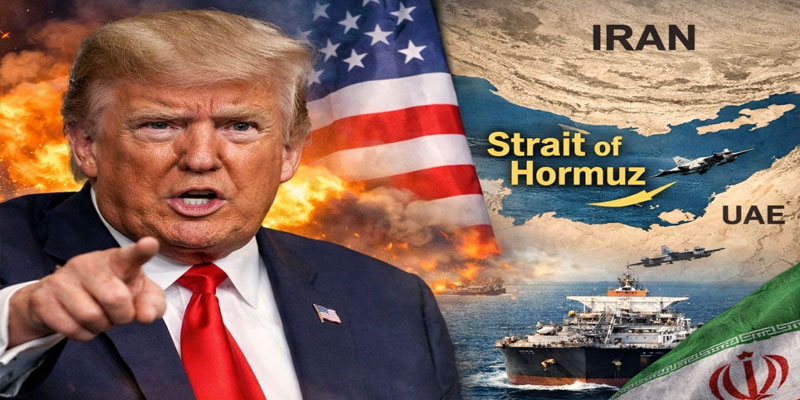
In a forceful 18-minute address, Donald Trump laid out Washington’s evolving stance on the West Asia conflict—one marked by resolve, escalation readiness, and no immediate endgame. Key takeaways from the speech are stark: the war is far from over, concessions from Iran are unlikely in the near term, and the United States is prepared to intensify pressure if required.
For India, the message is clear—prepare for a prolonged period of geopolitical instability, energy volatility, and supply-chain stress.
No Clear Timeline, only a Prolonged Conflict
One of the most striking aspects of Trump’s speech was the absence of a concrete timeline for ending the war. Instead, the emphasis was on sustained pressure targeting Iran’s military and nuclear infrastructure. This suggests that Washington is bracing for a drawn-out confrontation rather than a quick resolution.
For India, this translates into a “long-haul” scenario where elevated oil and gas prices could persist over multiple quarters, complicating inflation management and fiscal planning.
Ongoing Negotiations: Pressure Without Concessions
While diplomatic channels remain open, Trump’s tone indicates that negotiations with Iran are unlikely to yield immediate breakthroughs. The strategy appears to be one of coercive diplomacy—maintaining dialogue while simultaneously escalating military and economic pressure. This dual-track approach reduces the probability of a swift ceasefire, increasing uncertainty in global markets. India, which depends heavily on stable external energy supplies, must therefore prepare for continued volatility rather than a negotiated calm.
Escalation Warning and the Hidden Card
Trump’s warning of potential strikes on Iran’s power infrastructure signals a dangerous escalation ladder. Targeting critical civilian systems like electricity and water could trigger severe humanitarian consequences and provoke strong retaliation. Equally significant is his reference to extracting enriched nuclear material from Iran—an indication of possible covert or high-risk ground operations. This “card up his sleeve” suggests that the conflict could enter a more aggressive and unpredictable phase, further destabilising the region.
Strait of Hormuz: The Strategic Flashpoint
At the heart of the crisis lies the Strait of Hormuz, through which a significant portion of the world’s oil and LNG supplies pass. While Trump reiterated the US commitment to keeping the route open, the risk of partial disruptions—through mines, drones, or proxy attacks—remains high.
For India, which sources a large share of its energy imports via this corridor, even limited instability can drive up costs, insurance premiums, and supply uncertainties. The country’s strategic petroleum reserves provide a temporary buffer, but structural vulnerabilities persist.
What India Must Prepare For
India’s response must be both immediate and strategic. In the short term, managing fuel prices, ensuring supply continuity, and shielding sensitive sectors like fertilisers and transport will be critical. Over the medium term, the crisis reinforces the urgency of diversifying energy sources, expanding renewable capacity, and securing long-term LNG contracts. Strengthening maritime security coordination—without overextending militarily—will also be key to safeguarding trade routes.
A Defining Strategic Moment
Trump’s speech underscores that the Iran conflict is no longer a transient disruption but a defining geopolitical reality. With no quick resolution in sight and escalation risks rising, India faces a complex challenge: balancing economic stability with strategic autonomy. The coming months will test New Delhi’s ability to navigate uncertainty, adapt to shifting energy dynamics, and turn crisis into an opportunity for long-term resilience.
(With agency inputs)s