India’s passenger vehicle industry is witnessing a major strategic transformation as automakers sharply increase investments in electric mobility. In a significant push towards cleaner transportation, car manufacturers are expected to channel more than ₹24,000 crore into electric vehicle expansion over the current and next financial year. The investment marks a decisive shift in the country’s automotive landscape, reflecting growing confidence that electric cars are moving beyond a niche market and steadily entering the mainstream consumer segment.
Massive Capital Push Towards Electric Vehicles
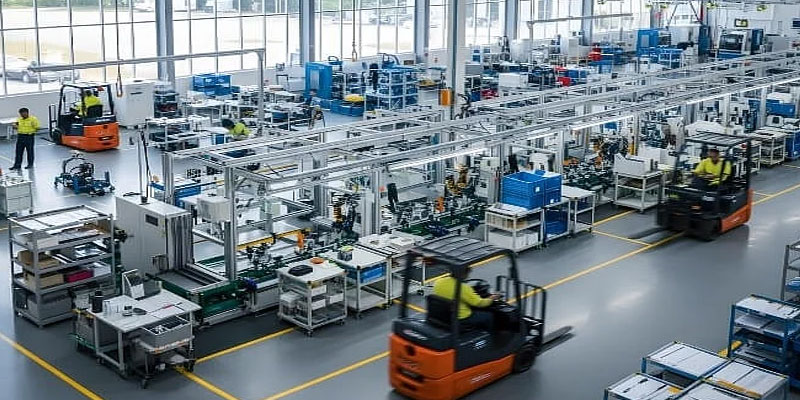
According to industry estimates, over 40% of the sector’s planned capital expenditure of nearly ₹60,000 crore during the two-year period will be directed toward electric vehicles. The investments will primarily focus on expanding EV portfolios, localising supply chains, and increasing manufacturing capacity.
Automakers are preparing to launch several new electric models while simultaneously building domestic ecosystems for batteries, components, and charging technologies. The strategy is aimed at reducing dependence on imports and bringing down overall production costs over time.
The investment wave highlights how Indian manufacturers are repositioning themselves to compete in a future where electric mobility is expected to dominate urban transportation.
What Is Driving the EV Transition?
One of the key factors accelerating EV adoption is improving ownership economics. Over the last two financial years, acquisition costs for electric vehicles have reportedly declined by 10–15%, supported by product innovation and economies of scale.
Another major driver is the widening range of vehicle choices available to consumers. Indian automakers are expected to introduce nearly a dozen new electric models in 2025, many of them targeting premium and mid-premium categories. Despite slowing demand in some international markets, EV sales in India have continued to grow by nearly 20%, indicating sustained domestic interest.
Technological advancements are also contributing to the momentum. Improvements in battery efficiency, driving range, and vehicle performance are gradually addressing earlier concerns associated with electric mobility.
Growth Potential and Industry Challenges
India’s electric vehicle penetration has risen sharply from just 0.7% of total vehicle sales in 2020 to over 6% in 2024. Nearly five million EVs are currently registered across the country, while the government has set a target of achieving 30% EV penetration by 2030.
However, the transition is not without challenges. Ratings agency Crisil has cautioned that increasing electric vehicle sales may initially reduce profit margins for manufacturers. High fixed costs, limited production scale, and aggressive pricing strategies are expected to weigh on profitability in the near term.
Industry experts believe margins will improve gradually as production volumes rise and operational efficiencies strengthen. Importantly, most automakers continue to benefit from strong revenues generated by their traditional internal combustion engine vehicle portfolios, which are helping support the EV transition financially.
Policy Support and Recent Developments
Government policy has played a central role in accelerating electric mobility. Initiatives such as the FAME-II scheme, the Advanced Chemistry Cell Production Linked Incentive programme, and the PM-E-DRIVE initiative launched in 2024 have encouraged domestic EV manufacturing and infrastructure development.
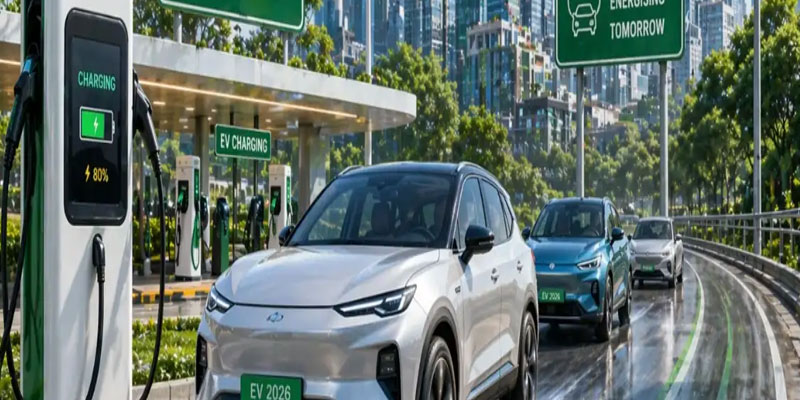
At the same time, low GST rates, road tax incentives, and increasing investments in charging infrastructure are helping create a more supportive ecosystem for consumers and manufacturers alike.
India’s Automotive Industry Enters a Transformational Era
The ₹24,000 crore investment push signals more than just a short-term business strategy; it reflects a structural transformation of India’s automotive sector. While profitability challenges and infrastructure gaps remain, automakers are clearly positioning themselves for a future shaped by sustainable mobility and technological innovation. As electric vehicles become increasingly integrated into everyday transportation, India’s EV transition is steadily evolving from policy ambition into industrial reality.
(With agency inputs)