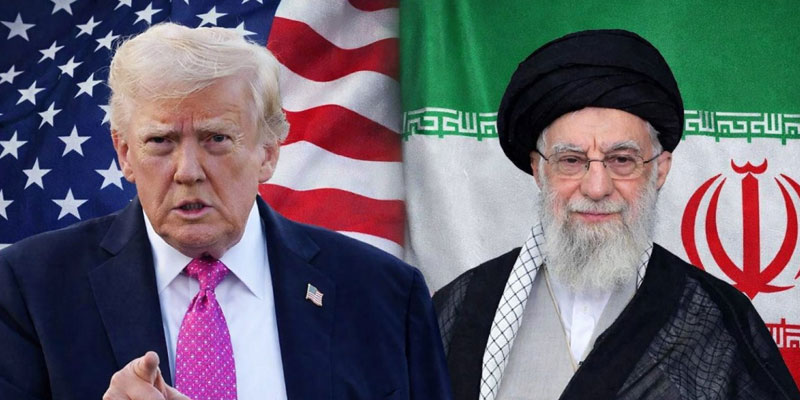
US President Donald Trump has claimed that senior Iranian leaders contacted him “directly” following recent American airstrikes and urged Washington to halt its bombing campaign. However, Iran swiftly rejected the assertion, calling it a “sheer lie” and insisting that no communication had taken place between Tehran and the White House. The conflicting narratives have further intensified tensions as both countries exchange military threats amid one of the most dangerous escalations in the Middle East in recent years.
Trump’s Claim and Iran’s Sharp Denial
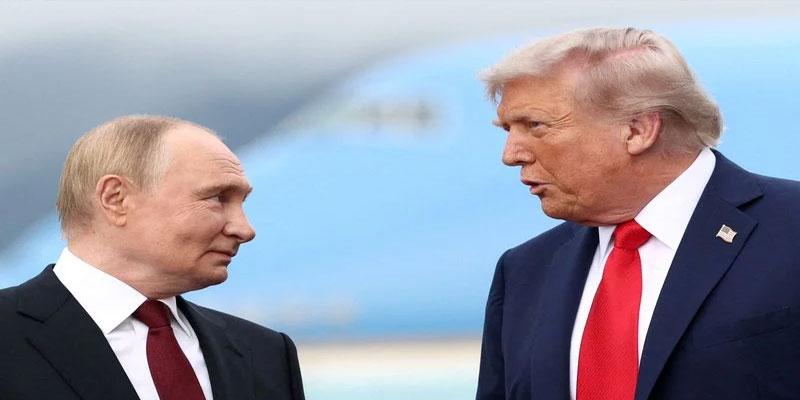
Speaking after the latest US strikes, Trump stated in an interview that Iranian officials had privately appealed for an end to the offensive. According to him, Tehran’s leadership sought to stop further attacks as pressure mounted on Iranian military infrastructure.
Iranian authorities immediately dismissed the statement. Officials in Tehran categorically denied any direct contact with Trump or his administration and accused Washington of spreading misinformation to project diplomatic leverage. Iranian leaders instead reiterated that they would respond militarily to what they described as “US aggressions.”
The sharp contradiction between Washington and Tehran has highlighted the widening distrust between the two adversaries, even as international actors continue urging restraint.
Latest US Strikes Intensify Conflict
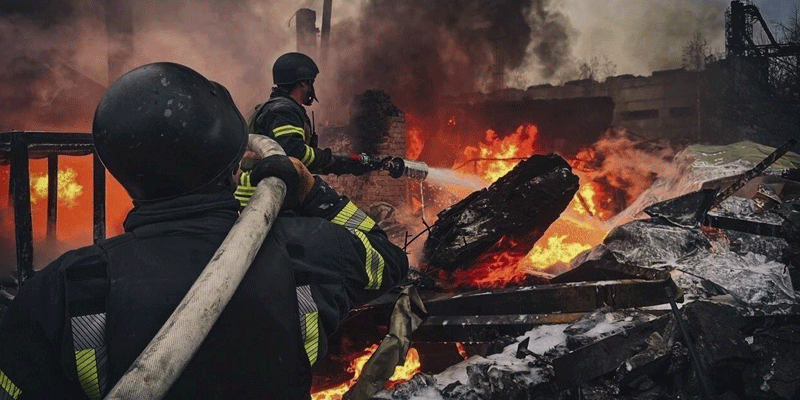
The latest wave of strikes was carried out early Thursday and reportedly targeted several Iranian military and surveillance facilities. Iranian media reported explosions across Bandar Abbas, Minab, Sirik, Kargan, and Qeshm Island.
The United States Central Command confirmed that it had conducted “additional self-defence strikes” against Iranian targets linked to surveillance systems, communications infrastructure, and air defence positions.
Washington has maintained that the operations are defensive measures intended to neutralise threats to American forces and allies in the region. However, the strikes have significantly widened fears of a broader regional confrontation.
Iran’s Retaliatory Threats
In response, Iran’s Revolutionary Guard warned that American military bases in Kuwait, Bahrain, and Jordan could become targets if US attacks continue. Iranian officials also suggested that strategic maritime routes, including the Strait of Hormuz, could face disruptions, though US military authorities denied reports of any closure or confirmed attacks on the US Fifth Fleet.
The retaliatory rhetoric marks a dangerous escalation because of the strategic importance of the Gulf region, through which a substantial portion of global oil trade passes daily. Any prolonged disruption could have severe economic and geopolitical consequences far beyond the Middle East.
Background to the Renewed Hostilities
The latest confrontation follows stalled negotiations between Washington and Tehran aimed at ending the ongoing conflict that intensified earlier this year. Trump had earlier warned that Iran would “pay the price” if diplomatic progress failed and indicated that further strikes would continue unless Tehran agreed to a deal.
The US president also hinted at the possibility of regime change in Iran, a statement that has alarmed regional observers and complicated prospects for future negotiations. Previous appeals by Trump for both Iran and Israel to halt attacks now appear overshadowed by direct military escalation.
Diplomacy Shrinks Amid Rising Military Tensions
The growing confrontation between the United States and Iran reflects how quickly fragile diplomacy can collapse into open military conflict. With both sides hardening their positions and refusing to step back, the risks of a wider regional war continue to rise. Whether through renewed negotiations or sustained international mediation, de-escalation will be critical to preventing the Gulf from descending into a prolonged and destabilising conflict with global consequences.
(With agency inputs)