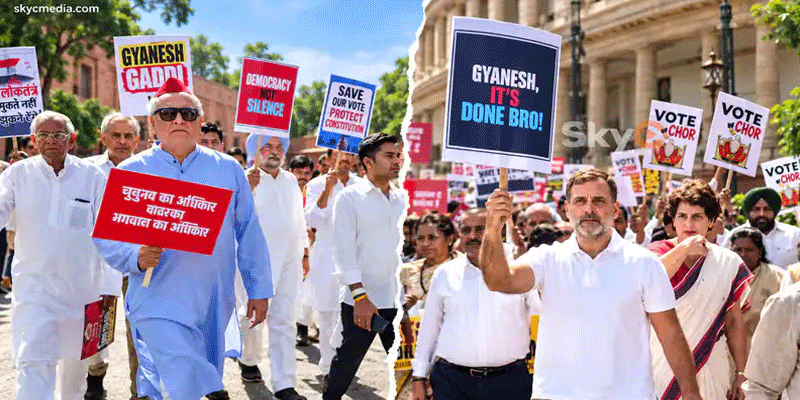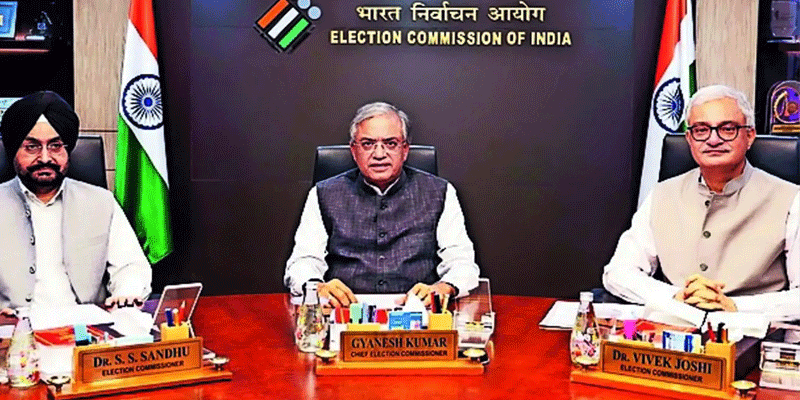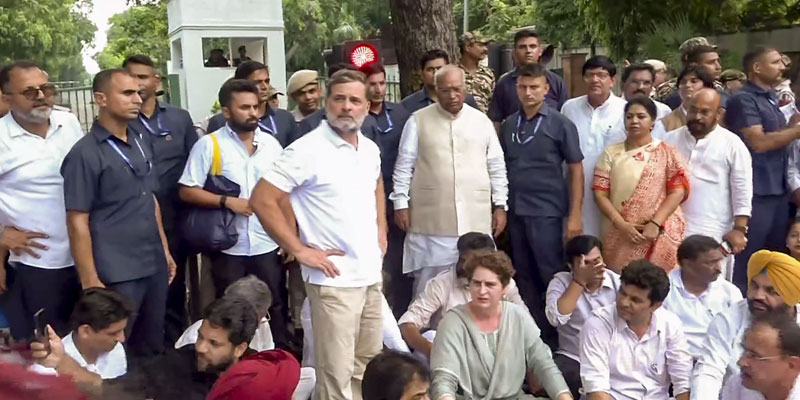
The reported detention of Arvind Kejriwal, Mamata Banerjee and thousands of others has intensified the political confrontation surrounding the Cockroach Janta Party’s (CJP) proposed “Jantar Mantar 2.0” demonstration in Delhi. The protest was intended to demand Chief Election Commissioner Gyanesh Kumar’s resignation over alleged electoral irregularities. However, a sweeping preventive operation prevented numerous organisers, influencers and political figures from reaching the protest venue, triggering a fresh debate over civil liberties, public order and the right to peaceful dissent.
From Electoral Allegations to Street Protest
The CJP and allied student, farmers’, Dalit and political groups called the demonstration over alleged irregularities in the Special Intensive Revision (SIR) of electoral rolls and changes involving Form 6, which is used for voter registration.
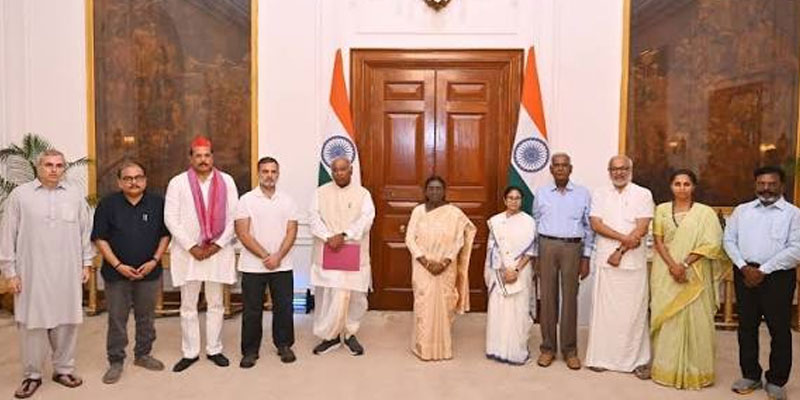
Delhi Police denied permission for the gathering, citing security concerns, and imposed prohibitory restrictions around Jantar Mantar. The operation followed the INDIA bloc’s memorandum to President Droupadi Murmu seeking the removal of the Chief Election Commissioner, escalating the electoral controversy into a confrontation over the opposition’s right to protest.
Who Was Detained? Political Leaders and Influencers Targeted
Reports described a wide-ranging operation involving prominent political figures and online personalities.
· CJP leadership: Founder Abhijeet Dipke and party members Saurav Das and Ashutosh Ranka were reportedly detained after police boarded their Mumbai–Delhi flight at Indira Gandhi International Airport.
· Dhruv Rathee: The YouTuber was reportedly detained at his residence in Gurugram.
· Other influencers: Kavya Karnatac and CJP legal-cell head Ratna Singh were also reportedly taken into custody.
· Opposition leaders: Reports cited by The Indian Express said Arvind Kejriwal and Mamata Banerjee were among more than 2,000 people detained as the operation expanded.
The reported figures varied as the crackdown progressed, making the total number of detainees difficult to establish independently.
Security Grid: Thousands of Personnel Deployed
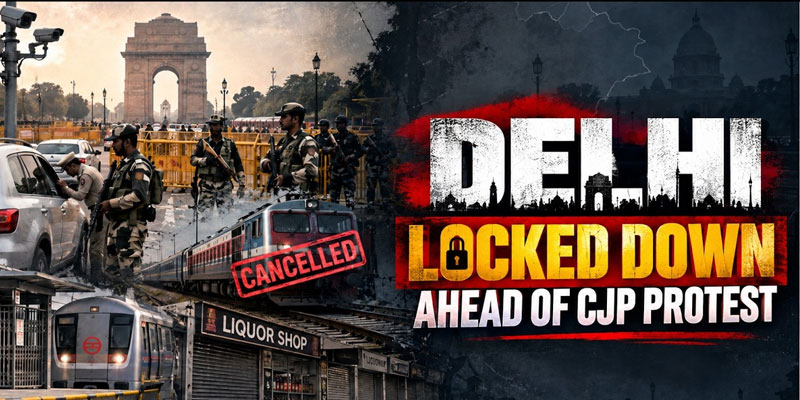
Delhi Police reportedly deployed approximately 25,000 police and paramilitary personnel, intensified checks at railway stations, bus terminals and city borders, and restricted access at 45 metro stations.
Police said the operation was intended to prevent disorder and maintain public safety. Reports indicated that detainees were transported in buses and vans to stadiums and temporary detention facilities, with many intercepted before reaching Jantar Mantar.
CJP founder Dipke had publicly challenged the authorities to arrest him, invoking Article 19 of the Constitution and the right to peaceful protest. Following his detention, the party circulated a pre-recorded video in which he handed over leadership of the demonstration to Ajinkya Shinde.
Political Backlash: Emergency-Era Comparisons Resurface
The crackdown prompted strong criticism from opposition parties and civil-liberties advocates.
· AAP and Congress: Opposition voices condemned the detentions and questioned whether such an extensive operation was proportionate.
· CJP supporters: The party described the action as authoritarian and accused the authorities of preventing citizens from exercising constitutional rights.
· Police position: Authorities maintained that preventive detentions were necessary to preserve law and order and prevent potential disturbances.
Critics argue that detaining organisers before a demonstration begins raises concerns about prior restraint and freedom of expression. However, the legality of individual detentions depends on the circumstances and applicable legal safeguards.
Security Cannot Eclipse Democratic Rights
The controversy has moved beyond the demand for the Chief Election Commissioner’s resignation. It now concerns the balance between public safety and the constitutional freedoms of assembly and expression.
A democracy is tested not merely by how it conducts elections, but by how it responds to those who question them. Authorities must address genuine security risks while ensuring that peaceful dissent is not treated as a threat in itself. Transparent explanations, lawful procedures and accountability for excessive action are essential to preserving public confidence in democratic institutions.
(With agency inputs)