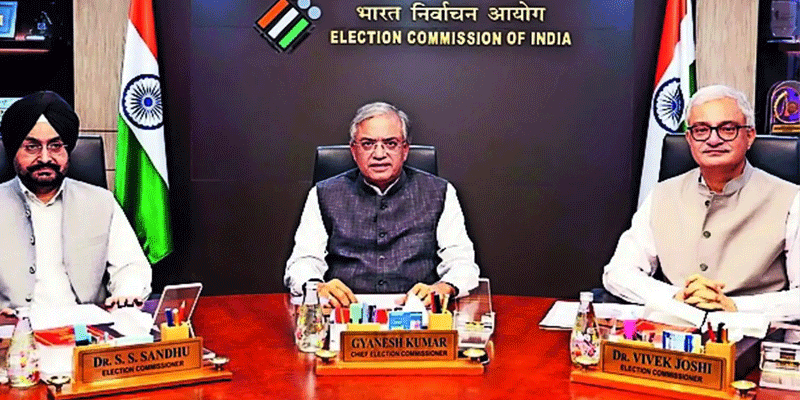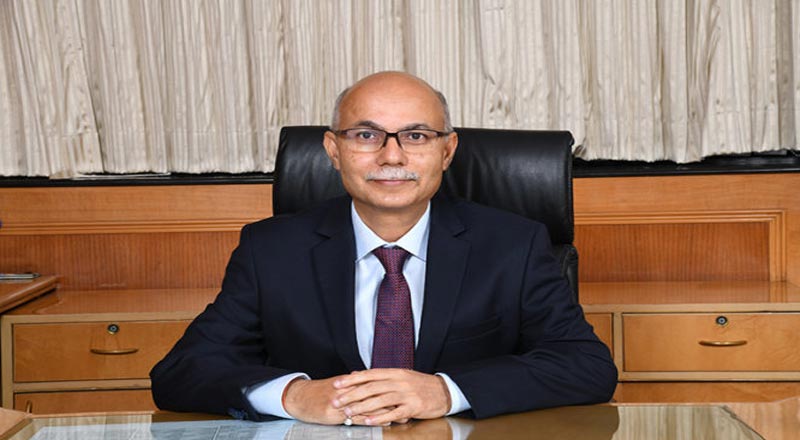
Security around Chief Election Commissioner Gyanesh Kumar was tightened on Thursday as INDIA bloc parties intensified their protests over the Election Commission’s Special Intensive Revision (SIR) of electoral rolls. Additional personnel have been deployed outside Kumar’s Delhi residence, at Nirvachan Sadan and within his personal protection detail amid fresh threat inputs and continuing political mobilisation.
Why INDIA Bloc Is Targeting The CEC
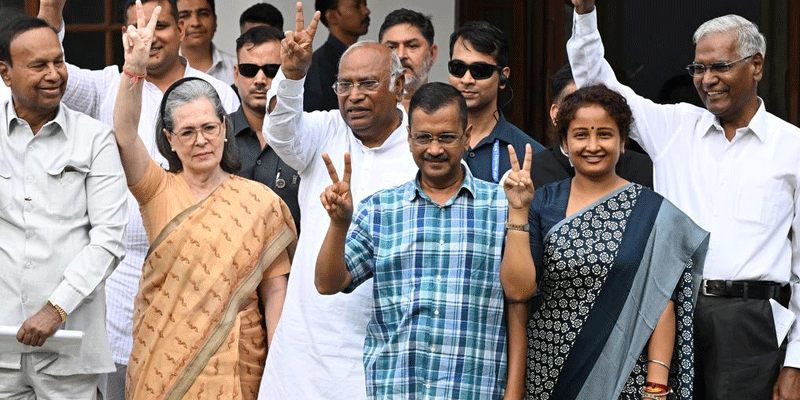
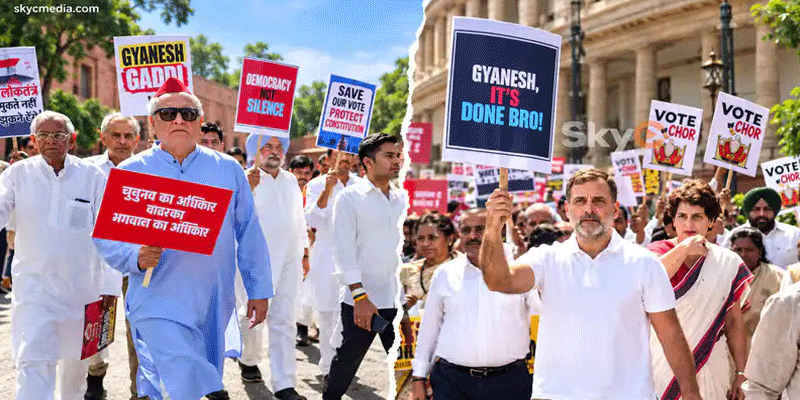
The protests stem from opposition allegations that the SIR exercise could result in the wrongful deletion of legitimate voters and lacks adequate transparency. INDIA bloc leaders, including Rahul Gandhi and Mallikarjun Kharge, have demanded Kumar’s resignation and questioned the Election Commission’s handling of the revision process.
The agitation intensified earlier this week when opposition leaders marched towards the ECI headquarters and were stopped by police. Demonstrators subsequently staged sit-ins and faced detention during repeated protests in central Delhi.
The opposition has also questioned the functioning of the Election Commission following reports of disagreements among its members over aspects of the SIR process.
Third Day Brings Heavy Security in Delhi
Thursday marked another major day of demonstrations, prompting a substantial security deployment across central Delhi. Delhi Police deployed around 5,000 personnel, while barricades were placed around Sansad Marg, Ashoka Road, Janpath Road and other sensitive stretches.
The Union Home Ministry has additionally approved 110 companies of central paramilitary forces from October 8 to 12 to support security arrangements in the capital. The deployment comes amid concerns over large gatherings around Parliament, Nirvachan Sadan and other key government installations.
CEC’s Z+ Cover Strengthened Further
Kumar already has Z+ security, but the Centre has now increased the deployment around his residence, the ECI headquarters and his personal protection team. Officials have cited fresh threat intelligence alongside the heightened protests as the reason for the additional arrangements.
The development underscores how a dispute over electoral-roll procedures has increasingly acquired a personal-security dimension.
Supreme Court Adds Another Layer of Scrutiny
The controversy has also reached the Supreme Court. On October 5, the court issued notices to the Centre, ECI, Kumar and other respondents over petitions alleging that certain SIR-related decisions were taken without the concurrence of the other Election Commissioners.
Meanwhile, the ECI has rejected the opposition’s allegations, maintaining that the relevant SIR decision was approved unanimously and disputing claims surrounding changes to Form 6.
Security Today, Institutional Trust Tomorrow
The immediate priority is preventing protests from escalating into threats or disorder, while ensuring that lawful demonstrations remain possible. But the larger issue is institutional credibility. Security deployment can protect the CEC; it cannot resolve questions surrounding the electoral-roll revision.
That responsibility now rests on transparent disclosure, judicial scrutiny and clear explanations from the Election Commission. As political protests continue and the Supreme Court examines the allegations, the credibility of the SIR exercise—and public confidence in the institution conducting it—will remain the central test.
(With Agency inputs)