G20 in Johannesburg Amid Diplomatic Tensions
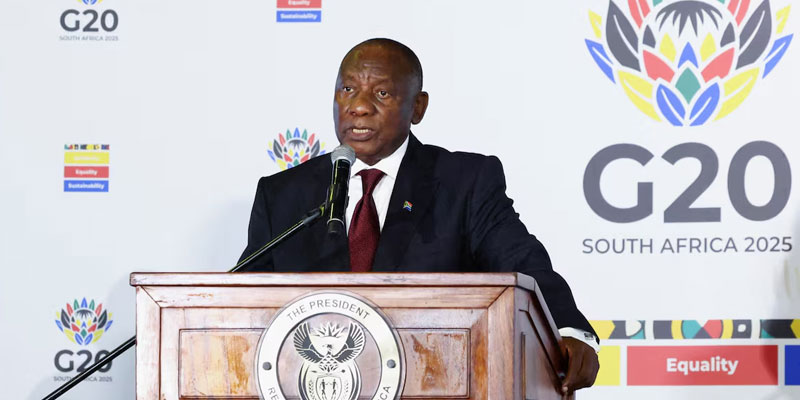
South Africa is preparing to host the 2025 G20 Summit in Johannesburg, a high-profile gathering of the world’s largest economies representing 85% of global GDP and two-thirds of the world population. However, the event has been overshadowed by the United States’ decision to boycott, citing allegations regarding the treatment of the white Afrikaner minority and violence against farmers. South African President Cyril Ramaphosa responded firmly, asserting, “South Africa will not be bullied,” signaling his determination to maintain the summit’s credibility and Africa’s leadership role despite the absence of the world’s largest economy.
Context of the US Boycott
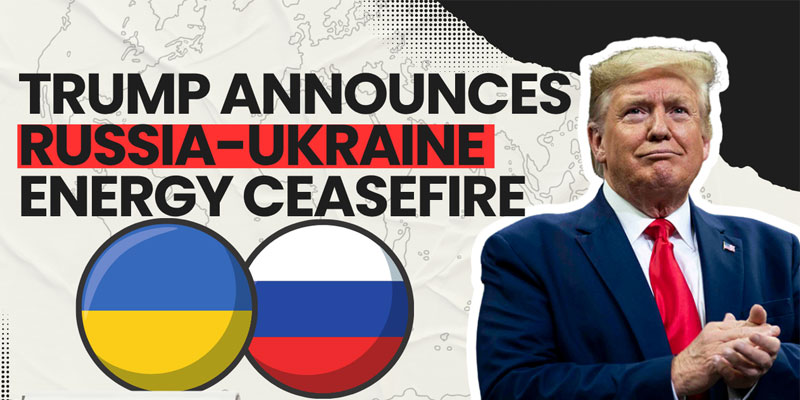
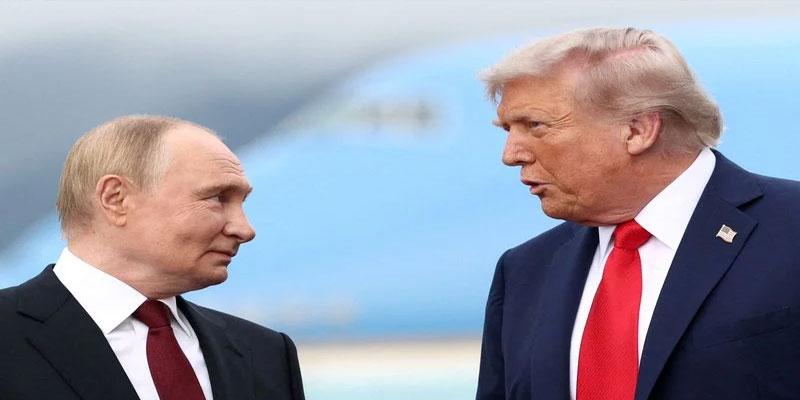
President Donald Trump announced the boycott following claims of human rights abuses targeting white farmers in South Africa—allegations widely rejected by Pretoria as unfounded and politically motivated. Initially, Trump had considered sending Vice President J.D. Vance, but ultimately refrained from substantive participation, opting only for a diplomatic delegation to attend the formal handover of the G20 presidency. The boycott reflects broader American disengagement from multilateral forums during Trump’s tenure, raising concerns over the reliability of US participation in global governance and the implications for consensus-building at such forums.
Ramaphosa’s Response and Summit Preparations
Ramaphosa perceived the US stance as an attempt to pressure South Africa but vowed resilience. He emphasized the importance of multilateral cooperation, inclusive dialogue, and equitable participation, underlining the G20’s role in addressing global challenges. Despite the boycott, he confirmed the participation of 40 nations, including major economies such as China, the EU, and India. The summit agenda focuses on climate change, energy transition, sovereign debt management, and economic inequality, with a theme of “Solidarity, Equality, and Sustainability.” Ramaphosa framed the event as an opportunity to advance the interests of developing countries while reinforcing Africa’s strategic relevance in global decision-making.
Diplomatic Dynamics and Signaling
In the lead-up to the summit, Ramaphosa indicated potential flexibility in US engagement, though Washington denied any change in position. The US confirmed attendance at the handover ceremony only, abstaining from substantive deliberations. This ambivalence reflects the complexity of US-South Africa relations and the broader geopolitical environment, where multilateral commitments are increasingly influenced by domestic politics and nationalist agendas.
Implications for the G20 and Global Governance
The US boycott poses challenges to the perceived legitimacy and effectiveness of the summit, threatening to diminish the forum’s stature. Yet, the commitment of other nations underscores the enduring relevance of collaborative action on pressing global issues. For South Africa, hosting the summit is an opportunity to assert its diplomatic weight, demonstrate leadership among emerging economies, and reinforce Africa’s role in shaping international policy discussions.
Resilience in the Face of Boycott
The US boycott of the Johannesburg G20 Summit underscores the intersection of geopolitics, national sovereignty, and multilateral diplomacy. Ramaphosa’s unwavering stance affirms South Africa’s resolve to lead, ensuring that the summit proceeds as a platform for cooperation, inclusivity, and meaningful action. While the absence of the US complicates proceedings, the summit highlights Africa’s growing influence on the global stage and the resilience of multilateral forums in navigating evolving international dynamics.
(With agency inputs)