Trade Talks Gather Momentum
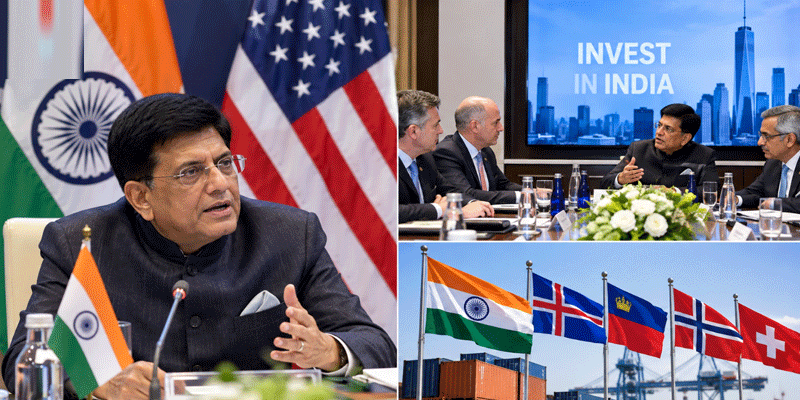
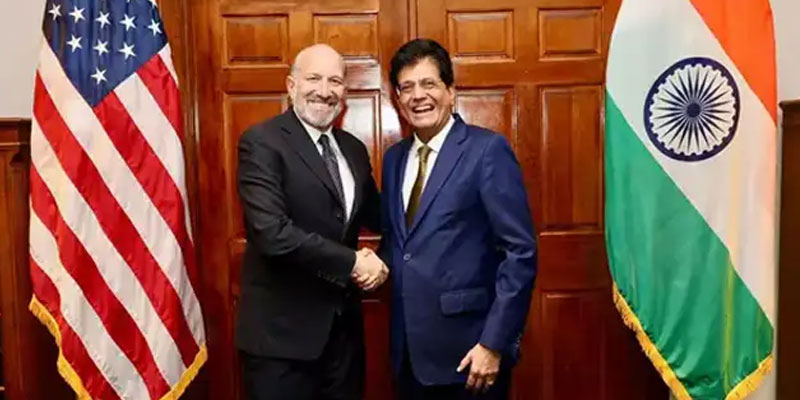
India and the United States are entering a critical phase in their trade negotiations, with Commerce and Industry Minister Piyush Goyal expected to travel to Washington in the coming days. The visit follows intensive discussions in New Delhi between US Chief Negotiator Brendan Lynch and India’s lead negotiator Rajesh Agrawal, which officials described as constructive and forward-looking. At the heart of these talks lies the proposed Bilateral Trade Agreement (BTA), a pact that both sides are eager to finalize as they seek to expand trade ties and resolve longstanding disputes.
Progress in Negotiations
The recent seven-hour meeting in New Delhi on September 16 was regarded as a major step forward. Both governments agreed to intensify efforts to conclude an agreement that would serve the interests of both economies. According to India’s Ministry of Commerce, the discussions were “positive” and set the tone for quicker resolution of issues that have stalled progress in the past.
This momentum reflects a joint directive issued earlier in February, when leaders from both nations instructed negotiators to formalize the BTA. While the original timeline aimed for the first tranche of the agreement by fall 2025, pressure is mounting to accelerate progress. So far, five rounds of talks have been completed, and optimism is rising that an early breakthrough could be achieved.
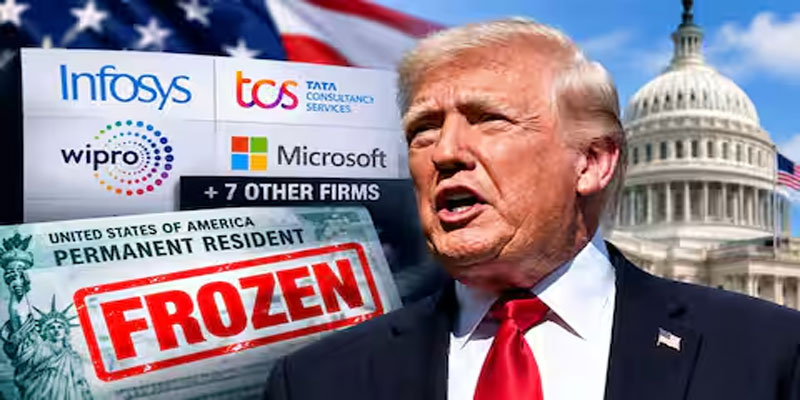
Despite the optimism, trade friction remains a pressing concern. The United States has imposed heavy tariffs on Indian exports—initially a 25 percent duty, followed by an additional 25 percent penalty in response to India’s purchase of Russian crude oil. These measures have effectively doubled the tariff burden on Indian goods to 50 percent, sharply reducing competitiveness in the American market.
The latest round of discussions marked the first visit of senior US trade officials since these tariffs came into force. Resolving this tariff standoff is expected to dominate the agenda during Goyal’s upcoming trip, with negotiators working toward a resolution within the next two months.
Expanding Trade Ambitions
Underlying the talks is a bold shared objective: to more than double bilateral trade volumes, reaching USD 500 billion by 2030 from the current USD 191 billion. The United States is already India’s largest trading partner for the fourth consecutive year, with bilateral trade standing at USD 131.84 billion in 2024-25. Of this, Indian exports account for USD 86.5 billion, making the US market vital to India’s economic ambitions.
Currently, the US absorbs around 18 percent of India’s total goods exports, supplies 6.22 percent of imports, and represents about 10.7 percent of India’s overall merchandise trade. For Washington, the agreement offers a chance to deepen ties with one of the world’s fastest-growing economies, while for New Delhi, it provides access to the world’s largest consumer market under fairer terms.
Political Dimensions and Diplomatic Backing
The negotiations are not limited to trade officials alone. External Affairs Minister S. Jaishankar is expected to meet US Secretary of State Marco Rubio in New York on the sidelines of the UN General Assembly, with broader political and strategic cooperation likely on the agenda. These conversations will help provide diplomatic cover for the trade talks, aligning economic priorities with the two countries’ growing security and geopolitical partnership.
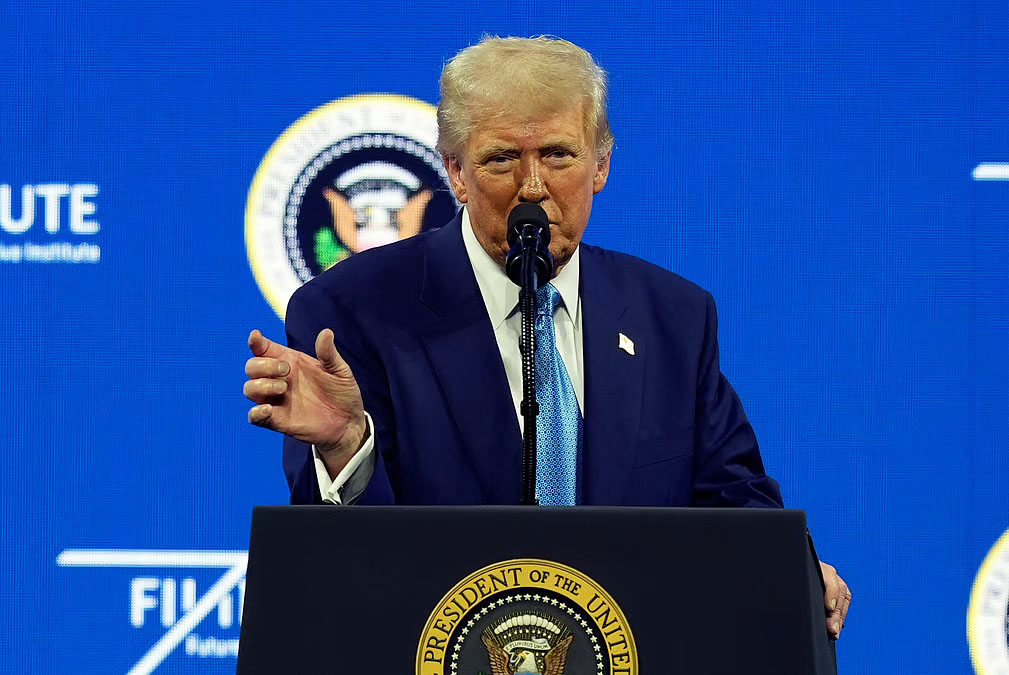
Notably, President Donald Trump also reached out to Prime Minister Narendra Modi on September 16 to extend birthday wishes. Modi reiterated his commitment to taking the Indo-US relationship to “new heights,” signaling the importance both governments attach to the partnership at a strategic level.
The Road Ahead
The upcoming visit by Minister Goyal could prove decisive in shaping the contours of the BTA. While significant hurdles remain—particularly the steep US tariffs on Indian goods—the latest talks suggest both sides are committed to finding common ground. If negotiations stay on track, a framework agreement could be reached well before the 2025 target, setting the stage for expanded trade and investment.
A successful pact would not only ease current trade tensions but also unlock the potential for the two economies to achieve the ambitious USD 500 billion trade target by 2030. More broadly, it would reinforce India and America’s role as strategic economic partners at a time when global trade dynamics are in flux. The coming weeks will reveal whether this renewed momentum translates into a historic trade breakthrough.
(With agency inputs)