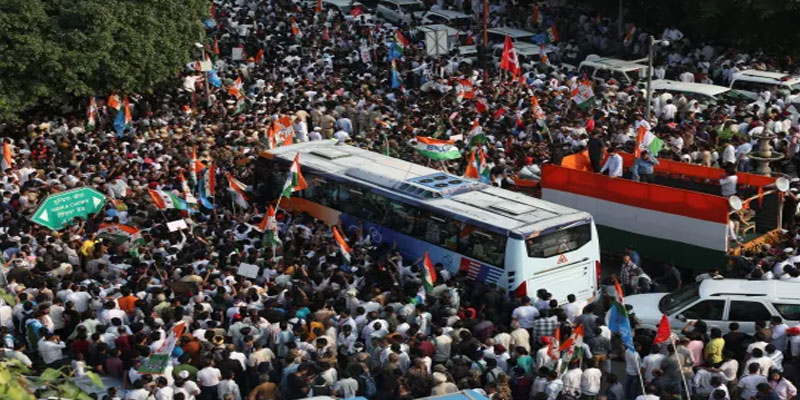
Rival Demonstrations Outside Indian High Commission
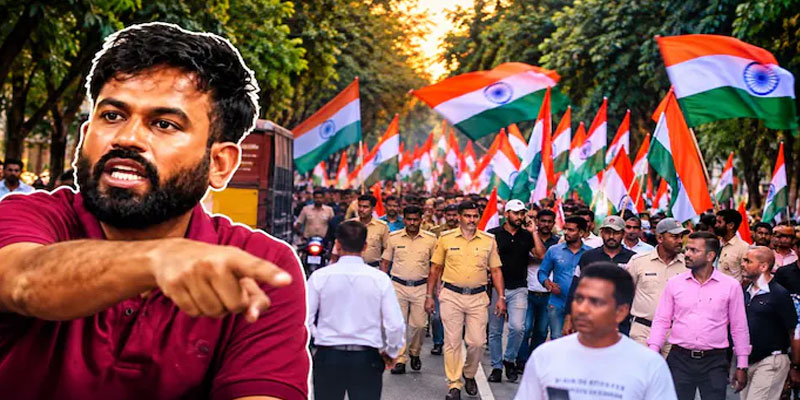
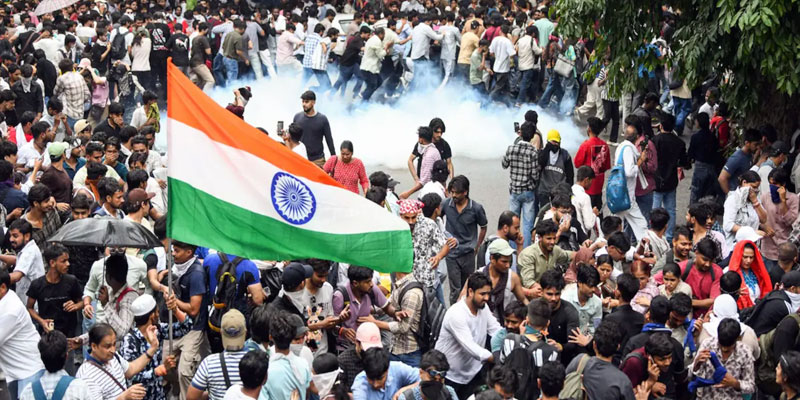
A confrontation between Left-leaning student protesters and supporters of the Indian government outside the Indian High Commission in London on October 16 brought India’s contentious Special Intensive Revision (SIR) of electoral rolls into the international spotlight. Metropolitan Police officers intervened to keep the rival groups apart, using steps as a physical barrier to prevent the demonstrations from escalating into a direct confrontation.
The face-off highlighted how a domestic dispute over electoral integrity has increasingly become a flashpoint within India’s overseas diaspora.
What Triggered the London Protest?
The larger demonstration was organised by the Students’ Federation of India (SFI) UK under the banner “Stand in Solidarity.” Protesters demanded transparency and accountability in the electoral-roll revision process, called for Chief Election Commissioner Gyanesh Kumar’s resignation or removal, and sought the scrapping of the SIR exercise.
A smaller counter-demonstration by pro-government diaspora supporters expressed backing for Prime Minister Narendra Modi and the Union government. Reports indicated that the counter-protesters used loudspeakers to raise slogans, including “Shame” and pro-Modi chants, as police maintained separation between the opposing groups.
The immediate outcome was a tense standoff, with neither side withdrawing its political position.
The Expanding SIR Controversy
The London demonstration followed an emergency protest outside India House earlier in the week, organised by diaspora organisations and student groups, including the South Asia Solidarity Group, the Indian Workers’ Association, the SOAS Ambedkar Society and the Cambridge South Asian Forum Against Hindutva.
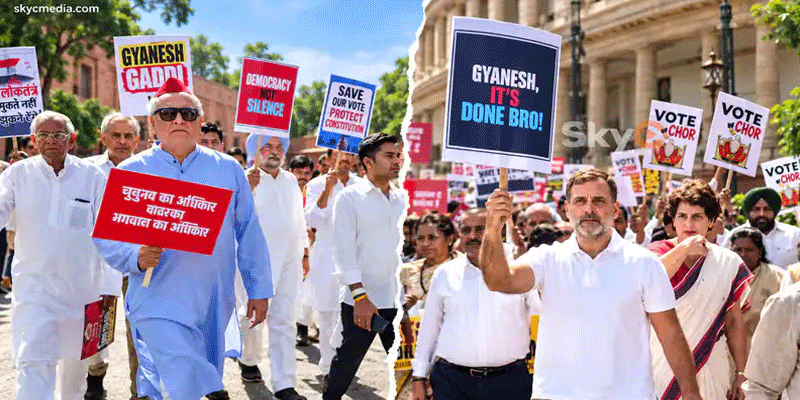
The Election Commission announced the nationwide SIR exercise in October 2025. Opponents allege that the revision process risks large-scale voter deletions and irregularities. They have demanded Kumar’s removal, fresh elections in constituencies where they allege electoral rolls were falsified, and safeguards for the right to protest.
The allegations remain contested, making transparency, verification and due process central to the wider debate.
London Protest Mirrors India’s SIR Dispute
The competing demonstrations reflect two sharply contrasting political narratives.
· Government supporters view their counter-demonstration as a defence of Modi’s leadership and India’s democratic institutions against what they consider politically motivated criticism.
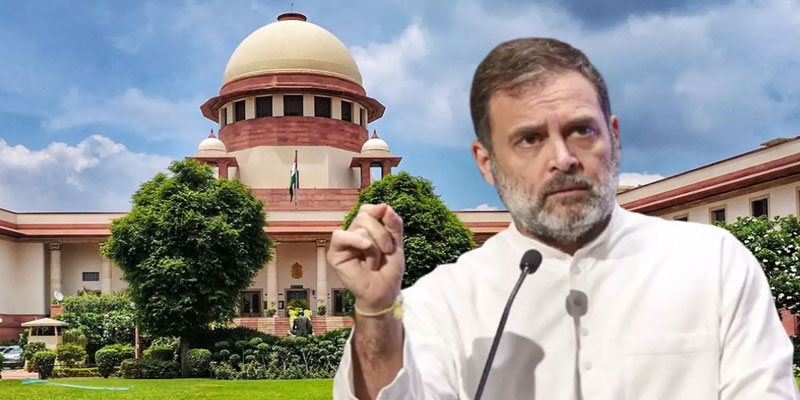
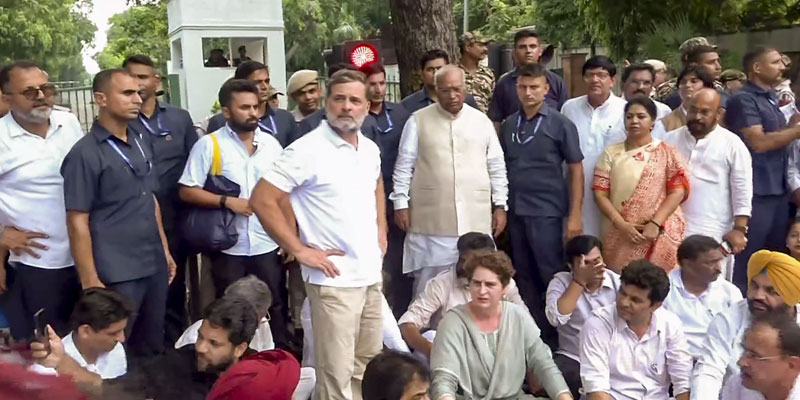
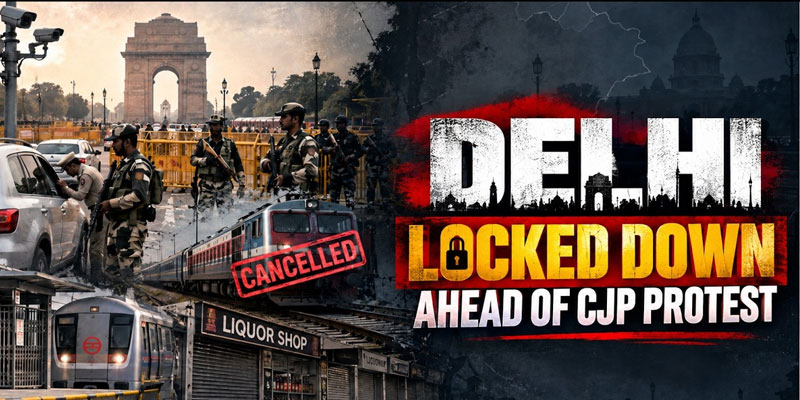
The controversy also carries legal and political implications in India, where the Supreme Court is hearing petitions concerning SIR-related concerns. Protests in Delhi have triggered detentions and opposition criticism of police action.
A Diaspora Divided, Democratic Questions Unresolved
The London confrontation demonstrates that India’s electoral disputes are no longer confined to domestic political arenas. Diaspora networks are increasingly providing platforms for competing interpretations of democratic institutions and government accountability.
Neither the Indian High Commission nor the UK government was reported to have issued an official response to the October 16 demonstrations. Ultimately, the competing rallies underline the need for credible evidence, transparent electoral procedures and peaceful political expression. The controversy’s resolution will depend less on demonstrations abroad than on whether concerns about electoral rolls are addressed through verifiable safeguards, institutional accountability and due process.
(With agency inputs)