A Costly Conflict Becomes an Election Liability
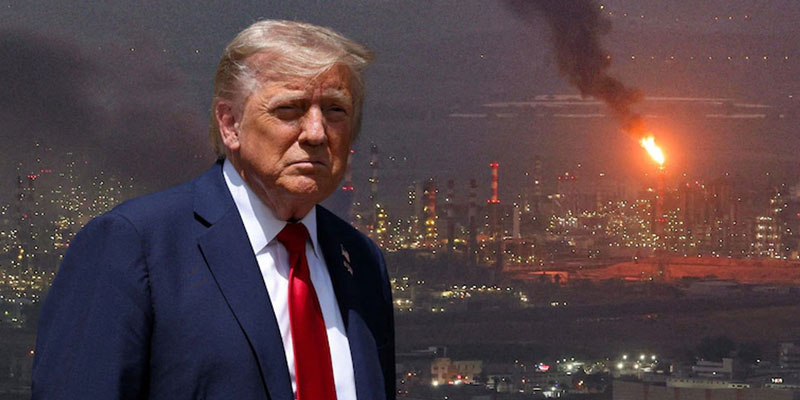
The US military’s reported cost of the Iran war has climbed to at least $47.1 billion as of October 16, more than 25% above the Pentagon’s July estimate of $37.5 billion. With the November 3 midterm elections approaching, the mounting expense has become a political liability for President Donald Trump and congressional Republicans, particularly as American voters remain concerned about living costs and fuel prices.
From Short Campaign to Prolonged Conflict
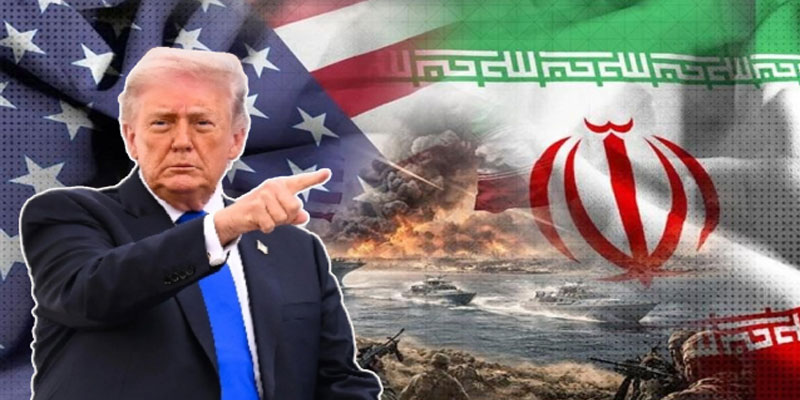
The United States entered the conflict alongside Israel nearly eight months ago, amid escalating tensions over Iran’s nuclear programme and regional activities. What Trump initially suggested could be a short campaign has evolved into a prolonged military operation involving extensive weapons use, damage to regional facilities and rising operational expenses.
Where the $47.1 Billion Has Gone
The reported expenditure falls into three principal categories:
· $29 billion: Replacing missiles, air-defence interceptors, precision bombs and other munitions used during operations.
· $6.1 billion: Replacing lost military equipment and platforms.
· $11.9 billion: Additional operating expenses, including support for US personnel deployed in the region.
Importantly, the estimate reportedly excludes repairs to American bases damaged by Iranian drones and missiles. The eventual financial burden could therefore be higher.
Why the Military Bill Keeps Rising
The prolonged fighting has consumed expensive precision weapons and defensive interceptors. Replenishing these systems requires manufacturing capacity, procurement contracts and considerable time. The supplied account cites projections that costs could rise by another $2–3 billion monthly if operations continue, turning the conflict into a sustained budgetary challenge.
Midterms: Fuel Prices and War Fatigue
The economic consequences extend beyond military spending. Disruptions to global energy markets have added pressure to fuel prices, intensifying voter concerns about affordability. An AP-NORC poll reportedly found that voters across party lines want the next Congress to prioritise lowering living costs and ending the war.
Republicans hold narrow majorities in both chambers of Congress. Even modest electoral losses could shift the balance of power, complicating Trump’s legislative agenda and increasing congressional scrutiny of the conflict.
The Final Test: Security Without an Endless Bill
The immediate challenge for the White House is to demonstrate a credible path towards de-escalation while explaining why continued military expenditure is necessary. If operations persist, the bill could soon exceed $50 billion, excluding some infrastructure repairs.
Ultimately, the Iran war has become more than a foreign-policy and national-security issue. Its rising cost and potential impact on household budgets could influence the midterms, testing whether voters believe the administration’s security objectives justify the financial burden.
(With agency inputs)