Student Protest Forces Government to Reverse Course
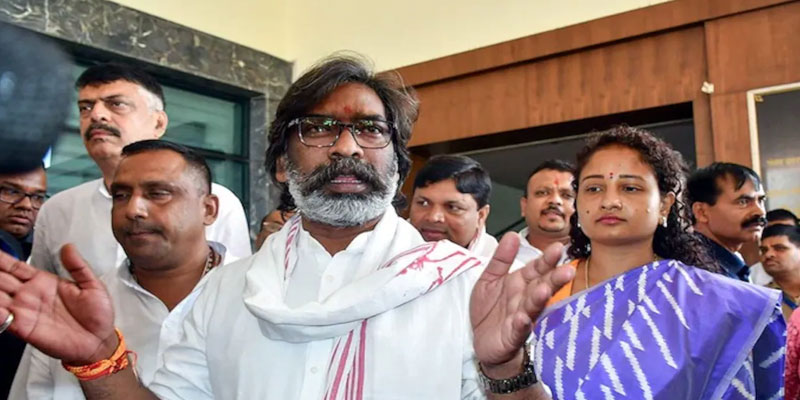
Student leader Devendra Nath Mahto ended his 16-day hunger strike in Ranchi after the Hemant Soren government cancelled the Jharkhand Staff Selection Commission Combined Graduate Level (JSSC-CGL) examination and all recruitment tests conducted through private agency TSR Data Processing Private Limited (TDPL). Breaking his fast at Sadar Hospital with fruit juice offered by ministers Dipika Pandey Singh and Irfan Ansari, Mahto hailed the decision as a “huge victory for Jharkhand” while asserting that the larger fight for transparent recruitment would continue.
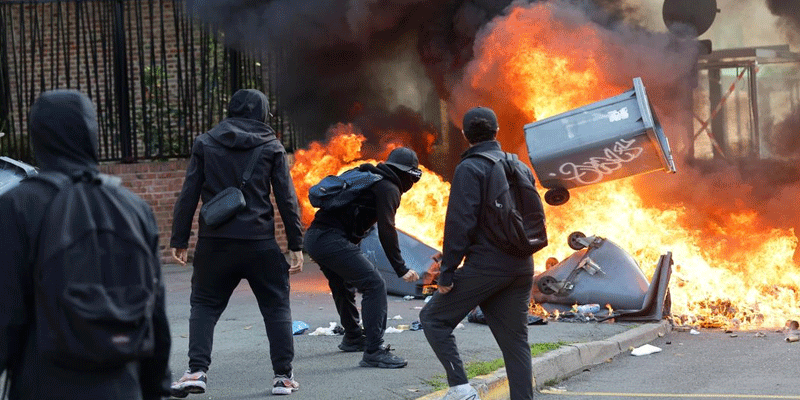
The move marks a decisive political turning point in Jharkhand’s prolonged examination crisis, where weeks of student protests transformed allegations of paper leaks into a broader demand for accountability.
From Recruitment Dispute to State-wide Movement
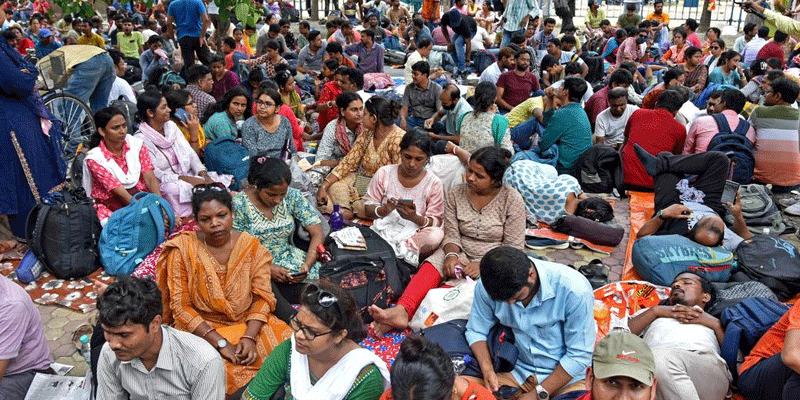
The controversy began with the JSSC-CGL recruitment examination, which attracted nearly 6.4 lakh applicants. Originally scheduled for January 2024, the exam was cancelled after allegations of a paper leak before being conducted in September 2024. However, suspicions of irregularities persisted, triggering 24 days of continuous protests by students and government job aspirants demanding justice.
The agitation gained momentum because many protesters viewed the issue not as an isolated examination failure but as evidence of systemic flaws in Jharkhand’s recruitment machinery.
Cancellation Creates New Challenges
The government’s decision has resolved one crisis but created another. Nearly 2,000 candidates who had already secured appointments through the examination and joined government departments now face uncertainty despite not being accused of wrongdoing.
Many successful candidates have opposed the cancellation and may seek legal remedies, placing the state in the difficult position of balancing fairness for genuine recruits with restoring public confidence in recruitment processes.
Multi-Layered Probe into Recruitment Irregularities
To address the growing legitimacy crisis, the Soren government has launched multiple investigations.
The CID and a Special Investigation Team (SIT) will examine public recruitment examinations conducted since 2014.
A judicial inquiry headed by a retired judge will independently investigate the allegations.
The CID has already raided the JSSC headquarters and arrested 20 people, including former Jharkhand Public Service Commission Chairman L. Khiangte, in cases linked to alleged examination irregularities.
These investigations aim to establish accountability while rebuilding trust in state institutions.
Political Stakes and Reform Promises
The crisis also carries significant political implications. Earlier, the government had cancelled the 14th JPSC Civil Services preliminary examination and two other recruitment tests, yet students continued demanding cancellation of JSSC-CGL and an independent CBI probe.
In response, the government has promised structural reforms, including a fixed annual examination calendar, stronger technological safeguards, tighter oversight of recruitment agencies and clearer responsibility at every stage of examinations.
Rebuilding Trust Beyond Cancellation
Devendra Mahto’s decision to end his hunger strike may have eased immediate tensions, but Jharkhand’s recruitment crisis is far from over. The true measure of the government’s response will lie in conducting credible investigations, protecting innocent candidates and implementing lasting institutional reforms. Only a transparent and time-bound overhaul of the recruitment system can transform this hard-won victory into a lasting restoration of public trust.
(With agency inputs)