Hopes for a diplomatic breakthrough between the United States and are rapidly fading after US President Donald Trump declared the fragile ceasefire between the two sides was “on massive life support” and sharply rejected Tehran’s latest peace proposal. The comments, made on May 11, have deepened fears that the conflict in West Asia could escalate further after nearly 11 weeks of military confrontation that has already shaken global energy markets and heightened geopolitical instability.
The collapse in diplomatic momentum immediately rattled global oil markets, with Brent crude prices surging above $105 per barrel—nearly 46% higher than levels seen before the conflict erupted in late February. Analysts now warn that a prolonged deadlock between Washington and Tehran could trigger one of the most severe energy crises in recent decades.
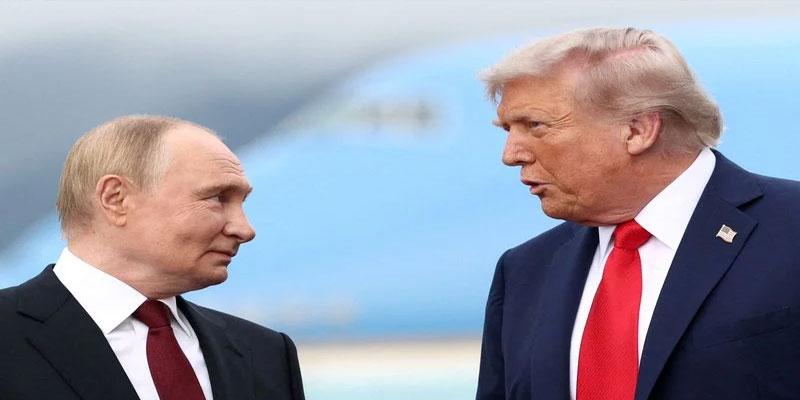
Trump Rejects Iran’s Proposal as “Unacceptable”
The latest escalation followed Iran’s counter-proposal aimed at securing a broader ceasefire agreement. According to reports, Tehran demanded a complete halt to hostilities across multiple fronts, including conflicts involving Iran-backed groups such as Hezbollah in Lebanon.
Iran also reportedly sought sovereignty-related guarantees over the Strait of Hormuz, compensation for wartime damage, the lifting of the US naval blockade, and the release of frozen Iranian financial assets.
However, President Trump publicly dismissed the proposal in unusually harsh terms, reportedly calling it “garbage” and “completely unacceptable.” He reiterated that the United States was focused on achieving what he described as “complete victory” rather than negotiating compromises viewed as strategically disadvantageous.
The sharp rhetoric has effectively stalled ongoing diplomatic efforts and reinforced the widening gap between the two sides’ core demands.
Strait of Hormuz Crisis Intensifies Global Energy Shock
The continued tensions have placed enormous pressure on global oil supply chains, particularly around the Strait of Hormuz, through which a substantial portion of the world’s crude oil shipments pass.
Reports suggest that shipping movement through the strategic waterway remains severely disrupted due to military activity, naval restrictions, and heightened security risks. The International Energy Agency has reportedly described the situation as one of the largest supply disruptions in modern oil market history.
Following Trump’s remarks, Brent crude climbed further, crossing $105 per barrel by Tuesday. Several economists and energy analysts now warn that oil prices could potentially rise toward $115–120 per barrel if diplomatic negotiations continue collapsing.
India Among the Most Vulnerable Economies
The worsening conflict poses serious risks for India, which imports nearly 85% of its crude oil requirements. More than half of India’s petroleum imports originate from West Asia, making the country highly exposed to regional instability.
Economists estimate that every $10 increase in crude prices could significantly raise inflationary pressures, widen India’s current account deficit, and slow economic growth. Analysts also warn that India’s annual oil import bill could rise by over $70 billion if prices remain elevated for a prolonged period.
The rupee has already come under pressure amid rising demand for dollars to finance costlier energy imports, intensifying concerns over inflation and fiscal stability.
Wider Regional Tensions Continue to Escalate
The diplomatic deadlock is unfolding alongside rising military tensions across the region. Iran reportedly insists that any lasting peace arrangement must also address conflicts involving Hezbollah and other allied groups operating against Israel.
Meanwhile, reports have also suggested that the United Arab Emirates conducted strikes inside Iranian territory earlier this year, further complicating regional dynamics and widening the conflict’s geopolitical dimensions.
The broader confrontation now increasingly risks evolving into a prolonged regional standoff involving multiple state and non-state actors.
A Dangerous Geopolitical Deadlock Emerges
The latest collapse in US-Iran peace efforts has pushed the region closer to a prolonged and unpredictable geopolitical crisis. With both sides refusing to compromise on core strategic demands, the ceasefire now appears increasingly fragile. Beyond the immediate military confrontation, the conflict is already reshaping global energy markets, threatening economic stability in import-dependent countries, and raising fears of wider regional escalation. As diplomacy stalls and oil prices continue climbing, the world faces growing uncertainty over whether the crisis can still be contained before it triggers deeper economic and geopolitical consequences.
(With agency inputs)