America’s Global Image Suffers Another Sharp Decline
Global perceptions of the United States have deteriorated for the second consecutive year and have now fallen below views of Russia, according to the 2026 Democracy Perception Index released by the Alliance of Democracies Foundation. The findings come as President Donald Trump’s foreign and security policies continue to strain the North Atlantic Treaty Organization alliance and raise concerns about America’s role as a defender of democratic values.
The report marks a striking symbolic reversal. For decades, the United States projected itself as the central pillar of the democratic world order. Today, however, international confidence in Washington appears increasingly weakened by political polarisation, alliance tensions and perceptions of strategic unpredictability.
What the Democracy Perception Index Reveals
The 2026 index measures how countries are viewed globally using a scale ranging from −100 percent to +100 percent. According to the survey, America’s net perception rating has collapsed to −16 percent, compared to +22 percent just two years ago — a dramatic 38-point decline.
Russia, despite ongoing criticism from Western governments, recorded a slightly better score of −11 percent, while China posted a positive net perception of +7 percent. The findings suggest a widening disconnect between Western geopolitical narratives and broader global public opinion, especially across parts of Asia, Africa and Latin America.
The survey also found that the United States was frequently identified as one of the countries posing the greatest threat to global stability, ranking behind only Russia and Israel in several responses. Although the poll does not specify why respondents made those choices, it reflects growing unease over American global conduct.
Why America’s Global Standing Is Falling
Several factors appear to be driving the decline in America’s image under Trump’s presidency.
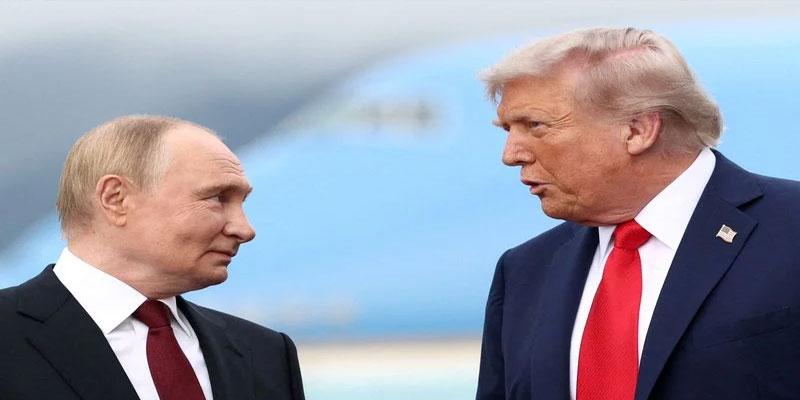
First is growing anxiety among allies over NATO and transatlantic security. Trump’s repeated criticism of NATO members, demands for increased defence spending, and occasional praise for Russian President Vladimir Putin have fuelled doubts about Washington’s long-term reliability as a strategic partner.
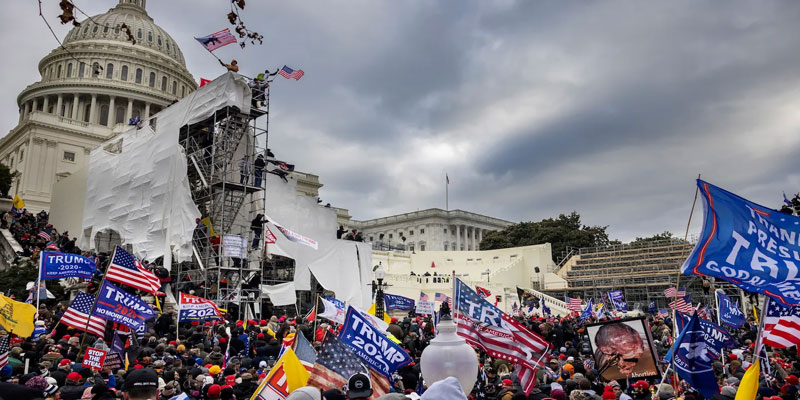
Second, democratic concerns inside the United States itself have weakened America’s soft-power appeal. International observers have closely watched political polarisation, disputes over electoral legitimacy and tensions surrounding democratic institutions. These developments have complicated Washington’s traditional image as a model democratic system.
Third, many countries in the Global South increasingly view American sanctions, military interventions and financial pressure campaigns as instruments of geopolitical self-interest rather than principled democracy promotion. This perception has contributed to growing scepticism toward US foreign policy narratives.
The Broader Implications for Global Power
The decline in America’s perception carries consequences far beyond image management. International influence today depends not only on military and economic power, but also on legitimacy and trust.
Soft power has long been central to America’s ability to build coalitions, lead alliances and shape international institutions. A sustained erosion in credibility could make it harder for Washington to rally support on issues ranging from trade and technology to climate policy and security cooperation.
For NATO allies, the survey’s findings are particularly troubling. European governments already concerned about strategic uncertainty may fear that weakening global confidence in the US could embolden rivals such as Russia and deepen fractures within the Western alliance system.
At the same time, authoritarian powers may use these perception trends to argue that American democracy promotion is selective, inconsistent or hypocritical.
A Warning for America’s Global Leadership
The Democracy Perception Index does not measure military strength or economic output, but it offers a revealing snapshot of how the world currently views American leadership. The fact that global perceptions of the United States now trail behind Russia’s is symbolically profound and politically significant.
If the United States hopes to restore its international standing, rebuilding trust will require more than strategic messaging. It will demand renewed commitment to democratic norms at home, greater predictability in foreign policy and a more collaborative approach toward allies and emerging powers alike. Without that recalibration, America’s global influence may continue to weaken even as its hard power remains unmatched.
(With agency inputs)