The United States and Iran appear no closer to ending their confrontation as fresh clashes erupted across the Gulf region despite a fragile ceasefire remaining technically in place. Sporadic attacks in the Strait of Hormuz, missile and drone strikes targeting the UAE, and expanding American sanctions have pushed tensions back to dangerous levels. At the same time, a recent CIA assessment suggesting Iran could withstand a prolonged US-led blockade for several months has complicated Washington’s pressure strategy and raised fears of a drawn-out regional crisis with global economic consequences.
Strait of Hormuz Emerges as the Main Flashpoint
The Strait of Hormuz, through which nearly one-fifth of the world’s oil supply passes, has once again become the centre of military escalation. In recent days, US and Iranian forces reportedly exchanged drone and missile fire near key maritime corridors around Qeshm and Bandar Abbas.
American officials described recent strikes on Iranian-linked positions as defensive responses aimed at protecting shipping routes and regional assets. Iran, meanwhile, warned against increased foreign military presence in Gulf waters and accused Washington of violating the spirit of the ceasefire reached after intense fighting earlier this year.
The latest flare-up is considered the most serious since the April 2026 truce that temporarily halted direct hostilities following the Israel-Iran confrontation that eventually drew the United States into the conflict under President Donald Trump.
UAE Targeted in Escalating Missile and Drone Attacks
One of the most alarming developments came when the UAE reportedly intercepted multiple Iranian ballistic missiles, cruise missiles and drones aimed at oil infrastructure in Fujairah. Although Tehran denied responsibility, regional security officials linked the attacks to Iranian-aligned operations.
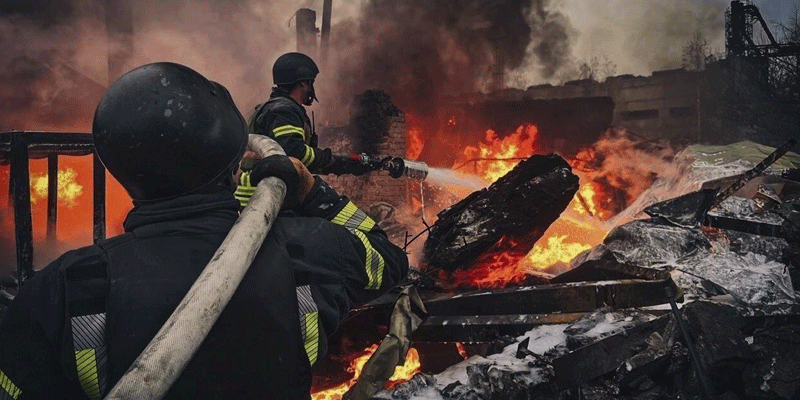
The strikes triggered fires and renewed concerns over the vulnerability of Gulf energy infrastructure. Since the conflict began, more than 2,000 drones and hundreds of missiles have reportedly targeted the UAE, causing casualties and significant infrastructure damage.
The attacks have intensified anxiety among Gulf states that the conflict could spiral into a broader regional war involving multiple actors and proxy groups.
CIA Assessment Changes Strategic Calculations
Adding to Washington’s dilemma, a new CIA analysis reportedly concluded that Iran could survive a naval blockade for at least three to four months. The report suggests Tehran has built sufficient oil reserves, diversified export routes and strengthened underground military infrastructure to absorb prolonged economic pressure.
Iran’s adaptation to years of sanctions has also increased its resilience. Intelligence assessments indicate the country retains substantial missile stockpiles and the ability to sustain asymmetric operations despite mounting economic strain.
This finding weakens assumptions that intensified sanctions or maritime pressure alone could rapidly force Tehran into concessions, making the possibility of a prolonged standoff more likely.
US Expands Sanctions Amid Frustration with Allies
In response, Washington announced a new wave of sanctions targeting 15 Iran-linked entities, two individuals and several vessels accused of facilitating illicit oil exports through “shadow fleet” networks.
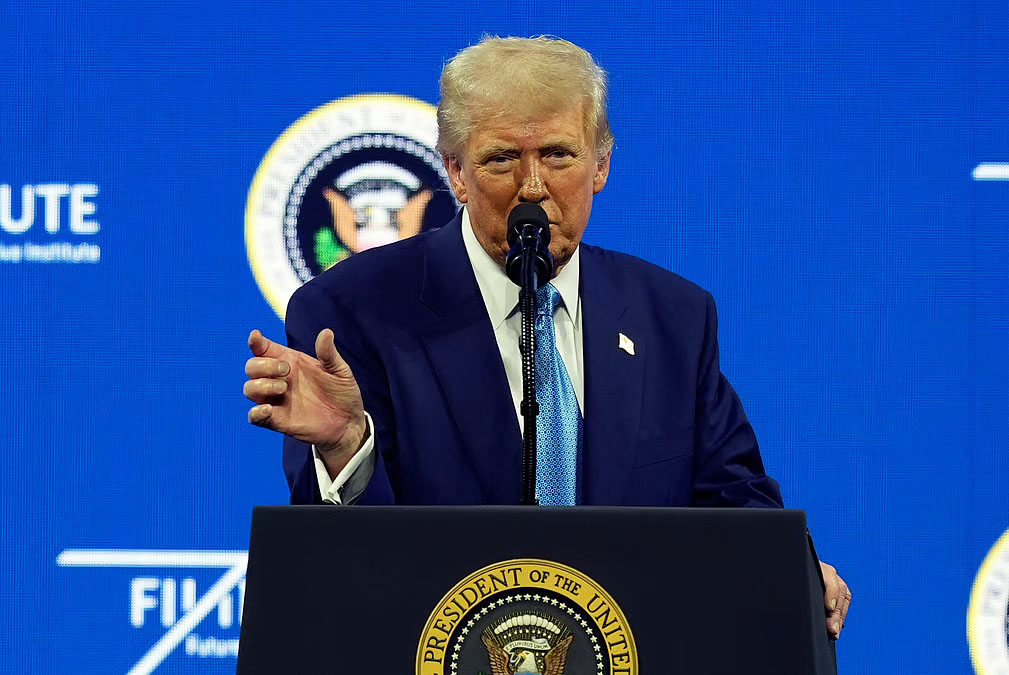
US Secretary of State Marco Rubio warned allies about growing risks to maritime trade through Hormuz and urged stronger cooperation against Iran’s sanctions-evasion networks. President Trump also expressed frustration over what he views as insufficient support from regional partners despite the escalating threat.
A Region Caught Between Deterrence and Diplomacy
The renewed instability in the Gulf highlights how fragile the current ceasefire truly is. While diplomatic channels remain open through backdoor negotiations and regional mediation efforts, mutual distrust continues to undermine meaningful progress. Iran’s demonstrated resilience, combined with America’s expanding sanctions campaign, suggests that neither side currently possesses a clear path to decisive advantage. As energy markets remain volatile and regional tensions deepen, the world may be entering a prolonged phase of strategic uncertainty where limited conflict, economic pressure and uneasy diplomacy coexist dangerously side by side.
(With agency inputs)